Commercial Solar for Logistics Companies
Logistics facilities run some of the most demanding and continuous energy operations in the UK. From 24/7 warehouse lighting and automated sorting lines to refrigeration units, conveyor systems, EV fleet charging, and large-scale distribution processes, electricity demand is high and constant. As energy prices continue to rise and supply chains demand stronger sustainability performance, more operators are turning to Commercial Solar for Logistics Companies to reduce costs, stabilise energy usage, and enhance long-term resilience.
Solar4Good designs high-performance solar PV systems for logistics hubs, warehouses, distribution centres, temperature-controlled facilities and last-mile depots, helping businesses cut energy bills from day one while strengthening compliance with Net Zero and Scope 3 expectations across the supply chain.
Why Are UK Logistics Companies Investing in Commercial Solar?
Save heavy on your power bills
Key Benefits of Solar For Logistics Hubs & Warehouses
Major reductions in warehouse electricity consumption
Ideal alignment between solar generation and daytime distribution activity
Lower carbon emissions across multi-site logistics estates
Increased energy independence and resilience during grid constraints
Enhanced sustainability credentials for procurement and retail partners
Ability to integrate with automation, conveyor lines, and WMS systems
Unlocks SEG income and capital allowance benefits
Commercial Solar for Logistics Companies strengthens business continuity while improving operational efficiency across the entire supply chain.
Save heavy on your power bills
What Are The Typical Commercial Solar Savings for Logistics Sites?
Facility Type
System Size
Annual Savings
Payback (Purchase Model)
Standard warehouse
250–500 kW
£60,000–£120,000
4–6 years
Large distribution centre
1–2 MW
£150,000–£350,000
5–8 years
Cold storage / temperature-controlled site
1–5 MW
£300,000–£900,000+
4–7 years
Temperature-controlled facilities achieve the strongest ROI due to their continuous refrigeration baseload, making Commercial Solar for Logistics Companies one of the most impactful investments available to cold chain operators.
How Does Commercial Solar Reduce Warehouse & Cold Storage Energy Costs?
Logistics operations rely on constant power, lighting, conveyors, refrigeration, automation, charging bays, HVAC and IT infrastructure, all run simultaneously. Solar PV offsets these loads during peak daytime energy use, significantly reducing grid dependency.
Ideal Uses for Solar Power in Logistics Facilities
Warehouse and high-bay lighting
Conveyor systems and automated sorting lines
Temperature-controlled storage and refrigeration
EV charging points for delivery vans and eHGVs
HVAC and ventilation systems
Security, CCTV, and perimeter lighting
Office, control room and WMS (Warehouse Management System) areas
Most logistics sites also have large, structurally suitable roofs or surrounding land, making them ideal for rooftop or ground-mount solar arrays tailored to high-capacity industrial requirements.
Save heavy on your power bills
What Commercial Solar Funding, Capital Allowances & PPAs Are Available for Logistics Companies?
Installing Commercial Solar for Logistics Companies is one of the most financially strategic upgrades a logistics operator can make, and the right funding model ensures maximum impact with minimal disruption.
Ideal Uses for Solar Power in Logistics Facilities
Model
Benefits
Best For
Solar PPA for Logistics Parks
No upfront cost; reduced energy rates from day one
Operators leasing warehouses or managing multi-tenant sites
Capital Purchase
Highest lifetime ROI; full ownership and export payments
Owner-occupied sites and distribution centres
Lease / Finance
Spread costs over time; immediate bill reduction
Medium-sized logistics firms expanding facilities
We also support tenants and landlords navigating green lease clauses, ensuring both parties benefit from on-site generation.
Do Logistics Sites Need Planning Permission for Solar?
Many warehouse rooftops fall under permitted development rights, but planning rules vary depending on the installation type.
Key Planning Requirements for Logistics Solar Arrays
- Rooftop arrays must meet height and roof-edge clearance rules
- Ground-mounted installations may require an environmental assessment
- Lightweight solar solutions may be required for thin-gauge warehouse roofs
- Solar placement should minimise visual impact for road-facing units
- Sites in restricted areas may require additional permissions
When Planning Permission Is Required
You may need planning approval if:
- Installing large ground-mount solar farms near logistics hubs
- Upgrading older warehouse roofs with structural limitations
- Operating in protected zones or alongside major highways
- Adding solar carports or large canopy structures for fleet charging
Solar4Good manages all planning documents, drawings, surveys and DNO applications on your behalf.
Save heavy on your power bills
Why Choose Solar4Good
for Logistics & Distribution Solar Projects?
Solar4Good delivers industrial-grade renewable solutions engineered around the demands of modern logistics, from high-capacity warehouses to temperature-controlled facilities and last-mile depots.
What we Offer:
Commercial solar PV for warehouses, distribution centres & logistics parks
Solar for cold storage and temperature-controlled facilities
Solar battery storage for 24/7 logistics operations
EV charging solutions for delivery vans, LGVs and eHGV fleets
Rooftop, ground-mount and lightweight solar options for industrial roofs
Private-wire solutions for large logistics campuses
Full planning, DNO, design and engineering support
Ongoing monitoring and long-term maintenance
Every system is designed for maximum uptime, operational resilience and long-term cost reduction, ensuring your logistics network benefits from dependable, low-carbon power.
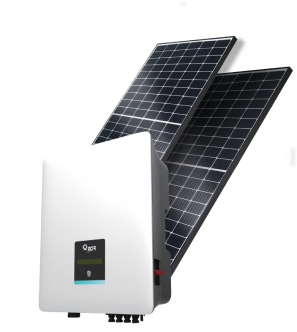
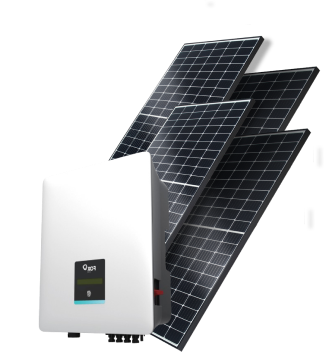
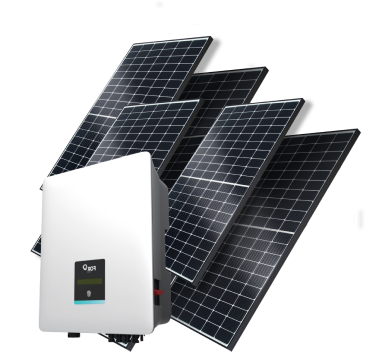
Solar Packages
for Logistics Companies
We install world’s top solar brands
To give you the best solar experience
Featured On
FAQs About Commercial Solar for Logistics Companies
Most modern warehouses in the UK are suitable for solar panels for warehouses, especially those built with lightweight metal profiles.
Yes, cold storage achieves some of the fastest ROI of any logistics operation. Refrigeration is a 24/7 baseload, meaning solar directly offsets the constant electricity demand. Many operators combine solar PV for cold storage with battery storage to keep critical temperature-controlled units running efficiently, even during peak tariff periods.
Absolutely. With logistics fleets moving toward electrification, many depots face grid-capacity limitations. Solar-powered EV fleet charging, combined with battery storage, provides a dependable source of renewable energy for van fleets, last-mile delivery vehicles and eHGV charging infrastructure.

Yes. Many logistics operators use Solar PPAs for logistics parks, green lease agreements, or funded solar solutions to install systems on leased sites. The energy savings benefit the tenant, while the building owner gains improved asset value and stronger ESG credentials.
Yes, many logistics companies combine solar and battery storage to reduce peak tariffs, support overnight operations, and enable reliable depot EV charging.
Yes. Solar energy production and consumption can integrate into facility dashboards and warehouse management systems, giving operations teams better visibility over energy performance, peak loads, charging schedules, and load-shifting opportunities.
Ready to reduce your site’s energy costs, support fleet electrification and strengthen supply-chain sustainability? Solar4Good designs commercial solar systems tailored for UK logistics companies.
Save heavy on your power bills