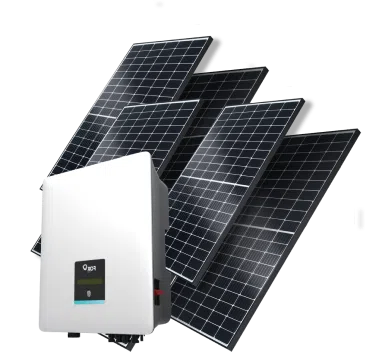
Food businesses run on power that never stops: refrigeration and cold storage around the clock, ovens, processing lines, washdown and ventilation. That heavy, constant load is exactly what solar is built to feed. A busy commercial kitchen cut its electricity bill by 72%.
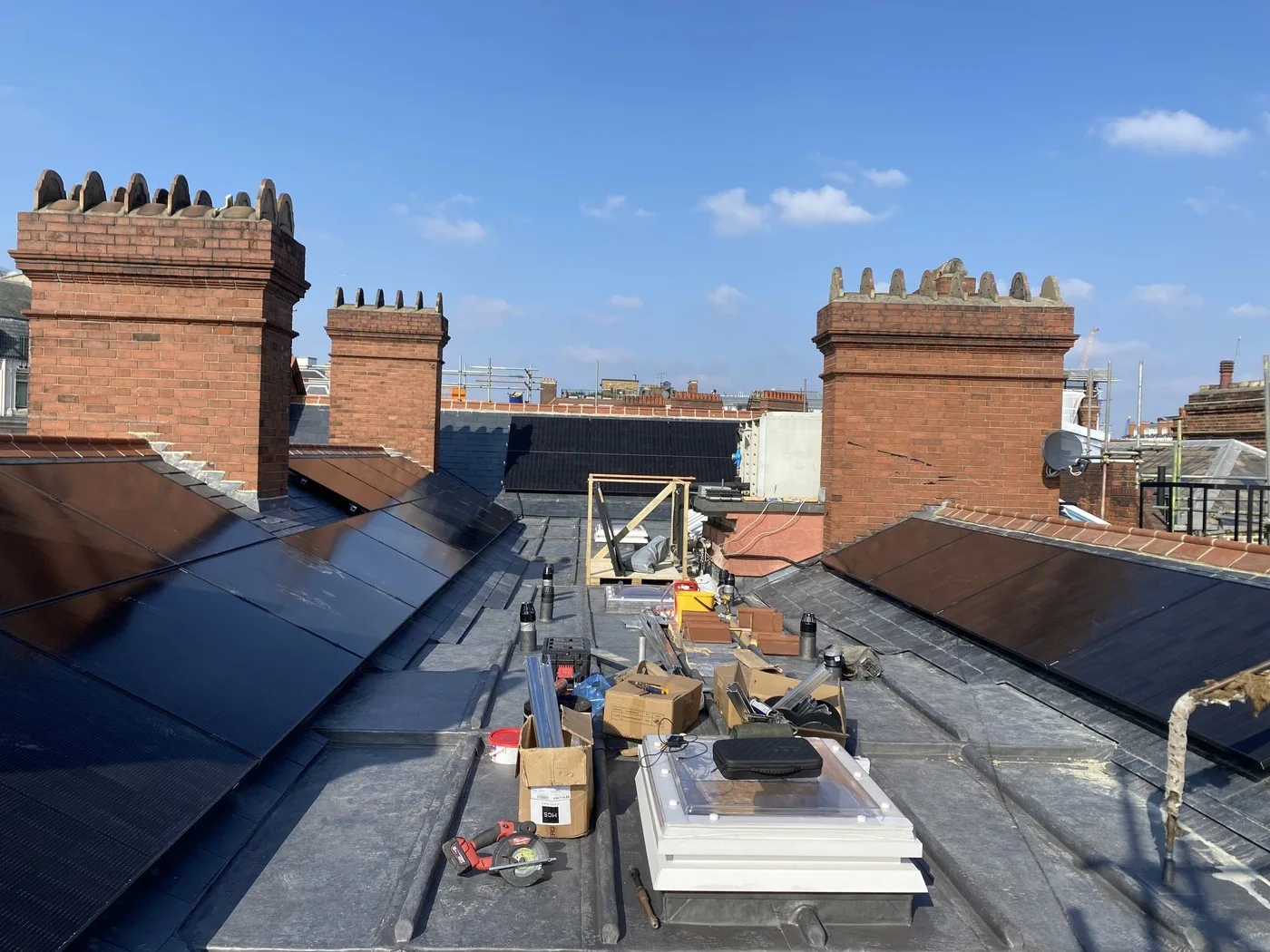
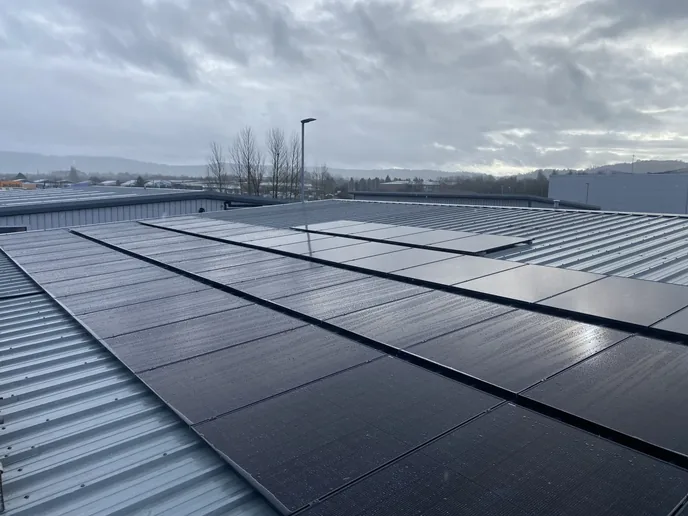
A food business, whether a processor, bakery, cold store, packer, caterer or commercial kitchen, carries one load most industries don't: refrigeration. Chillers and freezers run around the clock to keep product safe, joined by ovens, processing lines, washdown, ventilation and packing. A huge share is pulled in daylight, and the cold chain never stops. That heavy, constant demand is exactly what rooftop solar is best at feeding, so most of what you generate goes straight into the process, not cheaply back to the grid.
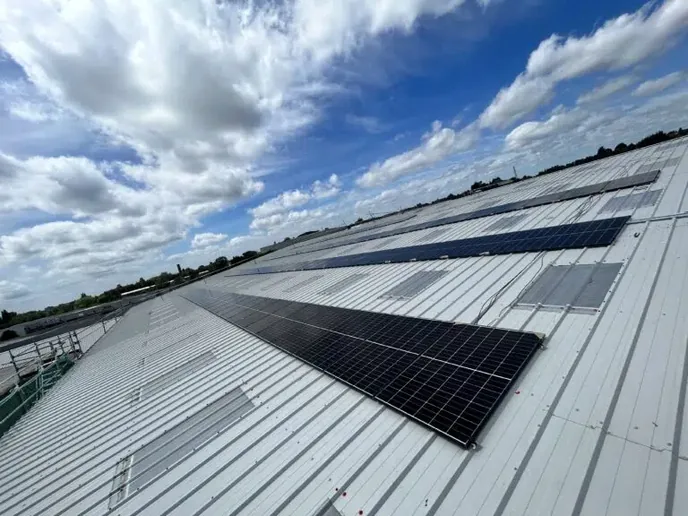
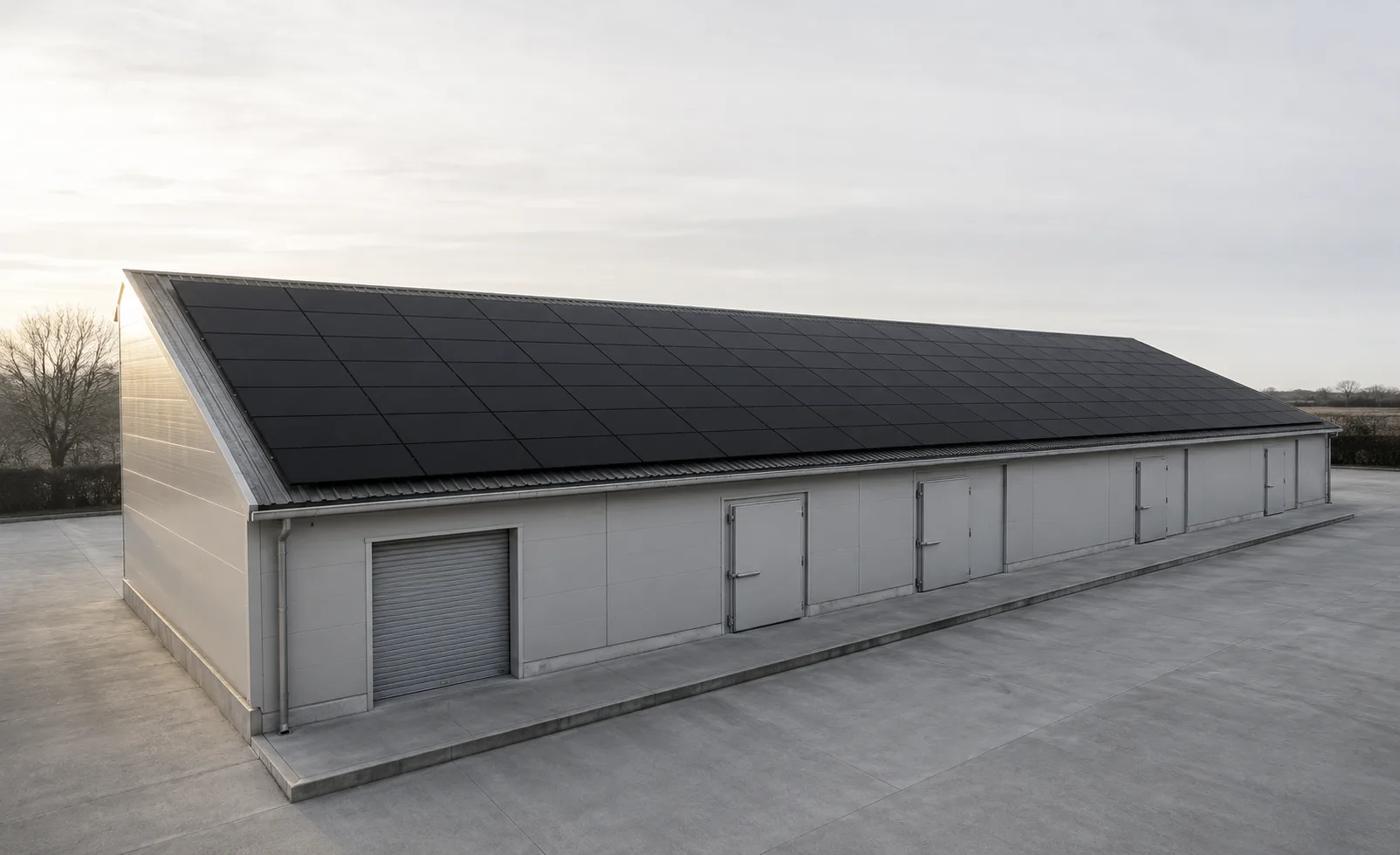
Food sites also tend to have large, flat roofs sitting over that load, the ideal solar site. Pairing panels with battery storage matters more here than almost anywhere: keep refrigeration and cold storage running through a grid event and you protect stock that would otherwise be lost. On a food site, resilience isn't a nice-to-have, it's product you can't afford to spoil.
Energy is a direct cost of goods for a food business, so cutting it drops straight to margin. Solar turns a rising, volatile bill into a fixed, low-carbon asset with a payback a finance director can sign off, typically five to six years, then decades of savings. Qualifying commercial solar can be written down against tax, and grant support exists for some sites. That clean, renewable energy cuts your energy bills and operating costs off grid electricity, and lifts both your sustainability and your environmental footprint.
It also answers the questions your buyers now ask. Retailers and foodservice customers score suppliers on carbon and ESG, and supply-chain transparency is increasingly a condition of the contract. Visible, evidenced on-site generation is a straight answer for an ESG report, a retailer audit or a customer's net-zero target, and a brand story worth telling.
We don't deal in vague promises. Here is exactly what solar did for a busy hospitality kitchen running ovens, pumps and refrigeration long hours, the kind of numbers we will model for your food site before you commit.
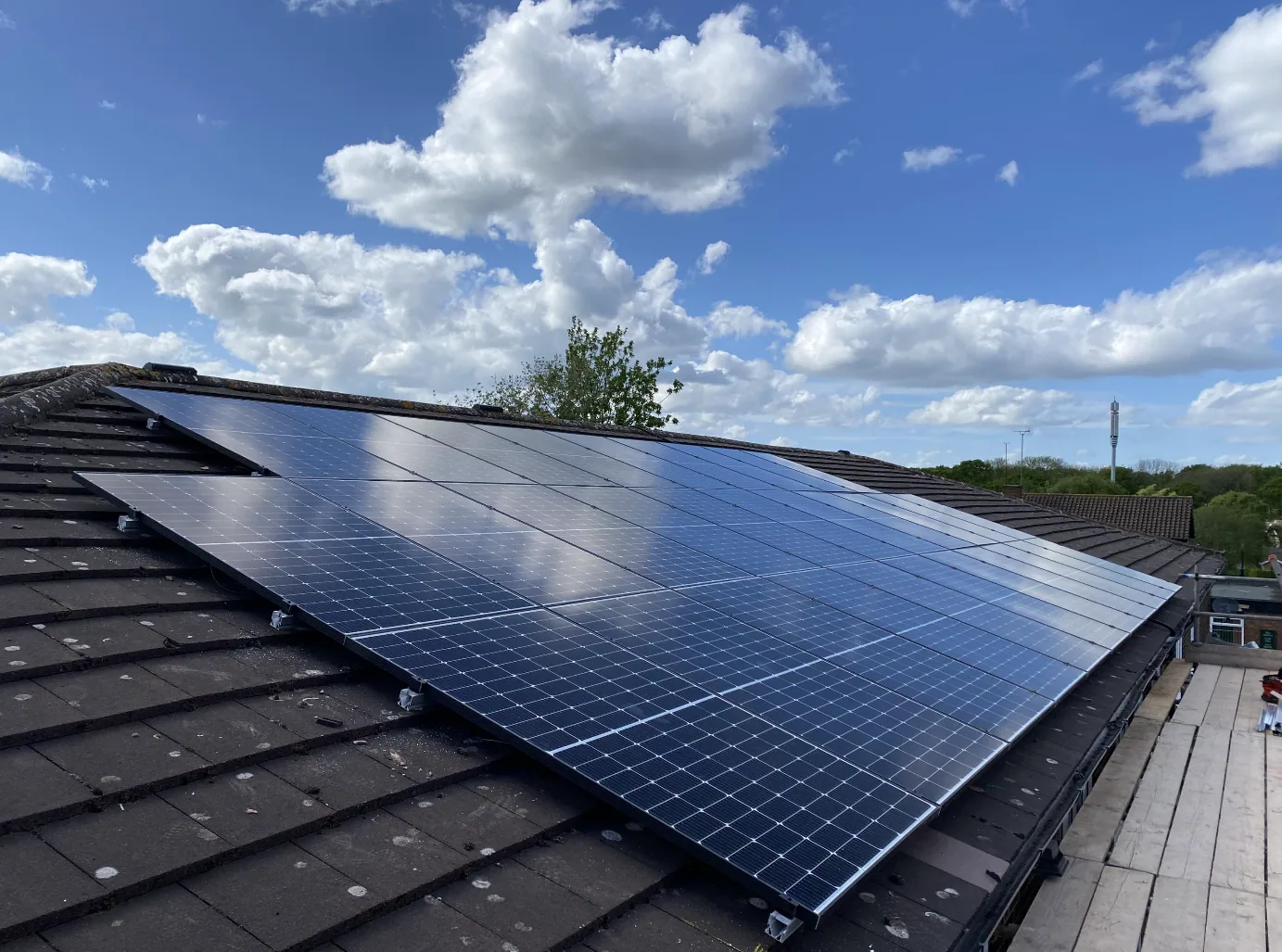
A pub, hotel and kitchen running long hours cut its electricity bill by 72%, keeping that money to run the ovens, pumps and cold storage. We put those numbers in front of them before they signed, not after.
SDistribution51.6 kWp
AIndustrial70%bill cut
ORetail68%bill cut
RServices67%bill cut
JConstruction60%bill cut
FHealthcare67%bill cutA starting point, not a straitjacket. Every real system is sized to your roof, your load and your payback target after a proper site visit.


A commercial solar installation on a working food site is a different job from a home system. One team, in-house, from first site visit to switch-on, and we plan the work around your shifts so the line keeps running.
The questions food processors, cold stores and kitchens actually ask before committing to commercial solar.
It doesn't have to. Almost all of the work happens on the roof, away from the floor, processing lines and cold storage. We plan around your shifts and hygiene requirements, isolate only what we must and only when agreed, and never put the cold chain at risk. Zero disruption to production is the target we plan to hit.
It covers a large share of it. Because your chillers, freezers and lines pull power in the daytime when the panels are generating, most of the solar is used on site. Pair it with battery storage and you push that further, using daytime solar to run cold storage into the evening and through a grid event.
Every site and load is different, so we size and price it to your roof and how you use power, then show you what it gives back. A busy commercial kitchen's 13.8 kWp system cut its bill by 72%. You get the same honest projection first.
Because a food site runs a heavy load around the clock, most of the solar is used on site, which makes the return strong, typically five to six years, then decades of generation under a 25-year panel warranty. We model your exact figures so you can take a real number to your board.
Yes. Retailers and foodservice customers increasingly score suppliers on carbon and supply-chain transparency. Visible, metered on-site generation is a straight, evidenced answer for an ESG report, a retailer audit or a customer's net-zero target.
Yes. A larger food-site system needs approval from your Distribution Network Operator, and we manage that application and all certification for you, so you get a signed-off, compliant system without the paperwork.
“George the sales chap was straightforward and honest, and the whole installation team were awesome, courteous and professional throughout.”
“From start to finish the whole job has been seamless. The install guys were polite, knowledgeable and efficient.”
“I wholeheartedly recommend this company for solar and battery storage installation.”
Solar for food industries sits inside our wider commercial work. If you are comparing sectors, or your group runs more than one type of site, these are the closest neighbours.
Commercial solar, the full guide →The full guide: sizing, funding, planning and payback, designed and commissioned in-house.
Manufacturing unitsHigh, steady daytime load is what makes production sites pay back fastest.
Hotels and resortsCut operating cost without disrupting guests, floor by floor.
Commercial case studies →Real installations across care homes, surgeries, hotels, retailers and mills.Tell us about your site and we'll model it properly: the right system for your roof, how much of your load it covers, the cut to your bill and the payback. Real numbers, before you commit to anything.