Paper mills operate some of the most energy-intensive production lines in the country. From continuous pulping and refining to large-scale drying, pressing, and water treatment systems, electricity consumption is both constant and costly. As wholesale energy prices fluctuate and supply-chain partners increasingly demand low-carbon manufacturing, many operators are turning to commercial solar for paper mills to stabilise long-term costs and improve sustainability performance.
The UK pulp and paper sector faces a perfect storm of high energy demand, rising electricity costs, and mounting environmental expectations. Solar offers a long-term, dependable solution that reduces exposure to price volatility while strengthening Net Zero strategies.
Reduce your energy bills with efficient solar solutions.
By investing in commercial solar for paper mills, operators protect margins while meeting the decarbonisation targets expected across modern manufacturing.
Large facilities with available land or reservoirs see the highest returns, especially when integrating ground-mounted solar farms or floating PV solutions.
| Mill type | System size | Annual savings range | Expected payback |
|---|---|---|---|
| Medium-scale mill | 500 kW – 1 MW | £120,000–£250,000 | 4–7 years |
| Large mill | 1 MW – 3 MW | £300,000–£750,000 | 5–8 years |
| Multi-site / open-land opportunity | 3 MW – 10 MW+ | £800,000–£2m+ | 6–9 years |
Paper mills rely on high-load equipment that operates continuously. Solar generation aligns perfectly with daytime manufacturing cycles, reducing grid dependency during peak hours.
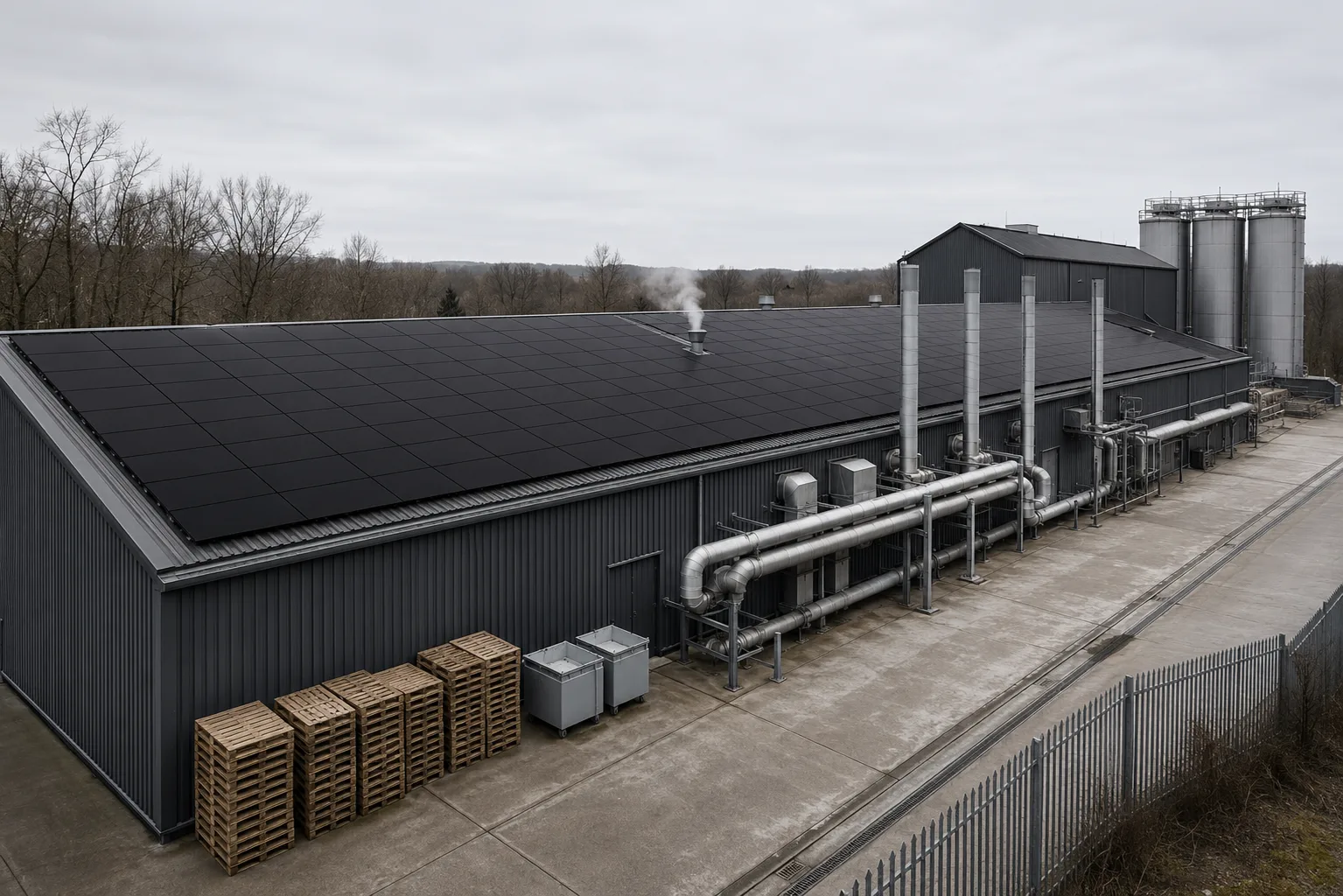
Because mills typically have extensive rooftops, open land, and water assets, commercial solar for paper mills can be deployed across multiple areas without interrupting production.
Industrial solar becomes even more cost-effective when paired with the right funding structure. Paper mills can choose between capex and opex-friendly models depending on cash flow, sustainability commitments, and long-term operational planning.
| Model | Benefits | Best for |
|---|---|---|
| Corporate PPA for Paper Mills | Zero upfront cost; predictable long-term energy rate | Large mills seeking multi-megawatt installations |
| Lease / Finance | Spread cost over time; retain ownership | Medium-sized manufacturers modernising infrastructure |
| Capital Purchase | Maximum lifetime savings; full asset ownership; export income | Mills with available capex budgets |
Solar4Good also supports mills exploring IETF funding, energy audits, and ESOS-aligned decarbonisation planning.
Many rooftop industrial solar arrays fall under permitted development rules. However, larger installations such as ground-mount farms and floating solar systems often require additional approvals.
Planning permission is typically needed for multi-megawatt ground-mounted solar farms, for floating solar installations on large reservoirs, for mills in protected or sensitive environmental areas, and when installing structures that alter a building’s external appearance.
Solar4Good manages every step, from drawings and DNO applications to environmental submissions and full planning support.
Solar4Good specialises in designing and delivering large-scale solar PV systems for heavy industry, including pulp and paper, packaging production, and energy-intensive manufacturing.
Every system we build is optimised for maximum uptime, industrial efficiency, and long-term cost stability, ensuring your mill benefits from every kilowatt produced.
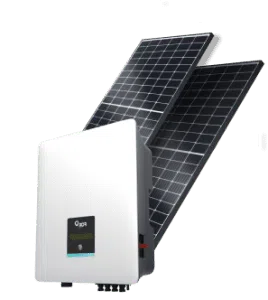
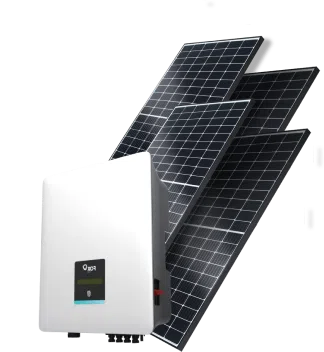
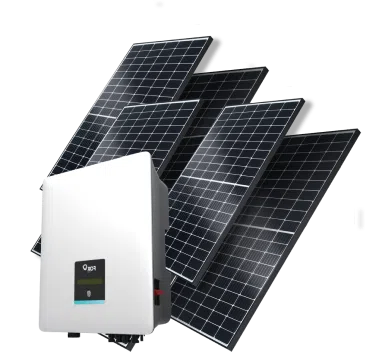
Pick your perfect package. Mill-scale systems are sized well beyond these starting points, and every real system is designed after a site assessment.


Installing solar panels for your facility should not be complicated. Solar4Good manages everything from consultation to installation, ensuring your system is designed for reliable performance and long-term savings.
The questions commercial buyers ask before putting solar on the roof.
Mills are among the strongest cases in UK industry, because the load is heavy and runs through the day. Commercial solar for paper mills offsets daytime demand directly rather than exporting it, which is where the return comes from.
That depends on roof area, available land and the shape of your load. Rooftop alone rarely covers a continuous pulping or drying load; mills with open ground or reservoirs can go considerably further using ground-mount or floating arrays. We size it against your own half-hourly data.
Mills generally choose between a corporate PPA, lease or finance, and capital purchase, set out in the funding table above. We also support mills exploring IETF funding, energy audits and ESOS-aligned decarbonisation planning.
Yes. Most of the work is on roofs, open land or water assets rather than in the machine hall, and access, timings and isolations are agreed in advance so the line keeps running.
Panels carry a 25-year warranty as standard and are expected to keep producing beyond it. Inverters are usually replaced once in that period, which we plan for at design stage.
“George the sales chap was straightforward and honest, and the whole installation team were awesome, courteous and professional throughout.”
“From start to finish the whole job has been seamless. The install guys were polite, knowledgeable and efficient.”
“I wholeheartedly recommend this company for solar and battery storage installation.”
Paper mills sit alongside our other heavy-load industrial work. If you run more than one kind of site, these are the closest neighbours.
Start hereCosts, funding routes, planning and payback for UK commercial solar, in one place.
Read the guide →
SectorThe same continuous process load, at sites without the water assets.
See the page →
SectorStorage and distribution buildings across an industrial estate.
See the page →
SectorRefrigeration and processing, another heavy round-the-clock electrical load.
See the page →Ready to reinforce energy security, cut industrial power costs, and support long-term decarbonisation? Request a tailored proposal for your mill. Solar4Good designs large-scale renewable energy solutions specifically for the UK pulp and paper sector.