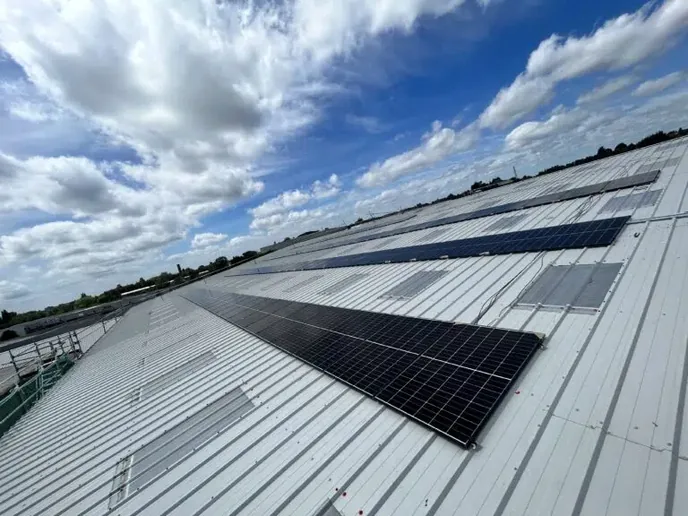
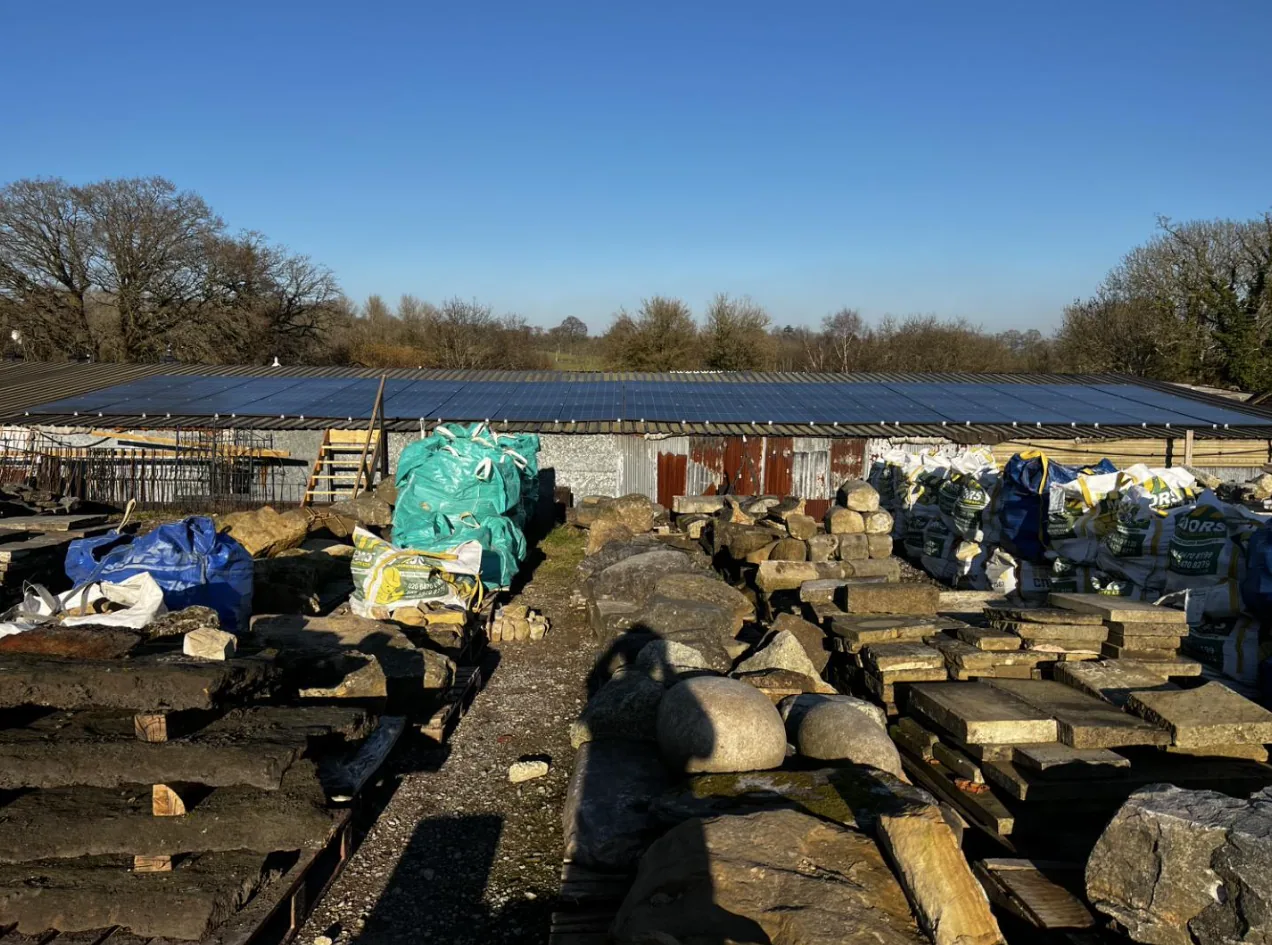
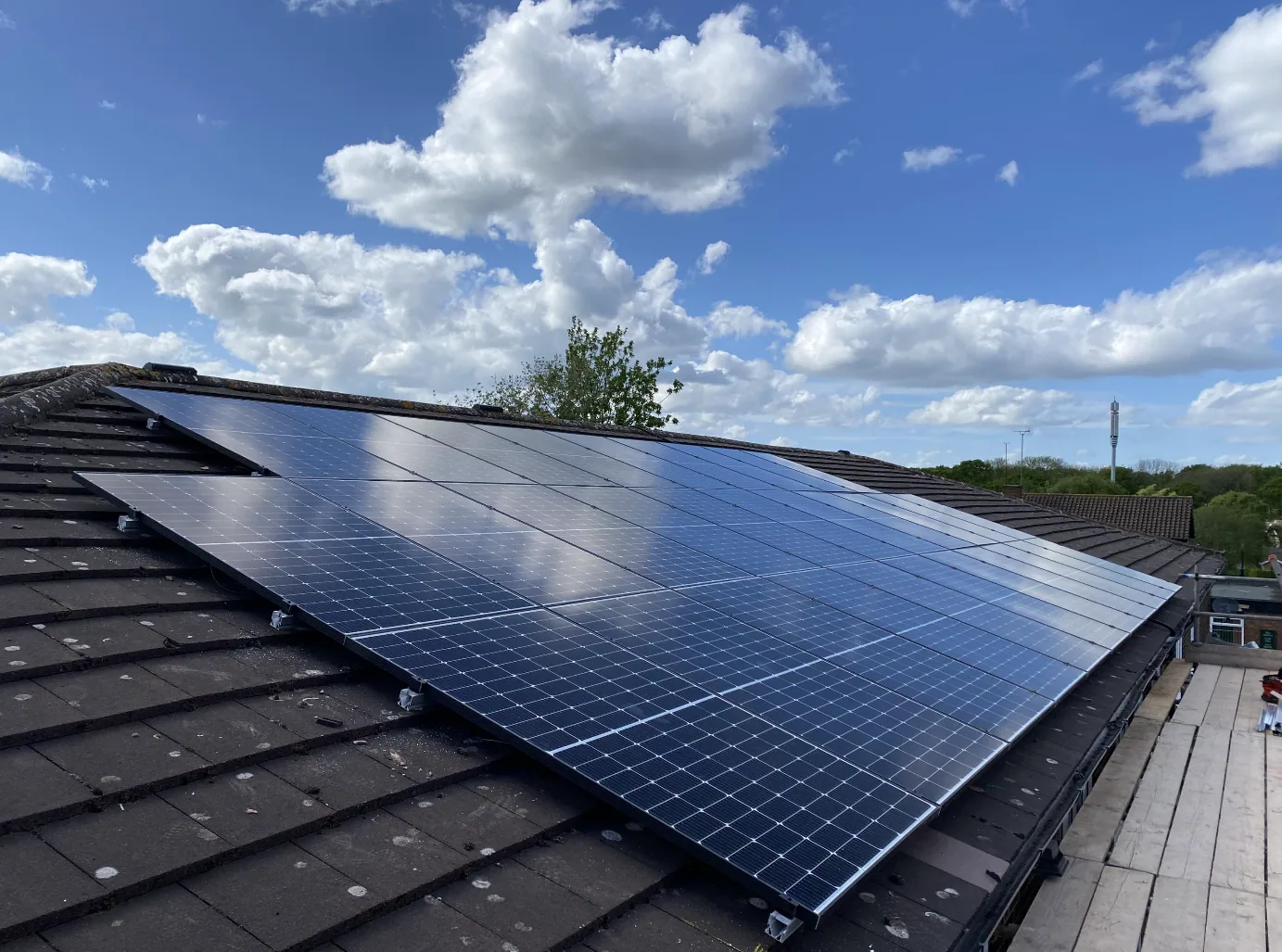
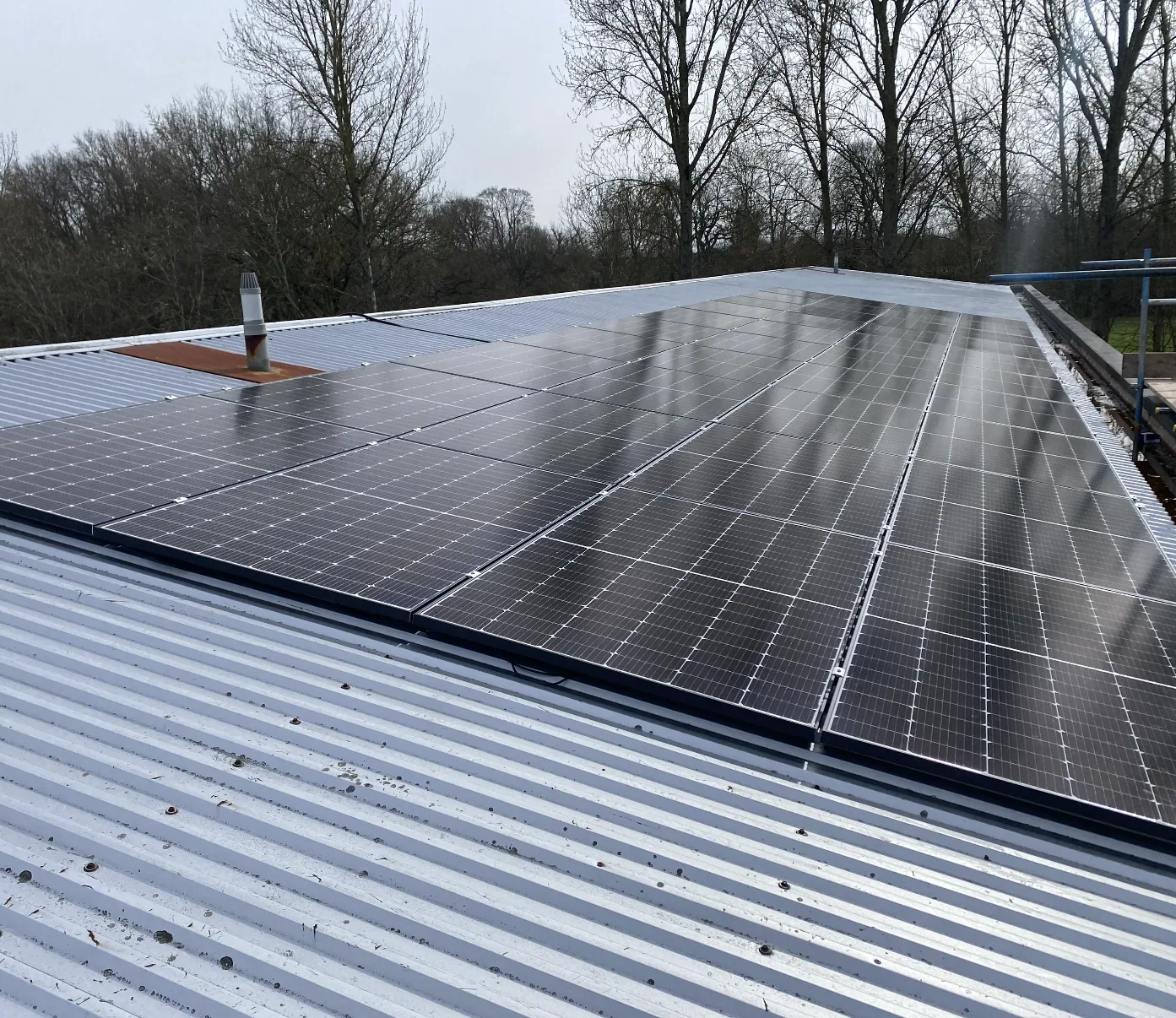
A place of worship runs on a tight budget, and every pound handed to the energy company is a pound that can't serve the congregation. Solar changes that. The Sacred Heart Church cut its bill by 62%, freeing £6,200 a year, and a busy Brent mosque is on track to keep £136,000 in the community over the life of its system.
Solar for a religious place is different: a church, mosque, temple or gurdwara isn't run for profit, it's run for people. So an energy bill is money taken straight from the mission: from outreach, maintenance, staff and the services the community depends on. Places of worship also carry a real, steady load, heating a large hall, lighting, sound, kitchens and community rooms, much of it in daylight. That makes a roof of solar panels a quietly perfect fit: you generate power when the building is used and cut a bill that only ever rises.
The numbers are real. The Sacred Heart Church was paying north of £10,000 a year; solar took that to about £3,800 and freed £6,200 for the community. A Brent mosque now makes around 70% of its own power. Whatever the faith or the building, the case is the same: less to the grid, more to the people you serve.
Faith communities plan in decades, and so does solar: a system installed today generates for 25 years or more, on a payback of roughly six to seven years, then it's close to free power. For a charity or a place of worship, funding routes exist that other businesses don't have, and pairing panels with battery storage keeps the lights, heating and sound on through a grid event, so a service is never interrupted. That renewable energy cuts the building's energy bills and carbon footprint, powers EV charging, and is a sustainable, environmental choice the community can be proud of.
It's also a statement. Caring for creation, stewardship of resources, responsibility to the next generation, these are values at the heart of most faiths, and visible rooftop solar makes them real. It's a decision a congregation can be proud of, and one that pays them back every year.
We don't deal in vague promises. Here is exactly what solar did for a busy Brent mosque, the kind of numbers we will model for your building before you commit to anything.
A busy Cricklewood mosque now makes most of its own power and is on track to keep £136,000 in the community over the life of its system, money that used to go to the energy company and now serves the people it is built for. We put those numbers in front of them before they signed, not after.
SDistribution51.6 kWp
AIndustrial70%bill cut
ORetail68%bill cut
RServices67%bill cut
JConstruction60%bill cut
FHealthcare67%bill cutA starting point, not a straitjacket. Every real system is sized to your roof, your load and your payback target after a proper site visit.


A solar installation on a place of worship is a different job from a home system. One team, in-house, from first site visit to switch-on, and we plan the work around your shifts so services carry on.
Reduce your energy bills with efficient solar solutions.
Quote meSolar4Good actively supports temples in accessing these funding sources, providing guidance on grants and rebates.
Solar4Good ensures transparency and results-driven outcomes for clients, with performance tracking across the life of the system.
The questions trustees and committees actually ask before putting solar on a place of worship.
Often, yes, though listed buildings need care and the right consents. We assess the roof, its structure and any heritage constraints as part of the site visit, design a discreet layout, and tell you honestly what is and isn't possible before anything is ordered. Many churches, mosques and temples have roofs that take panels without any visible impact from the ground.
Every building is different, so we size and price it to your roof and how you use power, then show you what it gives back. The Sacred Heart Church cut a £10,000+ bill by 62%. As a charity or place of worship you may also have access to grants and funding routes other businesses don't, and we'll point you to what typically applies.
It doesn't have to. Almost all of the work happens on the roof, away from the worship space. We plan around your service times, festivals and community use, isolate only what we must and only when agreed, and keep the building running. Zero disruption to services is the target we plan to hit.
A well-sized system typically pays back in six to seven years, then generates for decades under a 25-year panel warranty. A Brent mosque is on track to keep £136,000 over the life of its system. We model your exact figures so you can take a real number to your committee.
Paired with battery storage, yes, for essential load. Lighting, heating and sound can carry a service through a grid event on stored solar. We design the system around what your community cannot afford to lose.
Yes. A larger system needs approval from your Distribution Network Operator, and we manage that application and all certification for you, so you get a signed-off, compliant system without the paperwork.
Often, yes. Under a Solar Power Purchase Agreement (PPA), through a vetted finance partner, a third party funds, owns and maintains the system on your roof, and the congregation simply buys the clean power it generates at an agreed rate, usually below the grid price, with no capital outlay. For a church, mosque, temple or gurdwara with limited reserves, a PPA is a way to start saving from day one and keep every panel working without touching restricted funds. Where you would rather own the system outright, we help with grants and the paperwork instead.
“George the sales chap was straightforward and honest, and the whole installation team were awesome, courteous and professional throughout.”
“From start to finish the whole job has been seamless. The install guys were polite, knowledgeable and efficient.”
“I wholeheartedly recommend this company for solar and battery storage installation.”
Solar for places of worship sits inside our wider commercial work. If you are comparing sectors, or your group runs more than one type of site, these are the closest neighbours.
Commercial solar, the full guide →The full guide: sizing, funding, planning and payback, designed and commissioned in-house.
SchoolsCut energy costs and free up budget, with PSDS and Salix funding routes.
Local councilsPSDS, Salix and PPA-funded solar across social housing and council estates.
Commercial case studies →Real installations across care homes, surgeries, hotels, retailers and mills.Tell us about your site and we'll model it properly: the right system for your roof, how much of your load it covers, the cut to your bill and the payback. Real numbers, before you commit to anything.