Most organisations exploring solar for Exeter are trying to solve a practical problem: electricity costs that keep rising and are increasingly hard to predict. For many businesses, energy has become a material operating expense, particularly during working hours when grid prices are highest.
Exeter has a strong mix of offices, education facilities, retail spaces, hospitality venues, and light industrial sites, which is why solar for Exeter businesses needs to be planned around how sites actually operate. In practice, many commercial buildings use most of their power during working hours, which is when solar is generating. That part is straightforward. Where things usually go wrong is when the system doesn’t line up with how the site actually runs day to day.
That’s where we spend our time. We look at how electricity is being used, what the roof can realistically take, and whether the setup still works if the business changes later on. From there, the job is to put a system in place that fits the site and gets out of the way once it’s running.
Our Solar Solutions
Commercial buildings use energy differently from homes. Power demand is typically highest during the working day, which aligns closely with when solar generation peaks. Our solutions are designed to take advantage of that overlap, reducing reliance on grid electricity when it’s most expensive.
Residential Solar PV
We also design solar panels for home use across Exeter. Residential systems are planned around household usage patterns, roof constraints, and long-term savings.
Commercial Solar PV
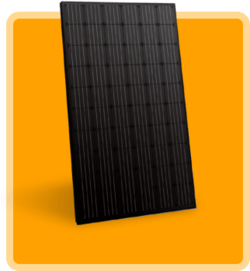
Commercial solar panels are most effective when they’re designed around how a site actually runs. Offices, retailers, education facilities, and hospitality businesses tend to consume electricity steadily throughout the day, allowing a large proportion of solar generation to be used on site. We design systems to prioritise direct use rather than oversizing installations that don’t deliver practical value.
Battery Storage
Battery storage can be useful for certain commercial sites, particularly where peak demand charges apply or where operations extend beyond daylight hours. We’ll assess whether storage adds real value now, or whether it’s better introduced later as energy needs change.
EV Charging
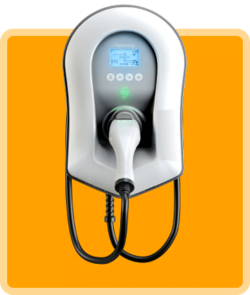
Workplace and fleet EV charging has very different requirements to domestic setups. We install chargers for offices, commercial car parks, and fleet use, and where solar is installed, we look at how much charging can realistically be supported by on-site generation.
How Does Solar Benefit Businesses in Exeter?
Installing solar for Exeter businesses is primarily a financial decision. The South West benefits from strong light levels across the year, allowing modern systems to generate consistent output even when conditions aren’t perfect.
At a local level, Exeter City Council has been pushing solar as part of its wider Liveable Exeter and net-zero programme. Solar PV has already been installed on council assets, including civic buildings, leisure facilities, and cultural sites such as the Royal Albert Memorial Museum, with a focus on reducing operating costs alongside carbon emissions. These projects aren’t about headline numbers, they’re about lowering long-term energy spend on buildings that run year-round.
That same logic applies to many Exeter businesses. Offices, education sites, retail units, and hospitality venues tend to use most of their electricity during the day, which lines up closely with solar generation. Well-designed commercial solar installations allow a large share of that energy to be used on site, reducing exposure to peak grid prices. Any excess can still be exported through the Smart Export Guarantee (SEG), and eligible organisations may be able to offset upfront costs using the Annual Investment Allowance (AIA).
So what does solar usually mean for Exeter businesses?
Lower operating costs through on-site generation
More predictable energy spend
Reduced exposure to future price rises
A system that can expand later with batteries or EV charging
Our Solar Savings Calculator can give a realistic estimate based on your site and usage profile.
What’s the Average Cost of Commercial Solar in Exeter?
The cost of a commercial solar system in Exeter depends less on headline system size and more on how the building operates. Roof layout, access, structural capacity, and when electricity is used during the day all influence system design and overall return.
The figures below give a realistic starting point for common commercial system sizes. Final costs are always confirmed after a site assessment and review of usage data.
System Size
Average Cost
Estimated Annual Savings
Payback Period
10kW
£11,500–£14,500
£1,200–£1,500
6–7 years
25kW
£20,000–£26,000
£3,000–£3,800
5–6 years
50kW+
£35,000+
£6,000+
4–6 years
We provide tailored quotes for commercial solar panels and commercial solar installations, based on how your Exeter site actually uses energy.
Why Choose Solar4Good for Commercial Solar Installation in Exeter?
Commercial solar projects usually succeed or fail on the details. Things like when a building is occupied, how electricity is used through the day, and how easy the site is to work on all affect whether a system performs as expected. That’s what we focus on from the start.
Designed for commercial operations We design commercial solar panels around how a site runs day to day. That means looking at operating hours, peaks in demand, and how much of the generated power can realistically be used on site.
Built for long-term performance We tend to favour equipment that’s known to hold up over time. The goal is a system that keeps doing its job quietly year after year, not one that looks impressive on a spreadsheet and disappoints later.
Experience across commercial property types Commercial sites vary a lot. An office block, a shop, and a hospitality venue all come with different access, usage, and practical limits. We’ve worked across that mix in and around Exeter, and systems are planned with those differences in mind.
Clear financial and technical guidance Costs, savings, and payback are discussed early and in plain terms. If something isn’t likely to work well for a particular site, we’ll point it out rather than pushing it through.
For most businesses, the hardest part of going solar isn’t the technology; it’s knowing where to start and how much time it’s going to take. Our approach isn’t complicated, but it is deliberate. Commercial solar works best when decisions are made early and the rest of the process follows logically. Most of the work happens before anything is installed, which helps avoid surprises later on.
We start with a conversation about how the site runs. That usually covers when the building is occupied, when electricity use is highest, and what prompted the move toward solar in the first place.
2.
System Design
From there, the system is designed around what we’ve learned. We look at actual usage data, roof layout, access, and any limits that could affect installation or output.
3.
Installation
Installation is organised around the site itself. Access, timings, and any constraints are agreed beforehand, and the work is carried out in a way that lets the business keep running as normally as possible.
4.
Testing & handover
Once the system is up, it’s checked and switched on properly. We go through what’s been installed, what you should expect to see, and how the system behaves once it’s running.
5.
Ongoing support
After installation, you’re not left guessing. We’re available if questions come up, if performance needs checking, or if the system needs adjusting later on as things change.
Why Warranty and Certification Matter for Commercial Solar
A commercial solar installation isn’t a short-term upgrade; it’s an asset that’s expected to perform reliably for decades. That makes standards, certification, and consumer protection just as important as panel output or system size. The accreditations below exist to make sure systems are installed correctly, finance is handled transparently, and businesses are protected if something doesn’t go to plan later on.
FCA Regulated
Where finance is part of your solar setup, it’s handled under Financial Conduct Authority regulation. That means clear terms, transparent paperwork, and repayment options explained properly, no loose ends or unclear commitments. Verify on FCA Register
MCS Certified
Every system we install meets Microgeneration Certification Scheme standards. This not only ensures safe, compliant installation but also keeps your system eligible for Smart Export Guarantee (SEG) payments. Verify on TrustMark
ISO Accredited
Our installation and quality management processes are independently assessed through International Organisation for Standardisation accreditation. In simple terms, it means consistent standards from one Brighton installation to the next, not just internal promises. Verify on UKAS
Consumer Protection
Membership with Home Insulation & Energy Systems (HIES) adds an extra layer of protection. This includes insurance-backed guarantees and independent checks on performance estimates, giving peace of mind long after installation.
Get a Quote for Commercial Solar Installation in Exeter
Request a free, no-obligation quote today. We design and deliver commercial solar installations across Exeter, tailored to how your business actually operates.
Areas We Cover Beyond Brighton
We don’t only install commercial solar in Exeter. Solar4Good delivers commercial solar projects for businesses across the UK, working with a range of sites and sectors while keeping the process straightforward and consistent.
1. Is commercial solar viable for smaller premises or single-site businesses?
Yes. Many smaller offices, retail units, and hospitality sites benefit from commercial systems sized to match their actual daytime usage rather than maximum roof capacity.
2. How is commercial solar installed without disrupting operations?
Installations are planned around site access, working hours, and health and safety requirements. For most businesses, disruption is minimal and scheduled in advance.
3. Can a commercial solar system be expanded if the business grows?
In most cases, yes. Systems can often be designed with future expansion in mind, whether that’s additional panels, battery storage, or EV charging.
4. How is performance monitored after installation?
Commercial systems include monitoring tools that allow you to track generation and usage. We also provide support if performance ever needs reviewing or optimising.
5. Who do we contact if something changes or needs attention?
You deal directly with us. We provide ongoing technical support, advice on upgrades, and help if your site usage or requirements change over time.
Get your quote
Free quote. No pressure. Takes 30 seconds.
Step 2 of 2
A few more details to prepare your quote
Helps our team prep before your call. Takes 15 seconds.