


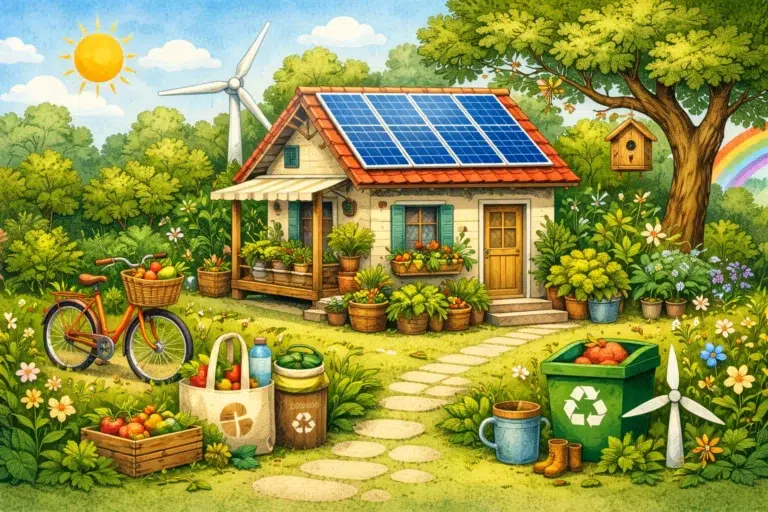

1. Consider Solar Panels
Let’s kick things off with nature’s gold, the sun. Harnessing the sun’s energy is one of the most effective and, honestly, best ways to reduce your carbon footprint. Solar panels are a dream because they can produce an impressive amount, if not all of your household electricity needs, depending on your system size. Think about it, they take what’s free and create a resource you’d have to pay for on a normal day, so you get to be gentle to the earth and even gentler to your pockets.
2. Install Smart Thermostats

As seasons change, so do our desires for temperatures that combat nature’s default settings, so it’s only natural that heating and cooling are typically the largest contributors to household energy consumption. A smart thermostat can learn your schedule, like an attentive P.A. and adjust temperatures automatically, so you’re not heating an empty house or overcooling in the summer. Some models even allow you to control your heating remotely via smartphone apps, meaning you can make sure your home uses energy only when necessary (now that’s innovation at work).
For homeowners with solar panels, smart thermostats can be programmed to operate during peak solar production hours, maximising self-consumption and reducing reliance on the grid. Over time, this can lead to noticeable reductions in both energy bills and greenhouse gas emissions. So you’ll stay cool in the summer and look even cooler to the planet.
3. Seal, Insulate, and Upgrade Your Home
Ever tried to fill a bucket with holes with water? Impossible right? Instead, you end up wasting a whole lot of that water, and that applies to the energy use in your home. Even small gaps in doors, windows, and roofs can cause major energy loss. Now, what happens when you give the bucket a little TLC? It fills up pretty quickly! Same thing happens when you apply proper sealing and insulation; it keeps warm air in during winter and hot air out during summer, which means your heating and cooling systems don’t have to work overtime.
4. Switch to LED and Smart Lighting
This is one for the books because it’s been highlighted many times over the years. One of the simplest and most effective ways to reduce your energy use is to upgrade your lighting (funny how that’s also the difference between a good picture and a great one). LED bulbs consume up to 80% less energy than traditional incandescent bulbs and last way longer.
5. Use Public Transport and Carpool
Owning a car is a lovely thing, those morning drives to the office or dropping the kids off at school would be dull without some car karaoke and maybe a few honks at other drivers, but what if we told you that transportation is a major contributor to carbon emissions? Luckily, we know just how to help you reduce those emissions while getting you a standing ovation for that Leona Lewis solo; switching to public transport or participating in carpooling can significantly reduce your personal impact (besides, what’s car karaoke without an audience?).
6. Switch to Electric or Hybrid Vehicles
Much like how AI is no longer just on Chat GPT, Electric and hybrid vehicles (EVs and PHEVs) are becoming a thing everywhere in the world, and their environmental benefits are hard to beat. These babies don’t produce pesky tailpipe emissions, they shut down fossil fuel dependence, and pair beautifully with renewable energy sources like solar panels. They’re the new kid on the block, and they’re here to stay.
If you charge your EV at home using solar power, you can dramatically lower your carbon footprint while enjoying the convenience of clean, quiet transportation. With government incentives and rebates available in many areas, making the switch is often easier than people realise.
7. Walk or Bike Whenever Possible
This one hits many birds with one stone while also keeping you young at heart. When we were younger, the idea of riding our bikes anywhere was exciting, and so was walking because it meant getting to see so many things we miss when we’re in a car; channel that feeling by walking or biking for short trips. This simple change reduces fuel consumption, cuts greenhouse gas emissions, and provides health benefits, too.
Replacing even a few car trips per week with cycling or walking can accumulate into a meaningful reduction in your personal carbon footprint over the year. Combining active travel with renewable energy at home means you’re tackling sustainability both on the move and in your household energy use.
8. Eat More Plant-Based Meals
Our vegan readers might just jump for joy on this one, because this is the ideal “we told you so!” moment. Turns out reducing your meat and dairy intake is one of the most impactful dietary changes you can make for the environment. Yup! Plant-based meals require far fewer resources to produce, and eating more vegetables, grains, and legumes can significantly reduce your household’s carbon footprint. So, stop skipping the vegan burgers and pizza, give it a go and see how you help the planet by eating better. Even one or two plant-based meals per week adds up over time. With 2025 bringing an increasing variety of plant-based alternatives (including at some of our favourite fast food joints), it’s easier than ever to experiment with meals that are both delicious and eco-friendly.
9. Buy Local and Seasonal Produce
Did you know that supporting local farmers and markets reduces the energy used in transporting food long distances (now that’s a cool way to adopt eco-friendly practices)? Turns out seasonal produce also requires less energy to grow, as it typically thrives without a lot of heating, lighting, or even transportation. This makes sense because if it’s in season, that means nature already produces the perfect environment for this produce to grow. By choosing local and seasonal fruits and vegetables, you also help support local communities.
10. Reduce Food Waste
Food waste isn’t frowned upon only due to the hunger crises anymore; this is a hidden contributor to environmental damage. When food ends up in a landfill, it produces methane, a potent greenhouse gas (this makes sense considering that awful smell it has when it starts to rot). If you practice simple habits like meal planning (no, this is not only for TIKTOK aesthetics), proper storage, and composting, you can help reduce waste and maybe channel your inner chef.
11. Adopt a Zero-Waste Approach
A zero-waste lifestyle may sound intimidating, but even small steps can make a difference once you get into it. Go for reusable shopping bags, steer clear of single-use plastics, and opt for products with minimal packaging. These habits reduce the amount of waste you generate over time, lower your landfill contributions, and help protect natural habitats.
12. Recycle and Upcycle
We’ve all heard and perhaps even sang the words “Reduce, reuse and recycle”, and they’ve never been truer. Recycling is only part of the solution; upcycling is where creativity meets sustainability, like thrifting. Channel your inner fashionista and give old clothes, furniture, or containers a facelift instead of tossing them out (that old curtain could make a stunning couch cover if you use it right). Recycling acts like a bouncer at a club; it keeps harmful materials from ending up in landfills or oceans (the VIP section), while upcycling is the fairy godmother who extends the life of items and reduces the demand for new resources long after midnight. Both these strategies are the yin to renewable energy adoption’s yang, as they contribute to an overall lifestyle of conscious consumption.
13. Choose Eco-Friendly Products
Every purchase you make is like a vote for the kind of world you live in (if you don’t want the other party to win, you’ll vote as much as you can). Fill the ballot with eco-certified products whenever possible, whether that’s cleaning supplies, electronics, or furniture. Look for items that are biodegradable, sustainably sourced, or made from recycled materials.
14. Install Low-Flow Fixtures
Water is a precious resource, and conserving it is as important as keeping the air we breathe clean. Using low-flow taps, showerheads, and toilets reduces water consumption without sacrificing comfort. These small changes lower water bills, reduce the energy needed to heat water, and ensure your household uses resources efficiently. Integrating water-saving devices with solar-powered heating systems creates a home that’s both energy- and water-efficient.
15. Harvest Rainwater

Rainwater is the best kind of water, because it’s free. Collecting rainwater is an easy way to reduce reliance on mains water for outdoor use. Use barrels or tanks to store rainwater for gardening, cleaning, or even toilet flushing. When paired with drought-resistant landscaping, it ensures your home is sustainable in every way, from energy to water.
16. Create a Water-Efficient Garden
If you fancy yourself a green thumb, plant-loving individual, then this one’s for you! Here’s a friendly tip; choose plants that need minimal watering, like those that don’t mind going dry for a while or native species that are very much accustomed to the area. You can also group your plants with those that have similar water needs and use mulch to retain moisture. Water-smart gardening reduces your environmental impact, saves money, and ensures your garden thrives without excessive water consumption. You can go green and avoid drowning your plant babies.
17. Use Eco-Friendly Cleaning Products
Many conventional cleaning products contain harsh chemicals that are harmful to the environment and your darling skin. Opt for eco-friendly, biodegradable cleaning products, or make your own using ingredients like vinegar, baking soda, and lemon.
18. Practice Digital Minimalism
Think about it, the first thing most of us do when we open our eyes is look for that rectangle-shaped device that holds our lives together; so, why wouldn’t our gadgets use energy? Minimise their impact by reducing unnecessary digital clutter, unsubscribing from unneeded emails, and limiting streaming or cloud storage where possible.
19. Make Sustainable Fashion Choices
Fast fashion, although very popular, is a major contributor to environmental pollution. Buying from ethical brands, shopping second-hand, or upcycling old clothes helps reduce textile waste. Additionally, proper clothing care, like washing in cold water, line drying, and repairing rather than discarding, extends garment life. A sustainable wardrobe complements.
20. Get Involved in Community Initiatives
Finally, teamwork makes the dream work! Or in this case, eco-friendly living extends beyond you and your home. Be a team player and support local environmental groups, volunteer for clean-ups, and advocate for sustainability policies. By engaging with your community, you not only help the environment but also inspire others to take action.