

Choosing the Best Solar Panel Mounting Solutions for UK Homes

How are solar panels attached to roofs? Are there any risks involved in falling? Will the setup damage my tiles or slate roof? What if I have a flat roof or no roof at all?
Table of Contents
When most people start exploring home solar panels, the first thing they picture is a row of sleek black panels catching the sunlight, not the sturdy framework that holds them in place. But here’s the thing: that framework matters just as much as the panels themselves. A proper mounting setup doesn’t just make your system look good; it keeps everything secure, protects your roof, and helps your panels work efficiently through all kinds of UK weather, from windy winters to drizzly springs.
Across the UK, homes are anything but standard. Some have tiled roofs, others have slate, and many modern builds now have flat or metal roofs. That means there’s no “one-size-fits-all” approach when installing household solar panels. What’s perfect for a suburban semi in Manchester might not suit a countryside cottage in Devon.
This guide breaks it down simply. We’ll cover the most common mounting options, explain how roof types affect installation, and share what to think about before setting up home solar panels: Whether you’re just researching or ready to buy solar panel for home use, knowing your mounting options helps you make a confident, long-term choice.
TLDR (Summary)
If you’re short on time, here’s the quick version:
Choosing the right mounting system for your household solar panels is just as important as the panels themselves. The type of roof you have, whether it’s tiled, slate, flat, or metal, makes a big difference to how your system’s installed and how long it lasts.
Flat and ground-mounted options work brilliantly if your roof isn’t ideal, and with the UK’s weather, a good setup means better protection and performance all year round.
The bottom line? A quality installation keeps your home solar panels secure, efficient, and ready to power your home for decades, rain or shine.
Why Does Mounting Matter?
If you’ve ever wondered what actually keeps your home solar panels in place, you’re not alone. Most homeowners never really see the mounting hardware. It sits beneath the panels, quietly doing its job for 25 years or more.
But get it wrong, and the whole system suffers. Poor mounting can lead to roof damage, water leaks, panel instability in high winds, or inefficient placement that limits generation.
In the UK, where roof types and weather conditions vary widely, the mounting system isn’t an afterthought; it’s the foundation that makes everything else possible.
What Are the Most Common Mounting Systems in the UK?
Before you buy solar panels for home use, it’s good to know that there are a few different ways to install them. Each has its strengths depending on your roof and property type:
Mounting Type
On-Roof Mounting
Panels fixed above existing tiles or slates
Most UK pitched roofs
In-Roof Mounting
Panels integrated into the roofline itself
New builds or re-roofing projects
Flat Roof Mounting
Tilted frames weighted down or secured on flat roofs
Extensions, garages, commercial
Ground Mounting
Free-standing systems fixed to frames on land
Rural properties, large gardens
Each has pros and cons, and not all are suitable for every home. A good installer doesn’t just look at your panels, they assess your roof structure, exposure, and access before recommending a mount.
How Does Your Roof's Shape Affect Solar Panel Mounting?
UK homes come with all kinds of roof types, and each needs a slightly different approach when fitting solar panels for homes.
1. Tiled Roofs (concrete or clay)
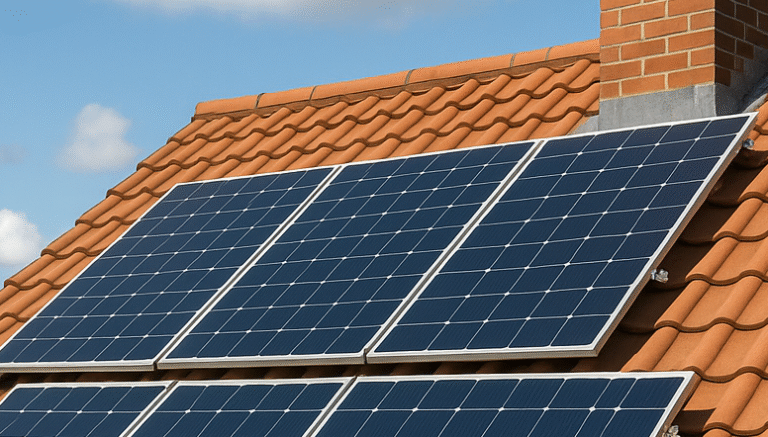
Most homes in the UK have these. Mounting brackets are tucked under the tiles, with no damage to the waterproofing layer beneath. Once installed, the panels sit just above the tiles, with good airflow and a tidy finish.
2. Slate Roofs
Slate is trickier and more delicate. Installers often use special hooks designed to avoid cracking the slate. It takes more time and skill, but it’s common in older properties, especially in Wales and northern England.
3. Metal Roofs (standing seam or corrugated)
Some rural homes, barns, or garden buildings use metal roofing. Panels can be attached using seam clamps, avoiding penetration. Fast and very secure, but less common in domestic homes.
4. Flat Roofs
You don’t need a pitched roof to go solar. On flat roofs, angled frames lift the panels up to catch the sun. These can be weighted with ballast or fixed into structural beams (especially for windier zones like coastal Scotland or exposed rooftops).
Ready to go Solar ?
Ground-Mounted Solar: When the Roof Isn’t Right
Not every home has the perfect roof. Trees, chimneys, awkward angles—it’s not always worth forcing a roof-mounted system to fit.
If you’ve got garden space, a ground-mounted system can be a game-changer. Panels are set into steel or aluminium frames, usually tilted to face south. You get total control over orientation, spacing, and future expansion.
These are ideal for:
- Off-grid or remote homes
- Farms or larger plots
- Roofs with too much shade or poor pitch
Plus, ground systems are often easier to maintain, no ladders required.
What Considerations Should You Make for Weather, Wind & Planning?
In the UK, the weather isn’t just a side note; it’s a design factor.
Wind Loading
Installers use regional wind maps to ensure your system can handle local gusts. In Cornwall or coastal Yorkshire, for example, mounts are reinforced and anchored more securely than in sheltered city areas.
Snow and Rain Run-Off
Even in winter, panels need proper tilt and spacing to let snow melt or heavy rain drain. Mounting brackets create airflow that helps avoid damp patches beneath the system.
Planning Permission
In most cases, solar doesn’t need planning. But certain mounting solutions (especially on flat roofs or grounds) may trigger local review, especially in conservation areas or AONBs (Areas of Outstanding Natural Beauty).
A professional installer will check this for you before anything goes ahead.
Installation Quality vs Mounting Hardware: What’s The Difference?
It’s not just the equipment, it’s how it’s fitted.
Even the best mounting brackets can fail if poorly installed. That’s why reputable MCS-certified installers in the UK don’t just pick the right system—they back it with expert fixing, sealing, and testing.
A few quality signs to look for:
- Weatherproof flashings around tile brackets
- Neat, even spacing between panels
- Correct wind deflectors for flat roofs
- No visible damage to tiles, slates, or felt
- Full technical report with fixing details
Choosing the right mounting solution isn’t about what looks best on paper; it’s about what works best with your roof, your lifestyle, and your long-term energy goals. From subtle fixes on slate to angled frames on flat roofs, there’s no one-size-fits-all answer. That’s why a good installer starts with your structure, not just your panels.
Ready to go Solar ?
Bottom Line:
Your home solar panels deserve a solid foundation, and your roof deserves care. The right mounting system brings both together, supporting your panels quietly and reliably for decades. Whether you’re comparing quotes or ready to buy solar panel for home use, make sure your installer understands your roof type and local weather. It’s the small details that make the biggest difference.
Final Thoughts
Getting solar panels for home use is one of the smartest upgrades you can make, not just for your wallet, but for the planet. And while panels often steal the spotlight, it’s the mounting system that ensures they perform well and stay secure year after year.
At Solar4Good, we’ve helped hundreds of UK homeowners choose mounting solutions that fit their roofs, budgets, and goals. From the first site check to the final installation, we keep things clear and stress-free.
If you’re thinking about installing home solar panels in the UK or just want honest advice about what will work best for your property, reach out to the Solar4Good team. We’ll help you plan a setup that’s strong, efficient, and built to last, so you can enjoy the full benefits of solar energy for years to come.
FAQs
Not if installed properly. Systems are designed to work with UK roofing types, and brackets go under tiles, not through them. Your installer should guarantee no roof compromise.
Technically yes, but output will be lower. East/west split systems are often a better alternative. Mounting may allow creative layout to improve performance.
Not always. Many are weighted down with ballast like paving slabs. But windy areas may require anchors to structural elements for safety.
It’s possible during re-roofing but not ideal for retrofitting on aged roofs. On-roof systems are less disruptive for existing homes.
25–30 years, often longer. Most are aluminium or galvanised steel—built to withstand UK weather year-round.

About the author -
Manan Shah
Leader without Title, Solar4Good
London, United Kingdom
Manan helps homeowners and businesses understand solar with clear, honest advice rooted in real-world experience. He has led national solar education seminars and spoken at major events including Everything Electric Show and The Care Show.