Inspection, testing, a written report
Solar System Health Checks & Performance Testing
Your solar panel system is designed to generate clean energy for years, but even the best setups can lose efficiency over time.
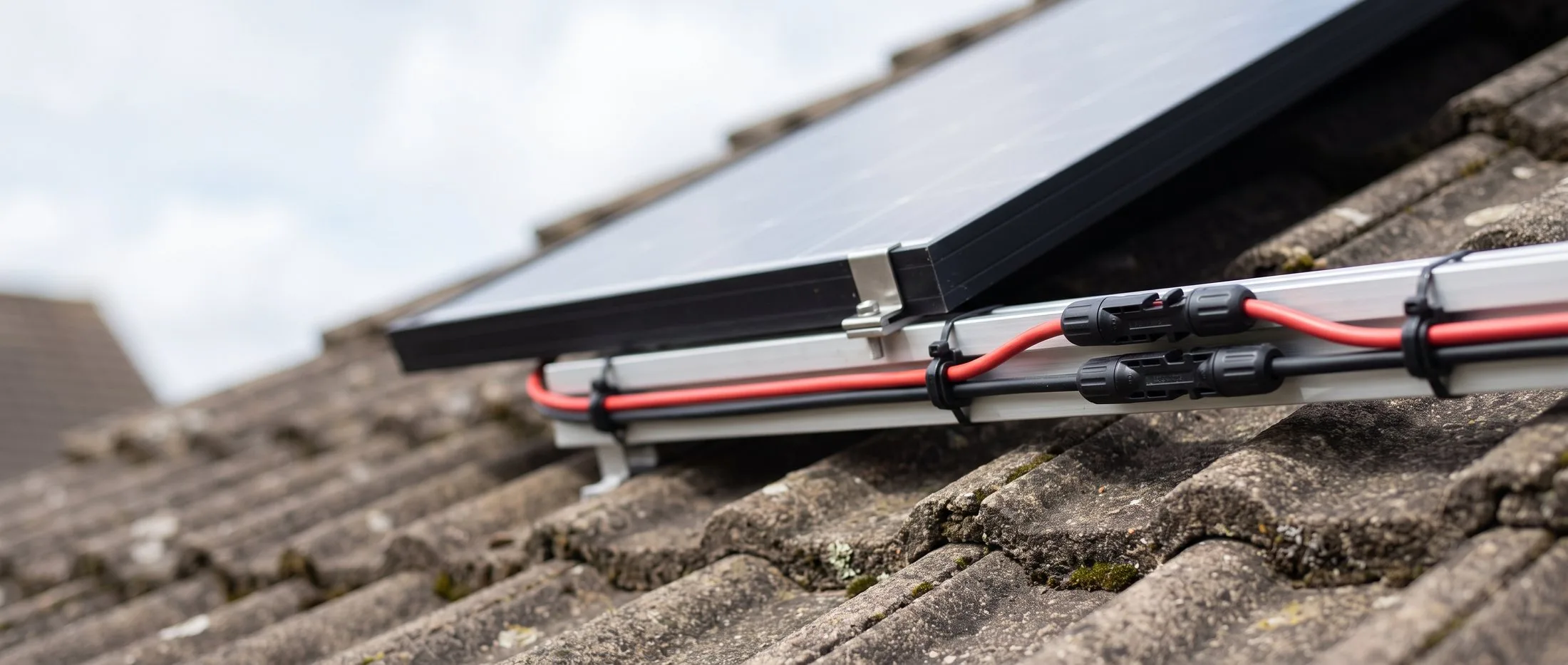
Your solar panel system is designed to generate clean energy for years, but even the best setups can lose efficiency over time.
If your system's output has dropped, you may be losing out on savings without even realizing it.
Our professional solar system inspection service identifies problems early, before they lead to costly repairs or lower energy generation. From dust buildup to inverter issues, Solar4Good makes sure your system is performing as it should.
Routine solar panel checks are essential for long-term performance and return on investment. Without periodic assessments, hidden issues can reduce output and shorten the system's lifespan.
Our solar panel performance testing provides a detailed assessment of your system's functionality, ensuring peak performance.
Visual & Structural Inspection Identifying cracks, discolouration, or panel delamination. Checking for physical damage from weather or external factors.
Electrical System & Inverter Testing Ensuring the inverter converts energy efficiently. Checking wiring, fuses, and breakers for faults.
Solar PV Performance Testing Measuring actual vs. expected energy output. Using thermal imaging to detect hotspots or cell failures. Assessing voltage and current levels for efficiency.
Shading & Soiling Analysis Identifying obstructions that reduce sunlight exposure. Evaluating panel cleanliness and recommending maintenance solutions.
Our solar performance testing service includes a full system evaluation. We inspect every component to ensure optimal output and safety.
We commonly detect:
We follow industry-standard solar panel performance and testing criterias. These testing parameters provide a complete understanding of your system's efficiency.
Measures actual output vs expected capacity
Indicates how heat impacts energy generation
Evaluates the panel's electrical condition
Ensures inverters are extracting the highest possible power from your panels
When it comes to solar system diagnostics, homeowners trust Solar4Good for reliable service and expert insights.
What sets us apart:
Our goal is to help you maximize performance, lower energy costs, and protect your long-term solar investment.
Whether it's been years since your last check or you're noticing unusual patterns, book your solar health check with Solar4Good today. Contact us now to schedule your solar panel inspection and performance test, and ensure your system is running at its full potential.
“The work was done by Frederick who was really good and finished in a day. He showed me how to use the app to see the solar coming in. Fast, reliable and an excellent job.”
“Fantastic service. Contacted them in late November, panels fitted and running by early January. Quick to respond, polite and friendly.”
“Great service. Professional, knowledgeable team who installed panels and a battery. Very helpful with the wiring route. Looks exactly as I hoped.”
Common questions about checking a solar system, and what a professional test adds.
Start with the inverter, because that is where a dead system usually shows itself. A green status light and a rising generation figure mean the array is producing. If your monitoring app shows generation tracking the weather across the day, the system is broadly healthy. What this will not tell you is whether one panel or one string has quietly dropped out, because the total can still look plausible while you lose a slice of output.
Your inverter display or monitoring portal gives daily and lifetime kWh. Compare a bright day this month against the same month last year rather than against a summer peak, since output is seasonal by design. A healthy system loses only a fraction of a percent a year, so a noticeable year-on-year drop on comparable days is a fault rather than age.
Open-circuit voltage and short-circuit current are the two readings, taken at the panel or string in daylight and compared against the values on the module label. It is a genuine test, but it means working on a live DC circuit, usually at height, and a healthy reading at the panel does not rule out a fault further down the string. It is the part of the job we would rather you left to us.
Once a year suits most domestic systems, and more often where there are trees, heavy soiling, coastal salt or a commercial array where downtime is expensive. If your system has never been checked and it is more than a few years old, that first inspection is usually the one that finds something.
A visual and structural inspection for cracks, discolouration and delamination, electrical testing of the inverter, wiring, fuses and breakers, performance testing that measures actual output against expected including thermal imaging for hotspots, and a shading and soiling assessment. You get a written report with the faults found and what we recommend doing about them.
Common signs are a red or amber status light, a fault code on the display, output that stops in the middle of the day and returns later, or a system that produces nothing at all while the panels themselves are fine. Note the exact code before switching anything off, because it tells us whether we are looking at a grid fault, an insulation fault or hardware failure.
It should support it. Some manufacturers require periodic maintenance to keep a warranty valid, and a documented inspection is evidence that the system has been looked after. A health check also identifies faults that are still inside a warranty period, which is often the difference between a free part and a paid one.
Yes. A large share of the systems we test were fitted by someone else, including installers who are no longer trading. We do not need to have installed it to measure it, report on it and take it on for future servicing.
Or tell us what your system is doing and we will book a health check that measures it properly.
Get your free quote