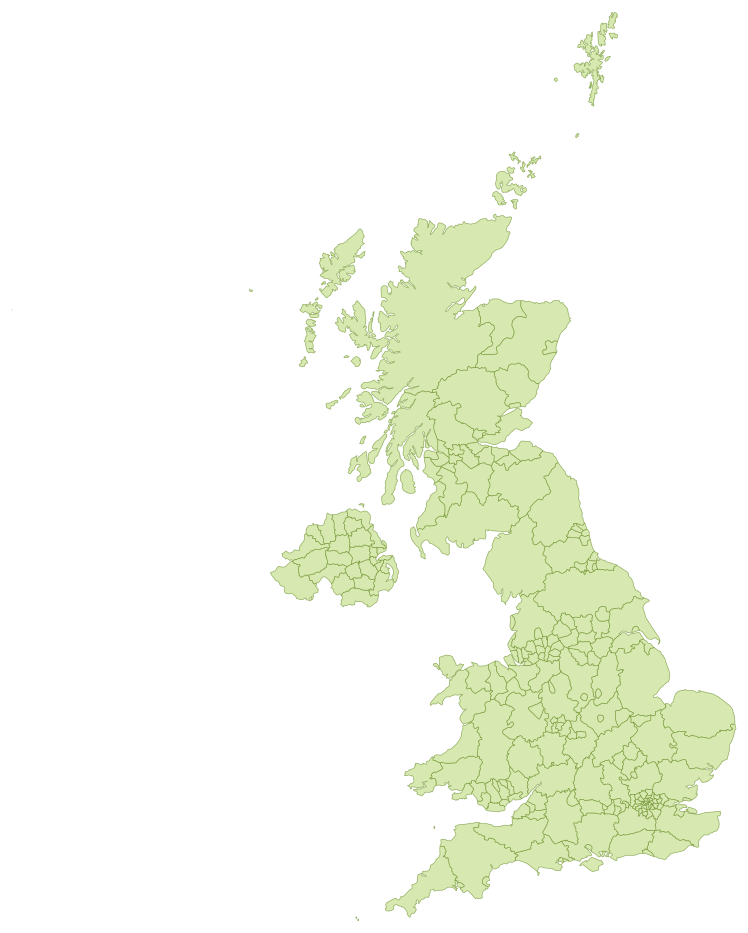
 Inverness
Our MCS-certified install teams
Expert Solar Panel Installers in
Inverness
★★★★★ 4.9MCS-certified1,000+ reviewscovering all of Inverness
InvernessLooking for trusted solar panel installers in Inverness? Looking for solar panels in Inverness? Solar4Good installs solar, battery storage and EV charging across Inverness under our own MCS registration. From a compact solar and battery retrofit to a full system, we handle the design, the DNO paperwork and the install, sized to your roof, so you deal with a local Inverness solar team, not a national call centre.
Four things decide it. Most homes pass on all four, and the one people worry about most is rarely the problem.
The question we are asked most, and the one people get wrong. Due south is best, but in Inverness an east-facing roof still returns about 80% of a south-facing one and west about 80%. South-east and south-west are within 6%. A roof that is not south facing is usually still worth doing.
A 4kW system needs roughly 9 panels and about 18 square metres of usable roof. Panels can be split across two faces where one is not big enough, which is common on terraces and on houses with a rear extension.
A chimney, a dormer or a neighbour's tree costs more than people expect, because shade on one panel used to drag down the whole string. Panel-level optimisers or microinverters fix that, and the survey is where we work out whether you need them.
We check age, covering and structure before anything else. If a roof needs work in the next few years, it is cheaper to do it before the panels go on, and we will say so rather than fit around it.
Businesses across Inverness, from offices and warehouses to retail units, cut running costs and carbon with commercial solar. We handle solar panel installation Inverness companies can rely on, from the design and DNO paperwork through to commissioning, sized to your roof and demand.
Store the power you generate and charge your car on sunshine. We fit home and commercial battery storage, a matched inverter and a home EV charger across Inverness.
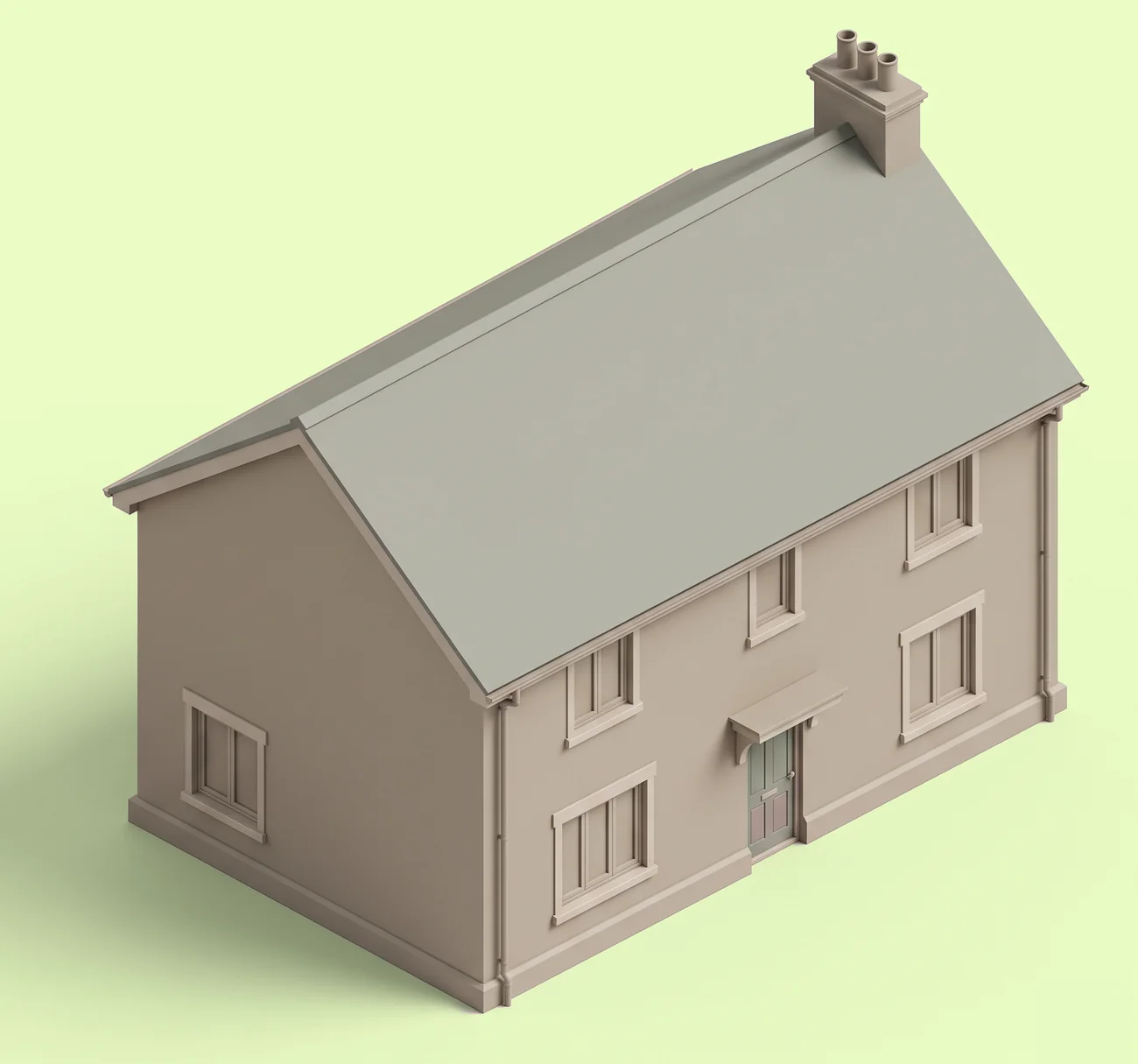
No, and the gap is smaller than most people expect. In the UK the sun sits in the southern sky, which is why a south-facing roof is the 100% case and every other direction is measured against it. Modelled for Inverness.
Each figure is that orientation’s own annual output in Inverness. The compass turns with the house, so the reading is for the way it is facing. Tap any of the five to hold it.
PVGIS (EU Joint Research Centre), 4kW system at a 35 degree pitch. An east or west facing roof in Inverness still returns around four fifths of a south-facing one, which is usually the difference between worth doing and not.
Start with the one figure you already know off your bill. What comes back is what we actually quote a home that uses that much, and what it would make in Inverness.
5,000kWh
It starts at 5,000 kWh, the middle of the 1,700+ quotes we hold a usage figure for. The mark shows IV: a median of 12,000 kWh across 6 quotes.
What we typically quote a home like that
13panels6.2 kW
Modelled to make 4,897 kWh a year in Inverness, against the 5,000 kWh you use. Solar covers the daylight hours; the grid still carries the rest, which is the gap a battery narrows.
| System | Panels | Generation a year | Typically suits |
|---|---|---|---|
| 3kWp | 6 panels | 2,354 kWh | Smaller homes, or a roof with one usable face |
| 4kWp | 8 panels | 3,139 kWh | Around the size we fit most often |
| 6kWp | 13 panels | 4,709 kWh | Larger homes, or a household with an EV |
| 8kWp | 17 panels | 6,278 kWh | High usage, an EV and a heat pump |
Generation from PVGIS (EU Joint Research Centre), 35 degree pitch, due south. The size we suggest is the median we quote homes in your usage band, across the 1,700+ of those quotes where we also hold the system size, not a rule of thumb: real quoting is much flatter than usage, because roof space caps the top of it. Panels at 480W, the AIKO module in most of our quotes; the 470W DMEGC needs one more for the same output. The table models whole kWp sizes, so its panel counts are the nearest module. What you save depends on your tariff and how much you use during daylight, which is what the free assessment works out. We will not put a figure on it before we have seen your bill.
A 4kW system, modelled across the year. Summer does the heavy lifting, winter keeps going: 445 kWh in May against 56 kWh in Dec.
PVGIS (EU Joint Research Centre), 4kW at a 35 degree pitch, due south. This is why a battery earns its keep in summer and the grid still carries you in December.
Not a national average. This is our own quote book for the IV postcode area, and these are quotes rather than completed installs.
The median system we are asked to quote in the IV postcode area. Half are smaller, half larger, which is a more honest middle than an average.
What that size usually works out to on a roof here, at the panel wattages we fit today.
Of quotes in this area include battery storage. Almost nobody near Inverness is now asking for panels on their own.
Median of 6 sized quotes in IV, April to September 2026. Medians rather than averages: one unusually large property would otherwise drag the figure somewhere no ordinary home recognises.
Tell us where you are and how to reach you. An MCS-certified Solar4Good engineer will talk you through what your roof can do, what it would cost and what it would save, with no pushy sales visit.
The 12 British grid regions run from 7 g to 249 g, so Inverness sits cleaner than 1 of them. It is what a unit of grid electricity actually costs in carbon here.
The North Scotland region's 12-month average, 16,908 half-hourly readings to the 12 months to September 2026. Source: National Grid ESO Carbon Intensity API (CC BY 4.0).
Tesla Powerwall, SigEnergy, Fox ESS, Duracell and more, we fit trusted, tier-one panels and batteries built for British weather.
MCS-certified installs by our own in-house teams, backed by a national track record of 3,000+ installs and 50,000+ panels fitted.
Solar PV installation can significantly reduce your electricity bills, providing long-term savings.
Solar energy is clean and renewable, reducing greenhouse gas emissions and helping combat climate change
By generating your own electricity, you can reduce reliance on the grid and protect against rising energy costs.
Solar panels can increase the value of your property and make it more attractive to potential buyers.
Solar panels work by converting sunlight into electricity through photovoltaic cells. When sunlight hits the solar panels, the cells generate a direct current (DC), which is then converted into alternating current (AC) by an inverter. The electricity can then be used to power homes, businesses, or stored in batteries for later use.
Solar panels generate electricity from UV lighting even in all weather conditions.
The Inverter changes the current from DC to AC, so that it can be used in your home.
Any surplus energy that is not used will be stored in your home battery storage for later use.
The Consumer Unit Board controls the distribution of solar energy.
This green energy is then used to power your home or recharge your electric vehicle when needed.
Your Generation Meter will calculate how much energy you have produced.
Made from multiple interlocking silicon crystals, polycrystalline panels are cost-effective but slightly less efficient.
These panels are made from single silicon crystals, making them more efficient and durable.
At Solar4Good, our solar company in Inverness, we follow a streamlined installation process to ensure the efficient and effective deployment of solar panels. From initial consultation and design to installation and ongoing support, our experienced team handles every step with precision and professionalism.
30 minutes, remote or in person. We look at your roof, usage and goals and give an honest recommendation, not a pitch.
our MCS-registered installers handle the design, scaffolding, fitting and certification, usually in a day.
Switch on, watch it work in the app, and start cutting bills and exporting the surplus.
There is no special Inverness price for solar. What you pay depends on your roof, how much power you use and whether you add a battery, not your postcode. Around Inverness the system we fit most is about 4kW, and a typical home installation lands in this band, confirmed exactly with a clear, itemised quote after a free assessment.
A few of the thousands of reviews from homeowners across the UK.
Real Solar4Good projects close to Inverness, homes and businesses we have taken solar from first quote to switch-on.
The things Inverness homeowners and businesses actually ask before going solar.
The cost of solar panels for a home in Inverness can vary depending on factors such as the size of the system, the type of panels chosen, and installation costs. On average, a typical residential solar panel installation in Inverness can range from £5,000 to £10,000. However, government incentives and financing options may help offset some of these costs. In Inverness, a typical home installation lands in the £5,000 to £10,000 range, confirmed exactly after a free assessment.
In most cases, solar panel installations on residential properties in Inverness are considered permitted development and do not require planning permission as long as specific criteria are met. However, it’s recommended to check with your local planning authority or consult with a professional installer to ensure compliance with regulations.
Solar panels installed in Inverness typically have a lifespan of 25 to 30 years or more. While the initial investment in solar panels is significant, their long lifespan ensures that they provide a reliable and sustainable source of energy for decades to come.
The efficiency of solar panels in Inverness depends on various factors, including the orientation of the panels, shading, and weather conditions. On average, solar panels installed in Inverness can have efficiency ratings between 15% to 22%, meaning they can convert 15% to 22% of sunlight into usable electricity.
Yes, there are several incentives available for solar panel installations in Inverness, including the Smart Export Guarantee (SEG) and the Renewable Heat Incentive (RHI). These schemes offer financial incentives and payments for generating renewable energy, helping to offset the cost of solar panel installations.
Yes, solar panels can still be installed on roofs that are not south-facing in Inverness. While south-facing roofs typically receive the most sunlight throughout the day, solar panels can still generate significant electricity on east-facing or west-facing roofs. A professional installer can assess the orientation and suitability of your roof for solar panel installation.
The payback period for solar panel installations in Inverness can vary depending on factors such as the cost of the system, energy savings, and available incentives. Payback depends on system size and how much of the electricity you use during daylight. As a guide, most home systems in Inverness typically pay back in 8 to 12 years, and larger commercial systems are usually faster. Our calculator gives you a figure for your own roof in about a minute.
Generate clean, renewable electricity Reduce your energy bills by up to 70% Get paid for unused electricity *Dependent on the customer’s consumption, generation and electricity cost at the time of install.
It depends on your roof and how much electricity you use, not on the town. Modelled by PVGIS, a 4kW system in Inverness returns about 3,139 kWh a year, and the median system we are asked to quote in the IV postcode area is 8.66 kW. Whether that adds up for you comes down to your tariff and how much you use during daylight, which is what the free assessment works out. We will not put a figure on it before we have seen your bill.
About 3,139 kWh a year from a 4kW system, modelled for Inverness by PVGIS (the EU Joint Research Centre) at a 35 degree pitch facing south. It is not spread evenly: roughly 445 kWh in May against 56 kWh in December. Your own figure depends on which way the roof faces, its pitch and any shading, which is what the survey measures.
No. They run on daylight rather than heat or direct sun, so they generate on overcast days too. Inverness shows it plainly: the same 4kW system still returns about 56 kWh through December, the dullest month of the year here.
Yes. Work is carried out under our own MCS registration. That matters beyond the badge: MCS is the UK government-recognised standard for solar installations and it is what the Smart Export Guarantee requires, so without it you cannot be paid for what you export. You can check any installer, us included, by name at mcscertified.com before you commit.
Check three things before you compare prices. That the installer is MCS certified, because the Smart Export Guarantee depends on it. That the quote is itemised, so you can see the panel, the inverter and the battery separately instead of one number. And that the workmanship warranty is written down, with who honours it named. It is also worth asking who files your DNO paperwork, because that is the step most often left to the customer.
They cut what you buy from the grid, and how much depends on your tariff, when you use power and whether you add a battery. In the IV postcode area 86% of the systems we are asked to quote include storage, which is what lifts the share of your own generation you actually use. We will not put a saving figure on it before we have seen your bill.
Solar panels turn daylight into electricity: the panels generate DC power, an inverter converts it to the AC your home uses, and anything you do not use can charge a battery or export to the grid. They run on daylight rather than direct heat, so they work all year round. Every system we fit in Inverness is sized and wired to your own roof and usage.
It depends on how much electricity you use, your roof space and whether you add a battery, not your postcode. The system we fit most around Inverness is about 4kW; after a free assessment we size it to your actual bills so you are not over- or under-panelled.
Yes. Solar panels run on daylight rather than heat, so they still generate on overcast days and through winter, just less than at the height of summer. For Inverness that is about 56 kWh in December against 445 kWh in May from the same 4kW system, which is why we size systems around your annual usage rather than a single sunny day.
As well as cutting your bills, solar and battery systems can make a home more appealing to buyers, and several studies link them to a modest uplift in value. In Inverness, the day-to-day saving on your electricity is usually the bigger draw, with any resale benefit on top.
Free assessment, honest numbers, and your MCS-registered installers, based right here in Inverness.
Location pages are just the start. Dig into the service that fits your roof.
New to solar in Inverness? These guides answer the questions we hear most.