Thinking of going solar? Most UK roofs are suitable, but preparation is key to ensure your system performs reliably for decades.
Summary (TL;DR)
Key facts about preparing your roof for solar panels:
- Most UK homes are suitable for solar, and getting your roof ready is often easier than it sounds
- Installers check roof condition, material type, structural strength, and signs of damage to ensure 20+ years of reliable performance
- Most installations fall under permitted development rights, but listed buildings and conservation areas may need special approval
- Professional installers handle building regulations compliance and structural load calculations for safety and code compliance
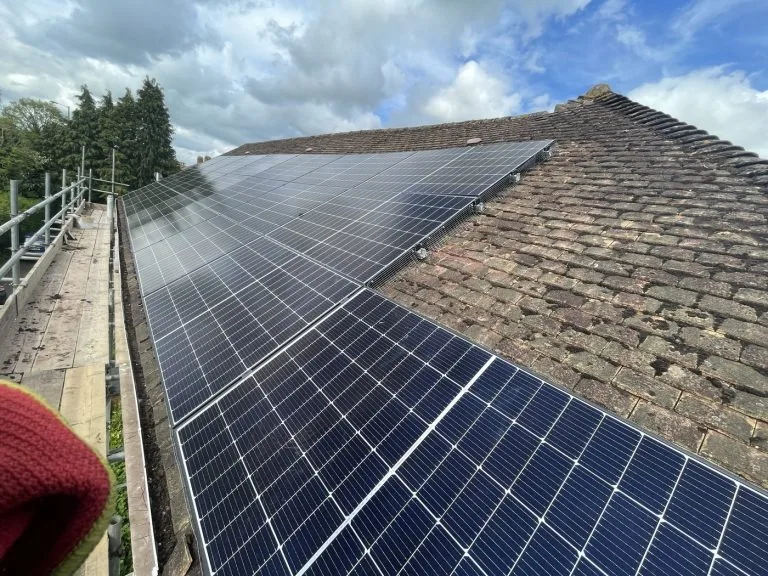
Switching to solar panels is a bit like planting a garden. You can buy the best seeds, the healthiest plants, and the right tools, but if the soil isn’t prepared, nothing will thrive. In this case, your roof is the “soil” for your solar system. If it’s in good condition (like fertilised soil), facing the right way, and free from obstacles that steal energy away, your panels will flourish, much like a well kept flower garden.
The good news is that most UK roofs are perfectly suitable for solar; sometimes, they just need a little TLC before installation. It’s kind of like prepping your garden bed: checking the strength of the structure (the soil), removing shade or obstacles (the weeds), and making sure it’s ready for long-term success.
Take a stroll with us through this guide, and we’ll make preparation as easy as picking your favourite flowers. Learn the simple but important steps to “prep the soil” for your solar journey. We’ll cover everything from inspecting the age and condition of your roof to understanding permissions and weight limits, by the end, you’ll have the 411 on how to make sure your roof is ready to support a system that will pay back in lower bills and greener living for decades. Without further ado, let’s get our hands dirty with a few quick tips on how to get your roof solar-ready.
01What Do Installers Look for During a Roof Assessment?
Before any panels are lifted onto your roof, installers act a bit like gardeners testing the soil before planting, or like surveyors checking the foundations before building. They want to make sure that what’s underneath is strong, stable, and ready to support something that’s meant to last for decades. A solar system isn’t just an add-on; it becomes part of your home’s structure even when you decide to move out, so the roof has to be in good health before it takes on the extra weight. During a site audit, your installers check list might look a little like this:
- They’ll check the condition of the roof surface
- They’ll check the type of material the roof is made of
- They’ll check the layout of the roof and the space available
- Finally, they’ll have a looksie at any signs of sagging, damage, or structural wear
Here’s a more detailed breakdown of what to expect:
| What to check on your roof | How and Why |
|---|---|
| Inspect for visible damage or wear | How: Start by giving your roof a quick once-over. Do you spot any cracked, broken, or missing tiles? Those are red flags that could cause trouble later. Keep an eye out for moss too, especially in the dips and gutters, because it often means water is hanging around where it shouldn’t, which can weaken your roof over time.
While you’re at it, take a look at the flashing around chimneys, vents, and skylights. If it looks loose or damaged, water can sneak through those gaps. Why: Water and solar panels don’t mix well, leaks could end up damaging the electrical parts of your system. A little check now can save you a lot of hassle later. |
| Evaluate roof age and expected lifespan | How: Installers don’t just look at what your roof looks like today; they also think ahead. Since solar panels are designed to last 20–25 years (sometimes even longer), you’ll want to make sure your roof can go the distance too. If your roof looks a bit tired or is nearing the end of its natural lifespan, they may suggest carrying out repairs or even a replacement before adding panels.
Why: A roof that’s built to last is the best insurance policy for decades of clean, reliable energy. (Trust us on this one) |
| Understand the material of the roof and its compatibility | How: Check for compatibility based on the roof type:
Why: Most standard UK roofs are suitable for solar, but each material may require a different mounting approach. |
| Check for water damage or sagging | How: Step inside your loft or attic with a torch. Wood that has changed colour, wet insulation, or beams that are sagging are all signs of worry.
Why: These signs could indicate that the roof is leaking or that the structure has weakened. Installers will suggest the best way to add extra support to meet structural standards before moving on if more support is needed. |
| Inspect ventilation and insulation | How: While you’re up in the attic, you should also check the insulation and ventilation in your roof. A roof that gets good airflow keeps moisture from building up, and good insulation can help you save energy.
Why: Depending on where and how the solar panels are mounted, they may affect airflow. It’s a good idea to check this ahead of time. |
02Do You Need Planning Permission for Solar Panel Installation?
We’ve talked about preparing your “soil” (roof) for your solar garden. But just like planting flowers, there’s another step: checking with your “neighbours and neighbourhood committee.” You wouldn’t want to plant a row of bright sunflowers only to find out your neighbour is allergic, or that the committee prefers low shrubs. Planning permission works in much the same way; it makes sure your solar panels fit in with the surroundings. The good news is that most UK homes don’t need permission to install solar panels, and that’s because Solar panels usually fall under permitted development rights.
Other exceptions to look out for include:
- Panels that stick out above the allowed limits.
- Panels close to a neighbouring property distance matters.
- Installations for commercial purposes.
- Flat roofs are treated differently under planning guidelines.
- Listed buildings or conservation areas: Stricter rules apply. You usually need both planning permission and listed building consent. In some areas, roof panels may be fine, but wall panels or panels visible from the street might not be allowed.
What installers do during a site audit:
- Check roof type and structure.
- Review panel layout and elevation.
- Measure proximity to property boundaries.
- Identify if your home is listed or in a conservation zone and guide you on consents if needed.
03What are The Legal Requirements for Solar Panel Installation in the UK?
Once you’ve checked the “neighbourhood rules” with planning permission, the next step is making sure your “garden” is planted safely according to the city regulations, or in our case, UK building regulations. Even if planning permission isn’t needed, these rules are still there to make sure your solar panel system is installed safely, works well with your home, and won’t cause problems down the line. Building regulations are like the appointed life guards of solar installation; they are there to ensure your roof can safely carry the weight of the panels and that all electrical work is installed correctly (like how a life guard makes sure you know how to float and do your backstrokes without drowning).
The good news is, you don’t have to worry yourself with work, one less headache for you. Solar panel installers handle these checks as part of the installation process; they take away the stress of confirming:
- That your roof structure is strong enough to support the solar system,
- And that all electrical components are installed safely and up to code.
04How can You Prepare Your Roof for Solar Panel Installation?
Your roof has passed the “health check”, and you’ve jumped through hoops of fire to get on the right side of the law, now what? Good news, your “garden” is ready to be planted! But preparation is key, don’t just scatter your seeds without thinking about sunlight, space, and watering. Solar installation preparation involves steps to make sure your system performs at its best. The goal is to make your system uber-efficient and as flexible as a gymnist, this way it produces maximum energy while staying safe and accessible.
Here’s a handy overview of what this preparation involves:
| Step | What Installers Check | Why It Matters | Tips for Homeowners |
|---|---|---|---|
| Sunlight Exposure & Shading | The direction of the roof (south, east, west), trees, buildings, chimneys, aerials | Even partial shading can reduce output; optimisers/microinverters help mitigate this | Observe shading throughout the day; trim trees if needed |
| Roof Space Measurement | The precise measurements, obstacles, and safety margins | Determines how many panels can fit and system efficiency | Consider higher-efficiency panels if space is limited |
| Inverter & Battery Placement | The proximity to the consumer unit, ventilation, temperature, and fire safety | Ensures safe operation, easy maintenance, and compliance | Plan indoor locations that are cool, dry, and accessible |
| Future Upgrades | Potential battery storage, EV chargers, smart systems | Allows for easier integration and prevents costly rewiring later | Discuss long-term plans with your installer early |
05How can You Ensure Roof Safety and Installer Access?
With so many options, picking the right installer is as important as the panels themselves, but with so many to pick from, you might feel slightly overwhelmed. The best way to make it easy is to know what to look for, and we’ve got you covered with that:

06How Do You Choose the Right Solar Installation Company?
Selecting the right installation team is just as important as roof readiness. Certified professionals help ensure that your system is installed safely, in compliance with all applicable regulations, and ready to perform reliably.
Here’s some food for thought leading you to installation day:
| Why Choose Solar4Good | Our Services |
|---|---|
| Why MCS and NICEIC matter | Choose an installer certified by the Microgeneration Certification Scheme (MCS). This certification confirms that the installer complies with industry best practices and technical standards. An MCS certificate may also be necessary to access certain benefits such as the Smart Export Guarantee. NICEIC certification, on the other hand, confirms that an installer’s electrical work meets national safety standards. Choosing an installer with both accreditations gives you added assurance of compliance and professional conduct. |
| Structural load calculations | Before installing, your chosen installer should perform a load assessment. This analysis considers the additional weight that panels and mounting equipment place on your roof. These figures are compared against the roof’s load-bearing capacity. If the existing roof structure needs reinforcement, installers will advise on appropriate solutions before installation proceeds. |
| Installation day | Our dedication to quality and sustainability has earned us recognition, like awards and features in notable UK publications |
| Financial Accessibility | On installation day, the team typically arrives early to conduct a final check. They will install scaffolding, mark out panel placements, and install mounting brackets. Wiring is carefully routed from the roof to the inverter location, and final electrical connections are made in accordance with safety regulations. |
07A Solid Foundation for Going Solar
Roof preparation may not sound glamorous, but it’s what makes the difference between a smooth, stress-free installation and one filled with costly hiccups. Every step lays the groundwork for a system that performs reliably for decades.
By taking the time to prepare properly, you’ll experience fewer surprises, greater peace of mind, and a home solar setup that truly pays off.
Our certified team will guide you through the process, from the first inspection to the final installation. Contact Solar4Good today, and we’ll make sure your roof is solar-ready and your home is set up for long-term savings.
Quick Takeaways:
Check for resources online like forums on Reddit so you can get first-hand advice from people who’ve gone through this process.
With the right guidance, planning permission doesn’t have to be complicated at all.
By following these regulations, your system stays compliant, safe, and fully integrated with your home, letting you enjoy the benefits of solar without any extra stress.
Professional installers work methodically. A well-installed system is not only safer but also better performing and more durable.
Just like good soil helps a garden grow, a strong, well-kept roof ensures your solar panels last and perform well.
Installers look at roof age, condition, material type, signs of damage, and structural strength to make sure your home can support panels for decades.
Most UK homes fall under permitted development rights, but listed buildings, conservation areas, and certain roof types may need special approval.
Installers handle compliance to confirm your roof can carry the panels safely and that all electrical work meets UK standards.
Shading, roof space, inverter and battery placement, and even future upgrades all play a role in how efficient your system will be.
Roof access, installer safety, and homeowner cooperation keep the installation smooth and injury-free.
Frequently Asked Questions
Do I need planning permission for solar panels?
Not in most cases. Exceptions include listed buildings, conservation areas, or when panel placement exceeds projection limits.
What roof orientation is best?
South-facing roofs generally receive the most sunlight. East and west-facing roofs are also viable. North-facing is less suitable.
How much roof space do I need?
A typical home system requires around 20–30 square metres of clear roof area.
Why use certified installers?
Certified professionals ensure your system meets required safety and performance standards. They also help with necessary approvals and registration.
What should I check before installing?
Look for signs of roof damage, evaluate shade, confirm structure compatibility, ensure safe access, and discuss any future upgrades or system expansion possibilities with your installer.
Manan co-founded Solar4Good to do solar differently, as a partner, not a salesperson. After 15 years in London finance, he treats a solar system as the financial decision it is: every customer gets an honest, numbers-first projection of cost, savings and payback, not a sales promise.