





A convenience store that trades all day
One Stop is a neighbourhood convenience retailer, part of a group running around 1,000 shops. This store opens early and closes late, and it runs on power the whole time. Chillers and freezers holding stock, lights, tills, card machines, the coffee point. None of it stops. On this site that added up to a serious electricity bill every year. And nearly all of it gets burned in daylight, while the doors are open. On paper that's the ideal fit for solar, using the power at the moment the panels make it. The problem was the bill kept climbing, and in convenience retail the margins are thin.
Cut the bill without ever closing the shop
A five-figure electricity bill takes a real bite out of a convenience store's profit, and it was only heading up. One Stop wanted that under control. Two things made it tricky. A shop like this can't shut for the works. There's no closing for a week while installers are on the roof, because every trading hour is takings you don't get back. And the system had to be sized properly against a real daytime load, not just bolted on. Too small and it barely dents the bill. Get it right and a big slice of the day's power comes free off the roof.
A 19.6 kW system sized to the shop's real load
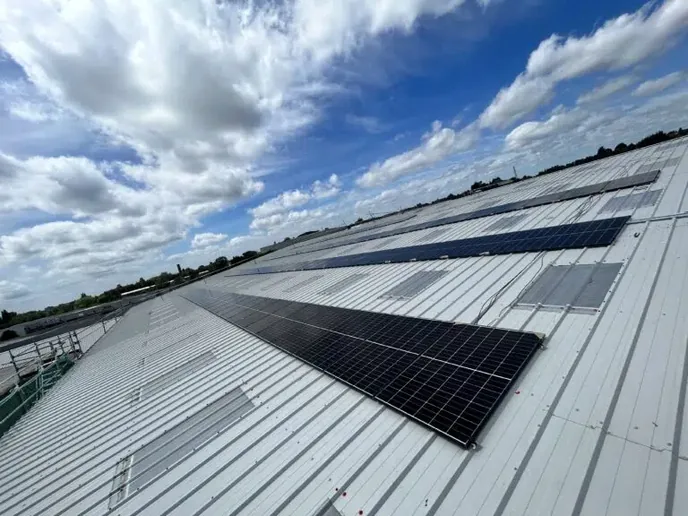
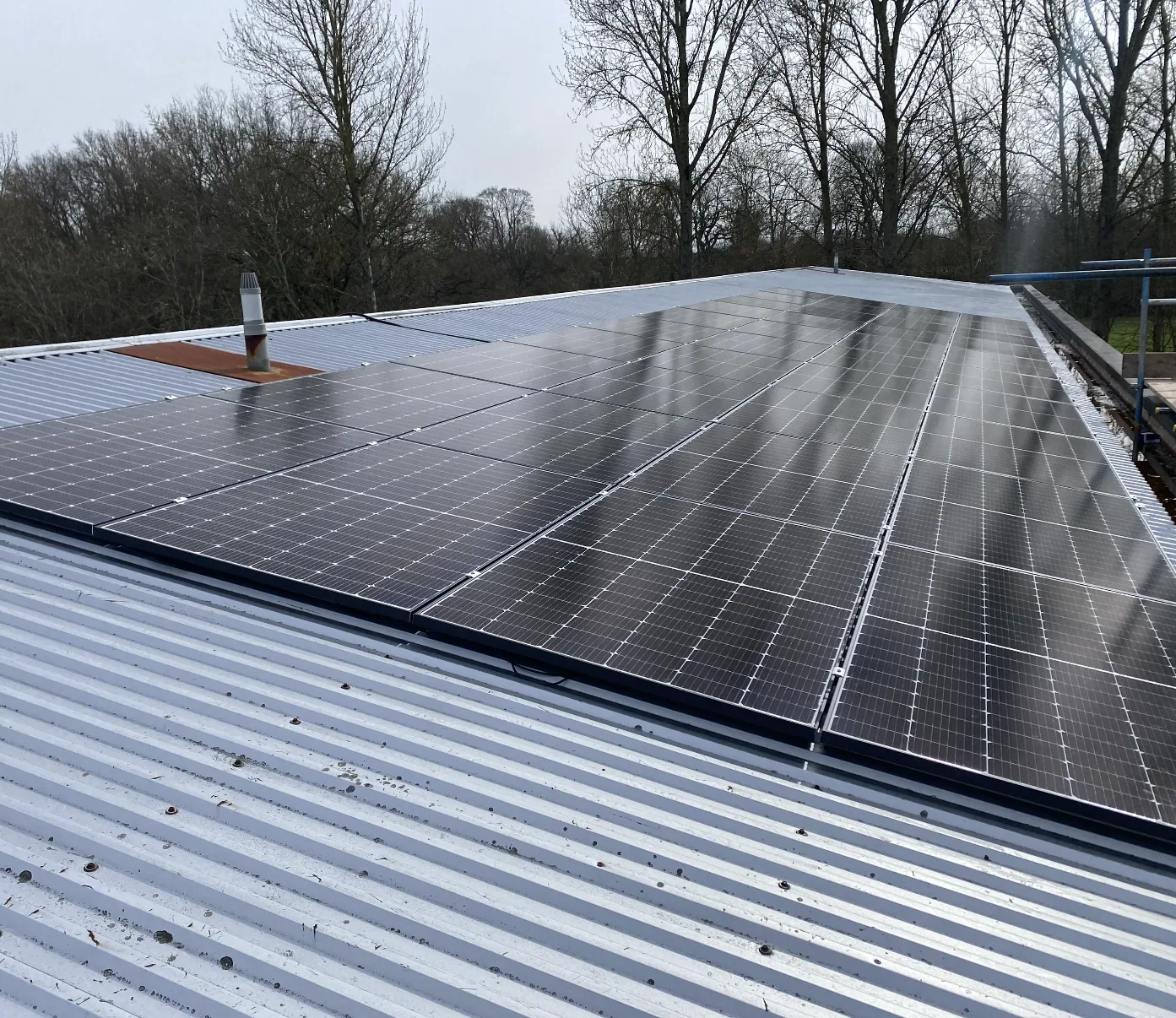
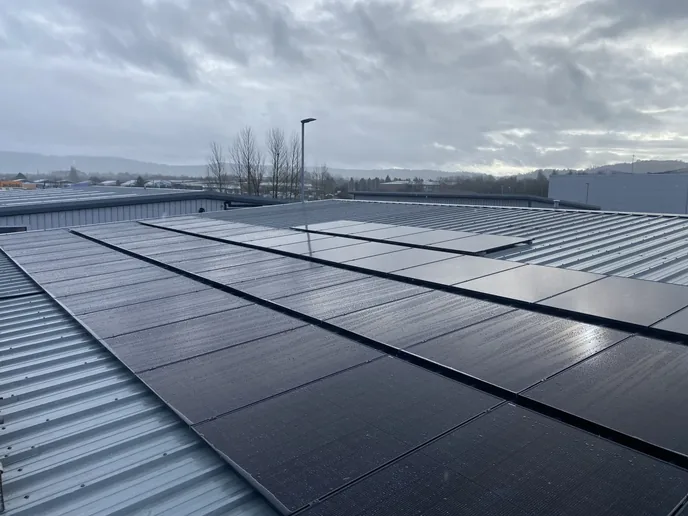
We fitted a 19.6 kW rooftop system, 49 panels at 400W each, sized against how this shop actually uses power through the day. Because the load lands in daylight, the electricity the panels make gets used on site as it's made, so it works straight off the meter. We ran the whole job end to end, from site visit and design through to install and commissioning, and planned it around the opening hours so the shop kept trading the whole time.
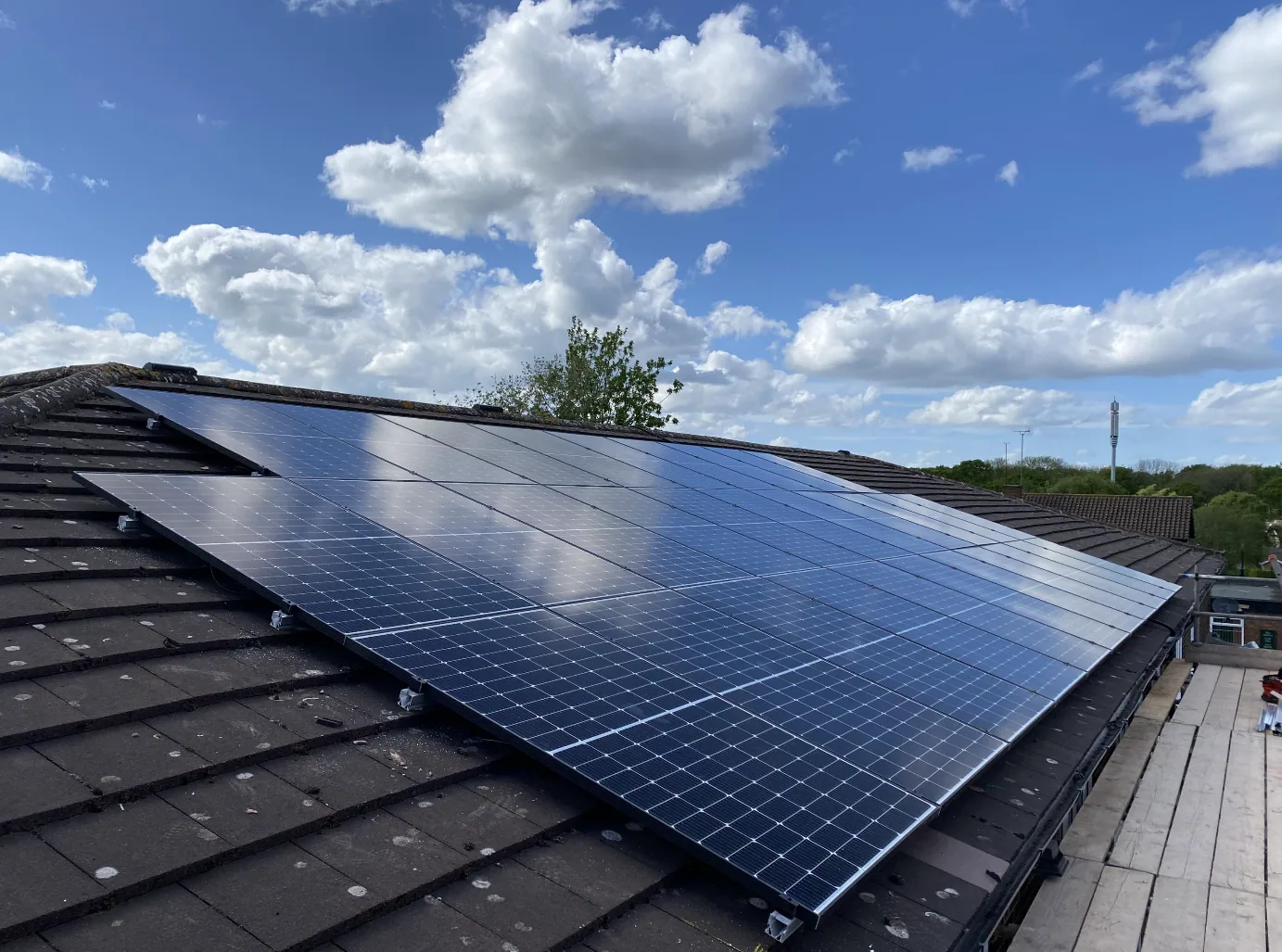
- 49 × 400W panels (19.6 kWp total)
- Sized to a daytime-heavy retail load, so power is used on site as it's generated
- Installed around a working shop, planned so trading carried on throughout
The bill fell by more than two thirds
The electricity bill dropped by 68%. For a convenience store, that money doesn't sit idle. It goes back into service and running the shops. And it turned a bill that kept rising into one the business can plan around. Over the system’s 25-year life that is roughly £74,000 to £98,000, on an install that typically pays for itself in five to six years.
Generation and saving figures on this page are estimates, modelled from the system size and a typical UK yield. They are not meter readings. Your own figures depend on your roof, your usage and the weather in any given year, and we confirm them from a real assessment rather than a model.