





A factory that runs on daytime power
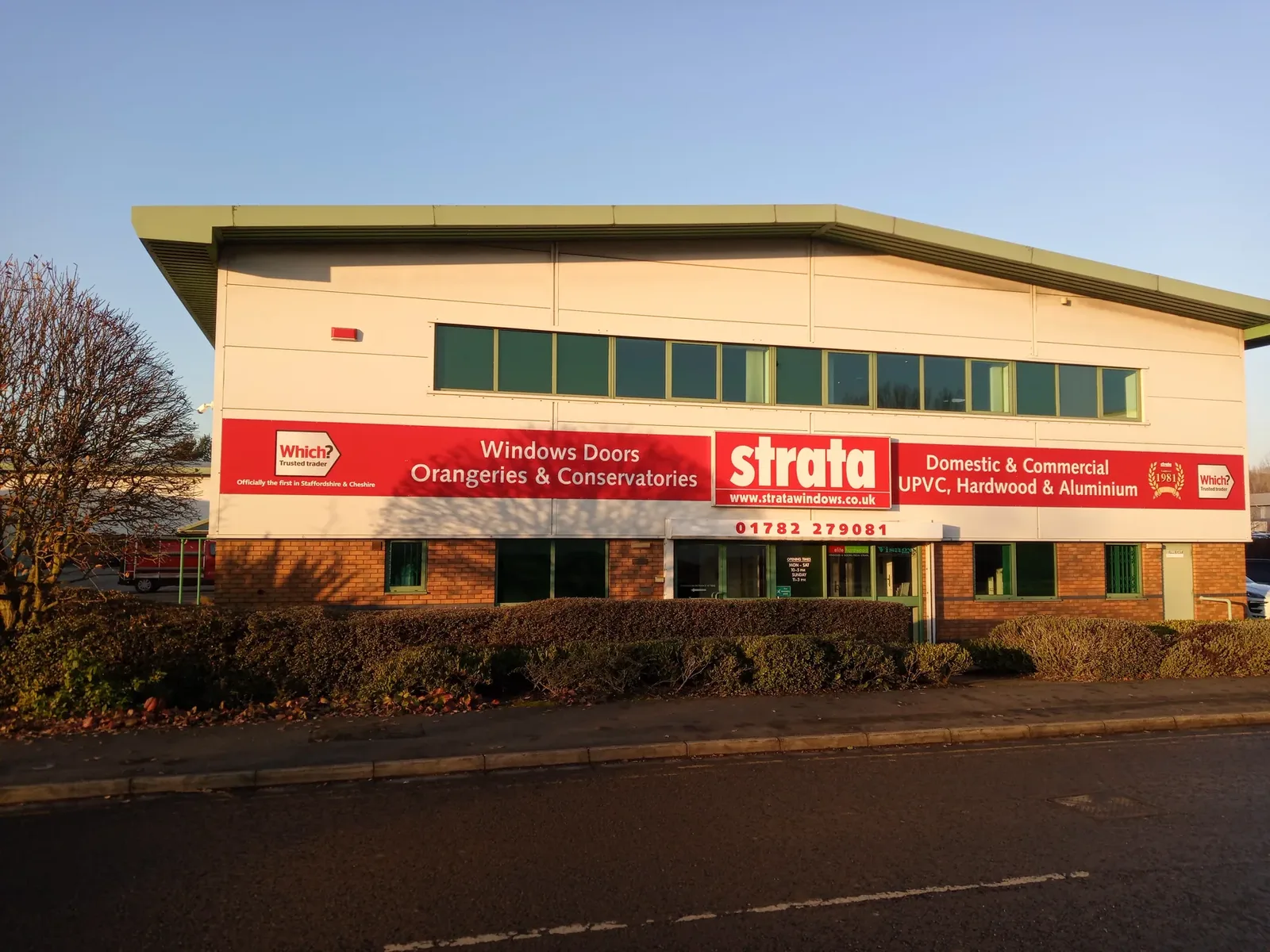
Strata Windows is one of Staffordshire's biggest names in double glazing. They build uPVC, timber and aluminium windows, doors, conservatories and garden rooms, made to order in their own workshop. That means machinery, and machinery runs on electricity, nearly all of it drawn in daylight while the line is working. On paper that makes them a strong fit for solar. They use the power at the exact hours the panels make it. But the bill kept climbing, and for a manufacturer every pound spent on energy is a pound that can't go into the product. Something had to give.
A power bill eating into the margins
Strata's electricity had become one of the factory's biggest fixed costs. On a working factory that isn't a rounding error. It's real money that could be going into staff or better kit. They wanted it down, and down for good, not shaved by a few percent with a cheaper tariff that resets next winter. Then there's the worry every manufacturer has when solar comes up. You can't stop the line to fit it. Production had to keep moving while the work got done, and the system had to be big enough to make a real dent, not a token gesture on the roof.
A 20.5 kWp system, sized to the factory's load
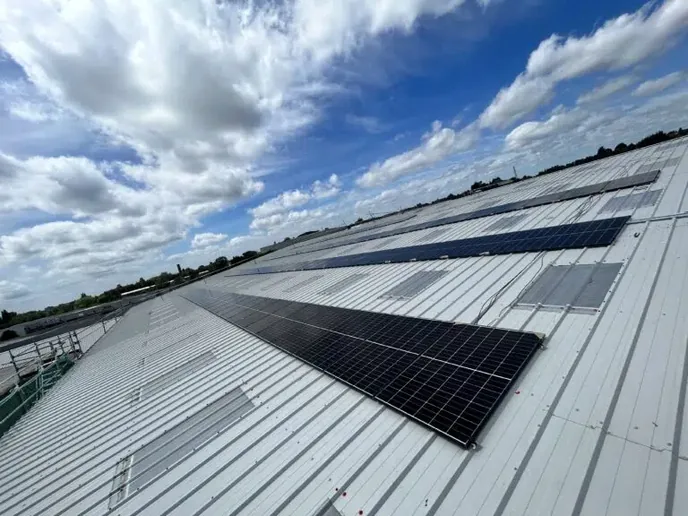
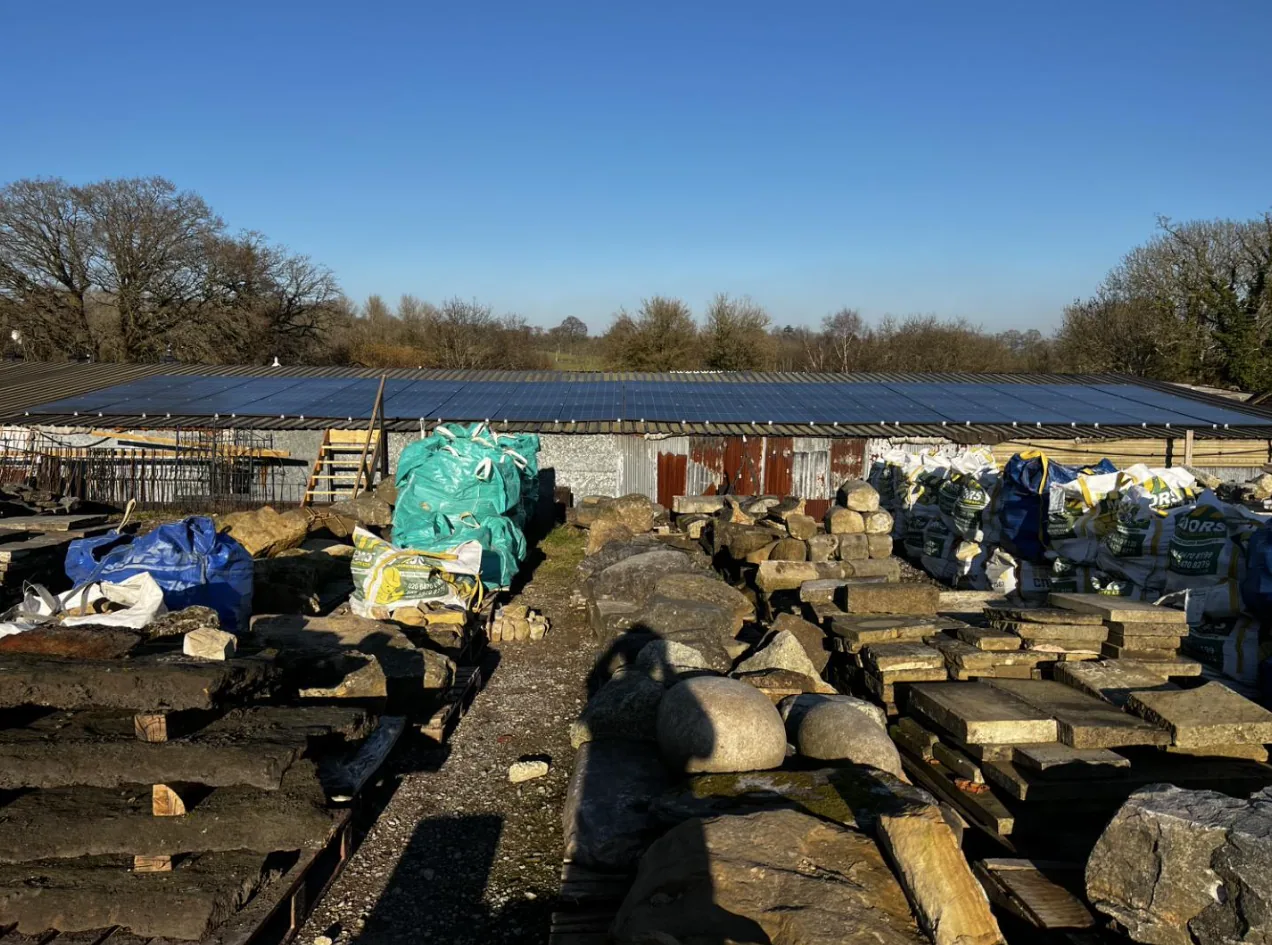
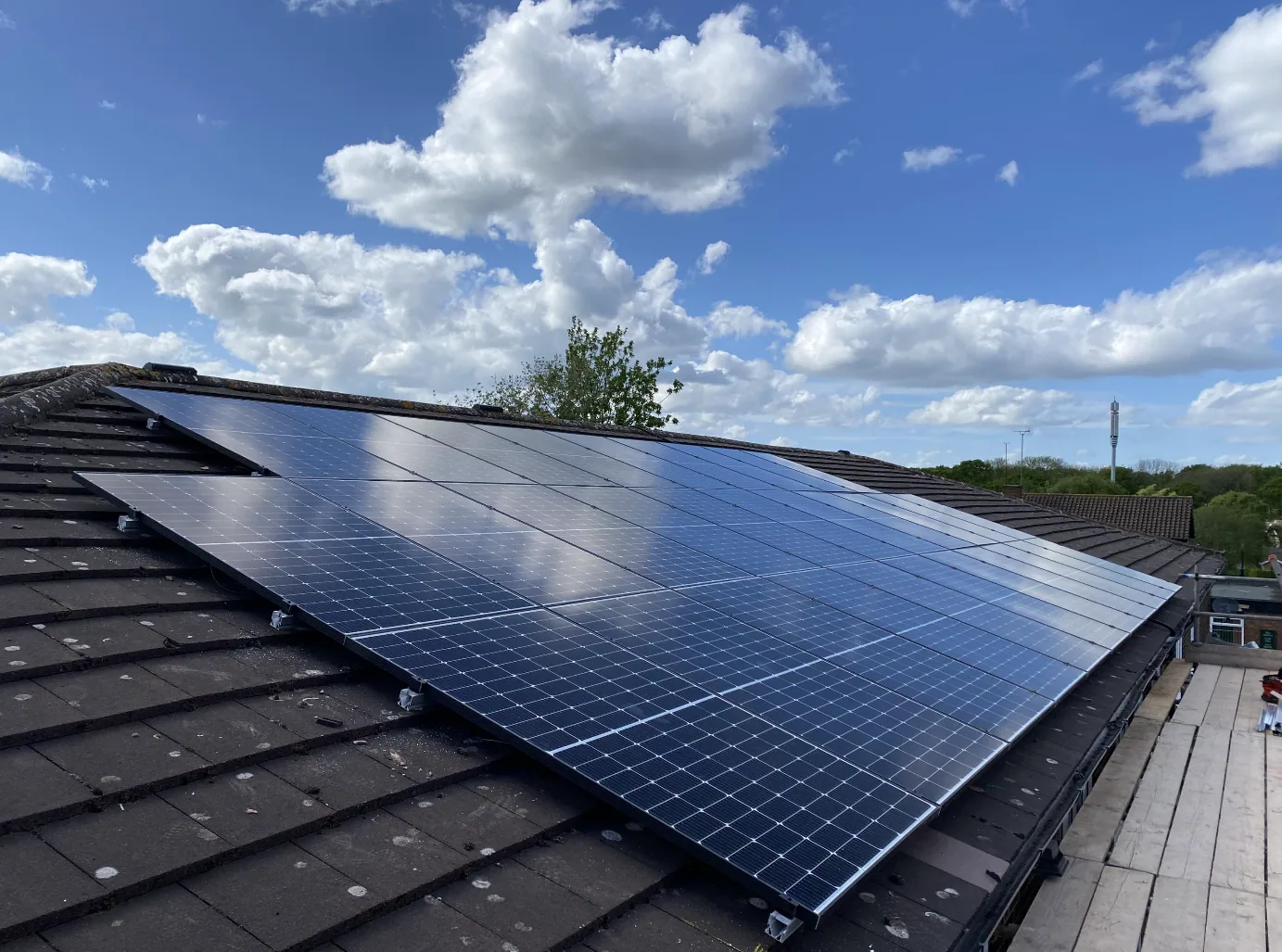
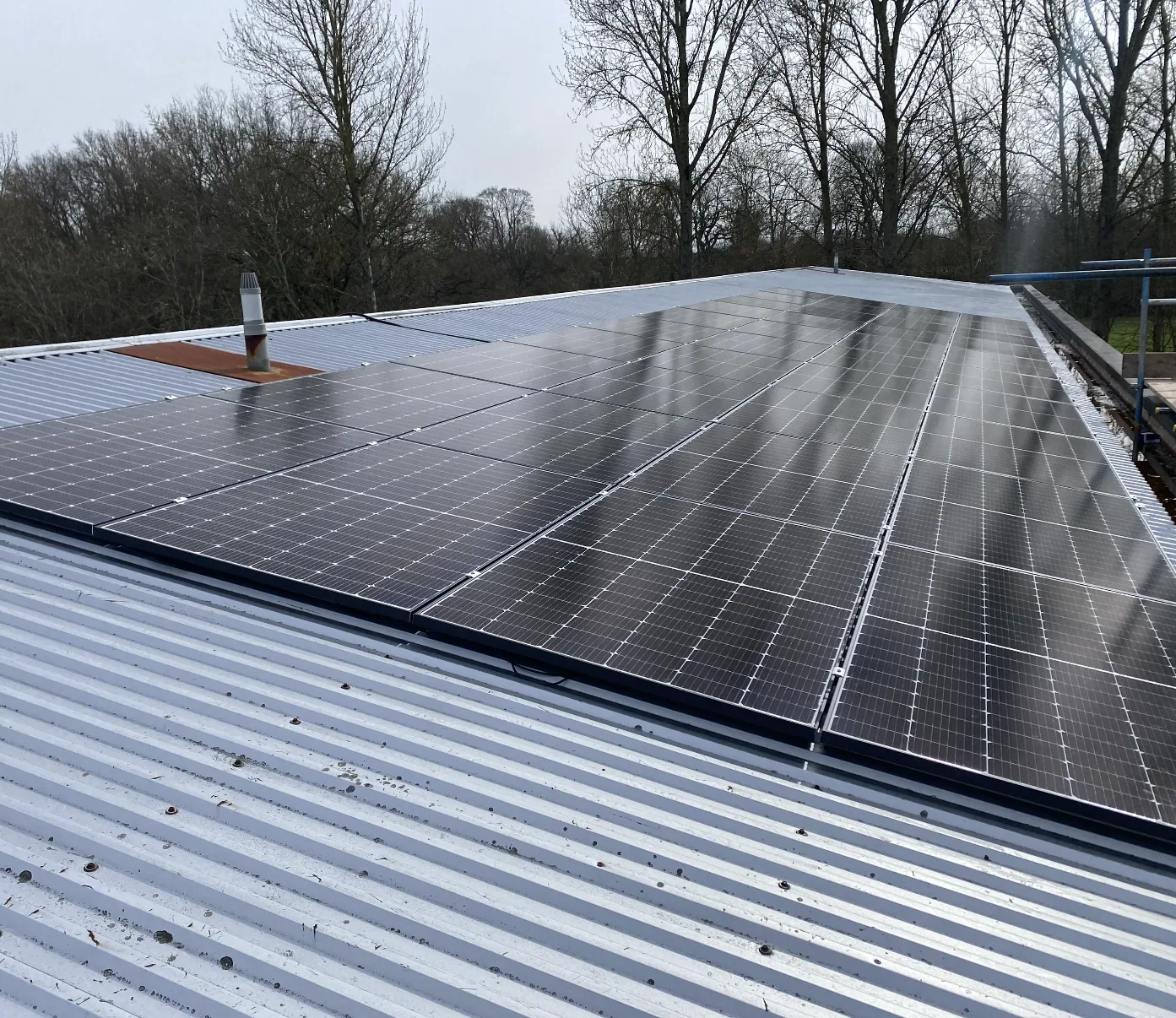
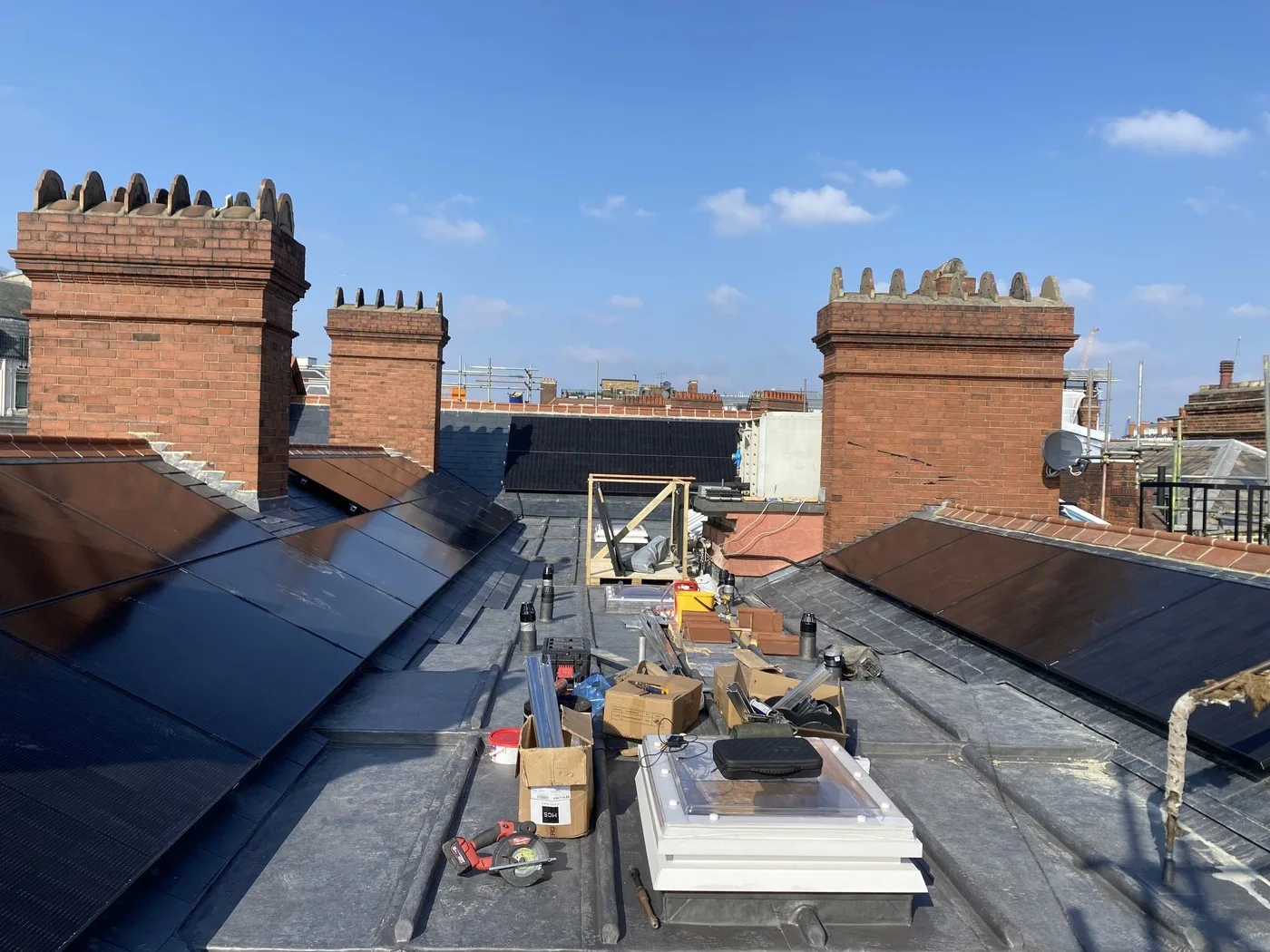
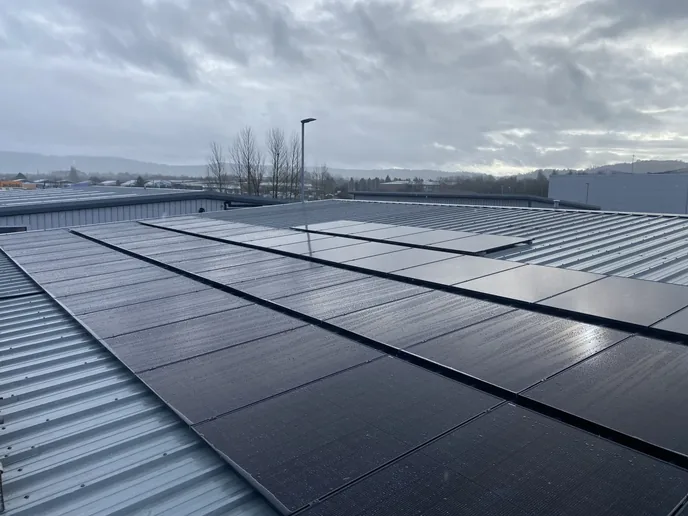
We sized the system to how Strata actually use power, not to a brochure. Fifty 410W panels, 20.5 kWp in total, enough to carry a serious slice of a daytime manufacturing load. We ran the whole job ourselves, from site visit and design through to install and commissioning, and planned it around the production schedule so the line kept running while we worked.
- 50 × 410W panels (20.5 kWp total), sized to a manufacturer's daytime draw
- Built to move a heavy, all-day factory power bill, not a token slice of it
- Site visit, design, install and commissioning, all handled end to end
- Planned around the working factory so production kept moving
The bill, cut by 70%
The panels took 70% off Strata's electricity bill, and it stays off every single year. Same factory, same output, a fraction of the power bought from the grid. For a manufacturer working on tight margins, that's money going into the product now instead of the meter. Over the system’s 25-year life that is roughly £77,000 to £102,000, on an install that typically pays for itself in five to six years.
Generation and saving figures on this page are estimates, modelled from the system size and a typical UK yield. They are not meter readings. Your own figures depend on your roof, your usage and the weather in any given year, and we confirm them from a real assessment rather than a model.