





A cleaning firm with a bill that kept climbing
Rapid Commercial Cleaning Services Ltd keeps other people's buildings spotless. It's a busy commercial operation with a solid name for the quality of its work. The problem sat quietly on the electricity meter. Power had become one of the largest fixed costs the business carried, and that's money that should have been going back into the service, not the grid. They wanted it dealt with properly, not shaved by a few quid here and there.
Make a five-figure bill actually move
A lot of businesses look at solar and quietly assume it's a token gesture. A few panels, a nice line for the website, a couple of hundred quid off. That was the worry here too. When your electricity bill runs to five figures a year, a small system that trims the edges isn't worth the roof space or the hassle. Rapid didn't want a gesture. They wanted a system sized to make a real dent in that number, without downing tools or dragging the job out for weeks.
A 15.4 kWp array, sized to the bill not the brochure
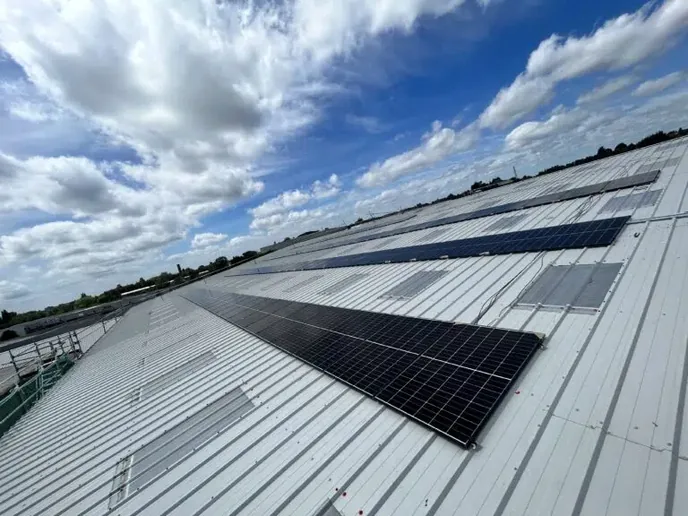
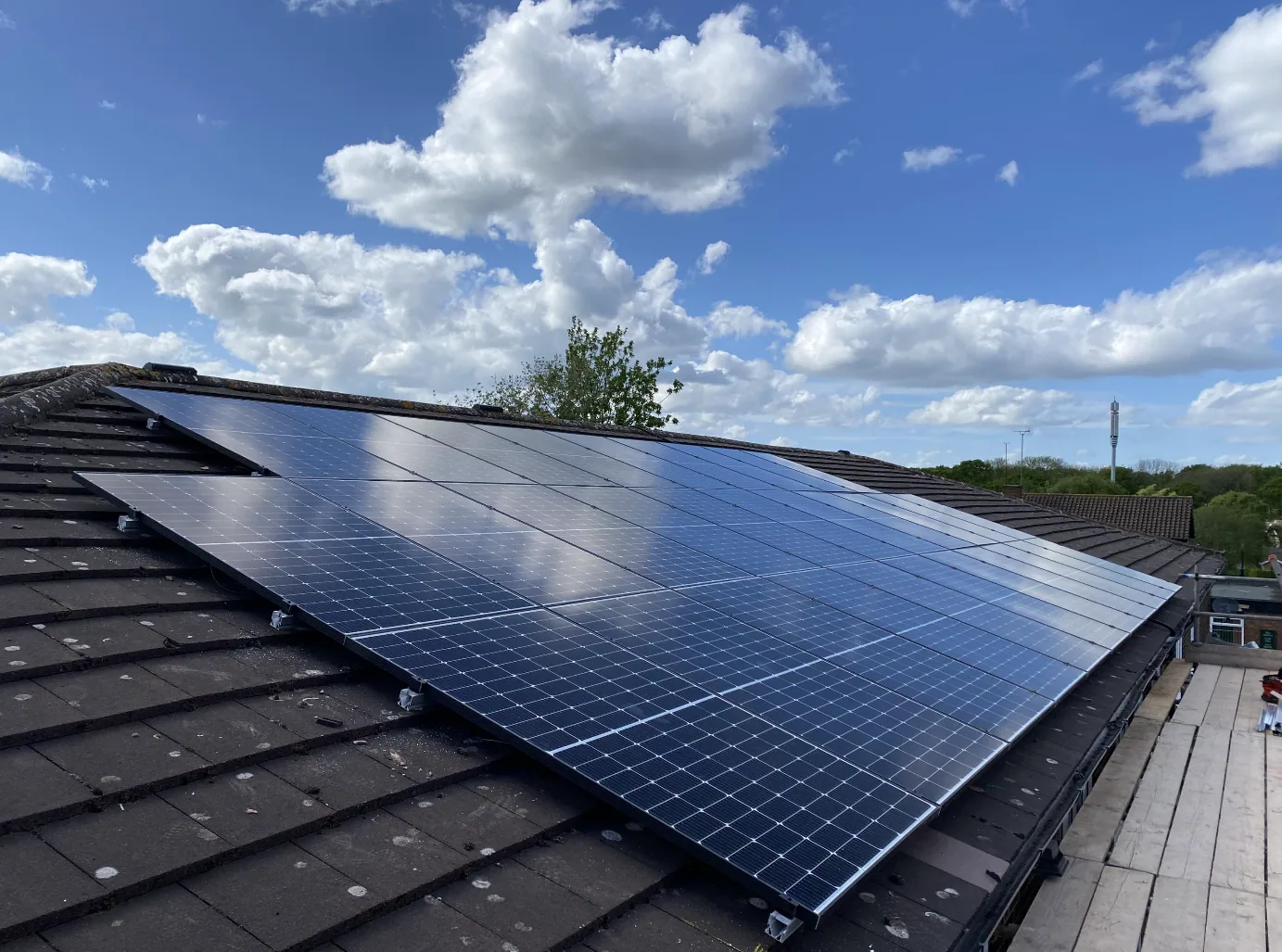
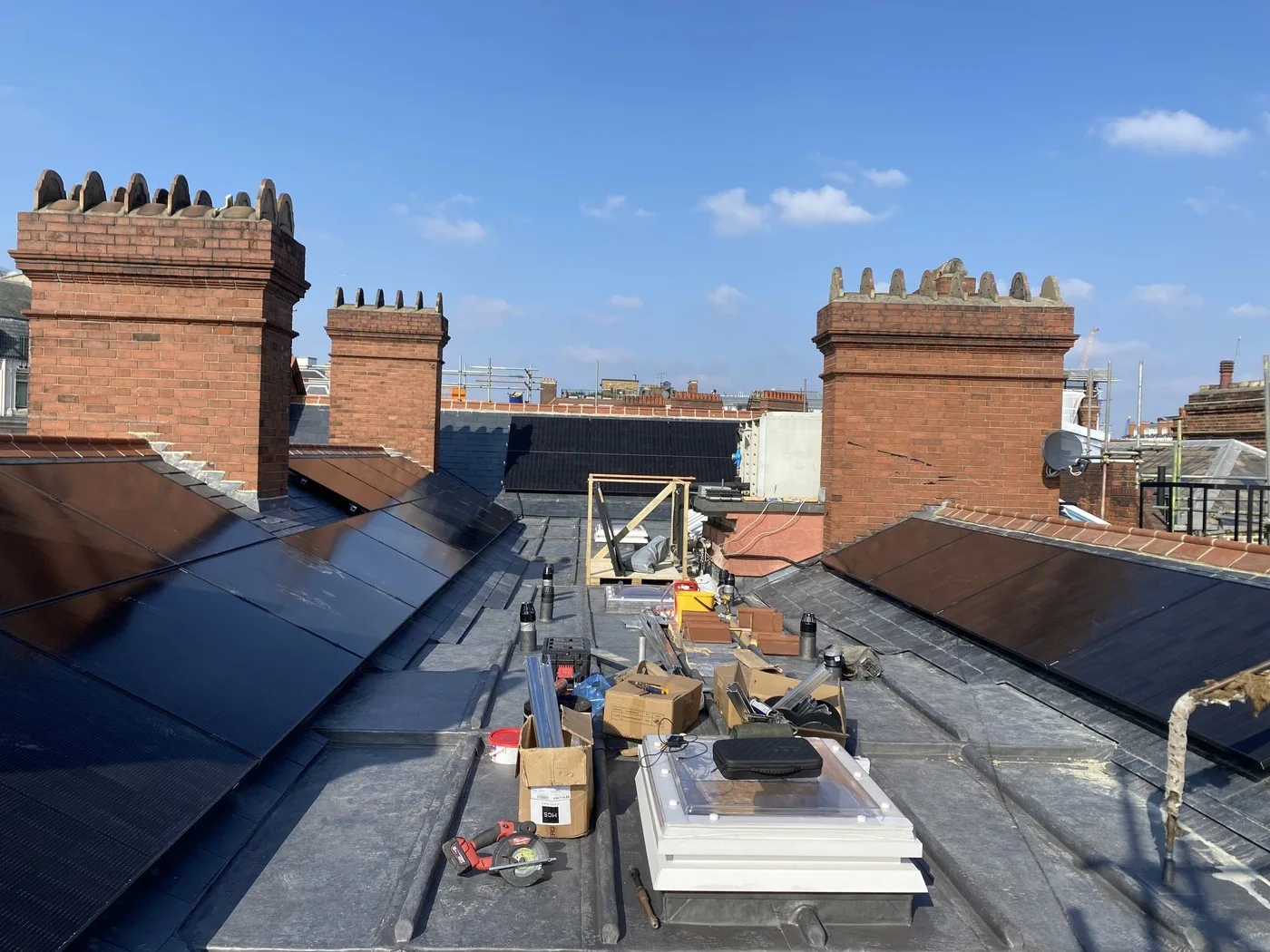
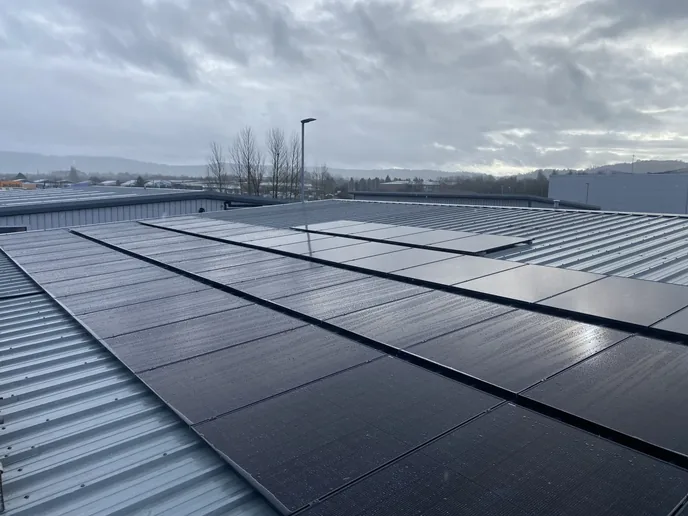
We didn't reach for the biggest system we could sell. We sized it to what Rapid actually spends. That worked out at a 15.4 kWp rooftop array, 40 panels at 385W each, laid out to get the most from the roof they had. We ran the whole thing end to end, from site visit and design through to install and commissioning, and kept it tight so the business carried on cleaning while we worked.
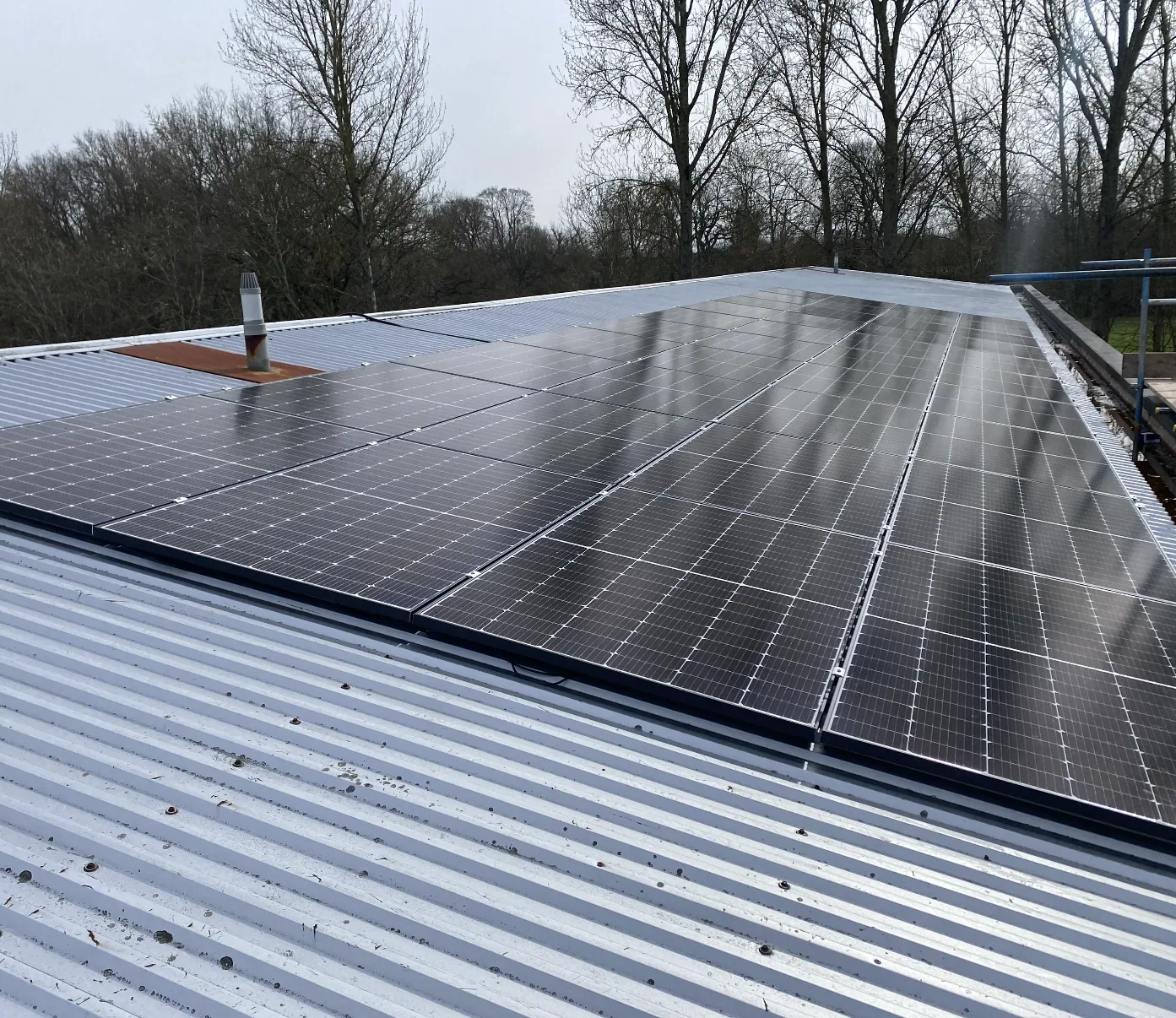
- 40 × 385W panels (15.4 kWp total), generating power on site through the working day
- Whole job handled in house, from site visit and design to install and commissioning
- Sized to Rapid's real electricity spend, not an off-the-shelf package
- Fitted around a live commercial operation, no long shutdown
Two thirds of the bill, gone
The bill fell by 67%. Not a token. A real chunk of a real cost, gone, on a roof that was already sitting there doing nothing. Over the system’s 25-year life that is roughly £58,000 to £77,000, on an install that typically pays for itself in five to six years.
Generation and saving figures on this page are estimates, modelled from the system size and a typical UK yield. They are not meter readings. Your own figures depend on your roof, your usage and the weather in any given year, and we confirm them from a real assessment rather than a model.