








A family that wanted off the tariff treadmill
Paramjit Bhachoo wanted what a lot of homeowners want now. A home that pulls its weight toward net zero, and a household that leans on the grid far less and pays far less to do it. Energy prices had been lurching around for years, and he was tired of being at their mercy. He wanted something that protected his family's finances and shrank their footprint at the same time. So he went looking for a system that could genuinely do both, not just shave a little off the top.
Run a whole home on its own power
The brief was bigger than sticking a few panels on the roof. Paramjit didn't want a small dent in the bill. He wanted a home that could make its own power, store what it didn't use, and keep the lights on when the grid went down. That meant sizing the system to the home's real annual demand, making the most of a mixed roof, and pairing the panels with proper storage. Get any of those wrong and you either waste roof space or throw away generation.
13 kW of panels, a Powerwall, and room to grow
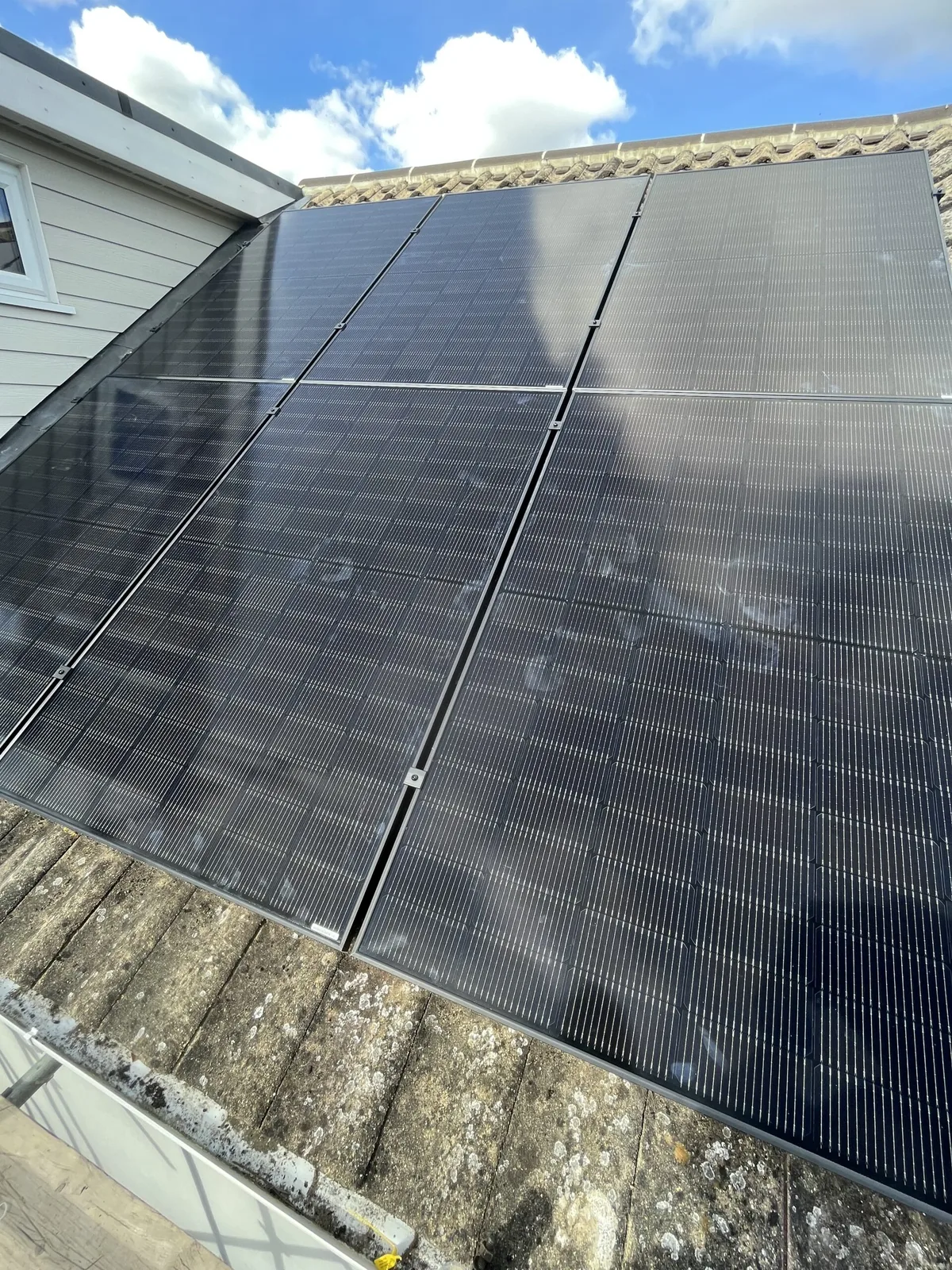
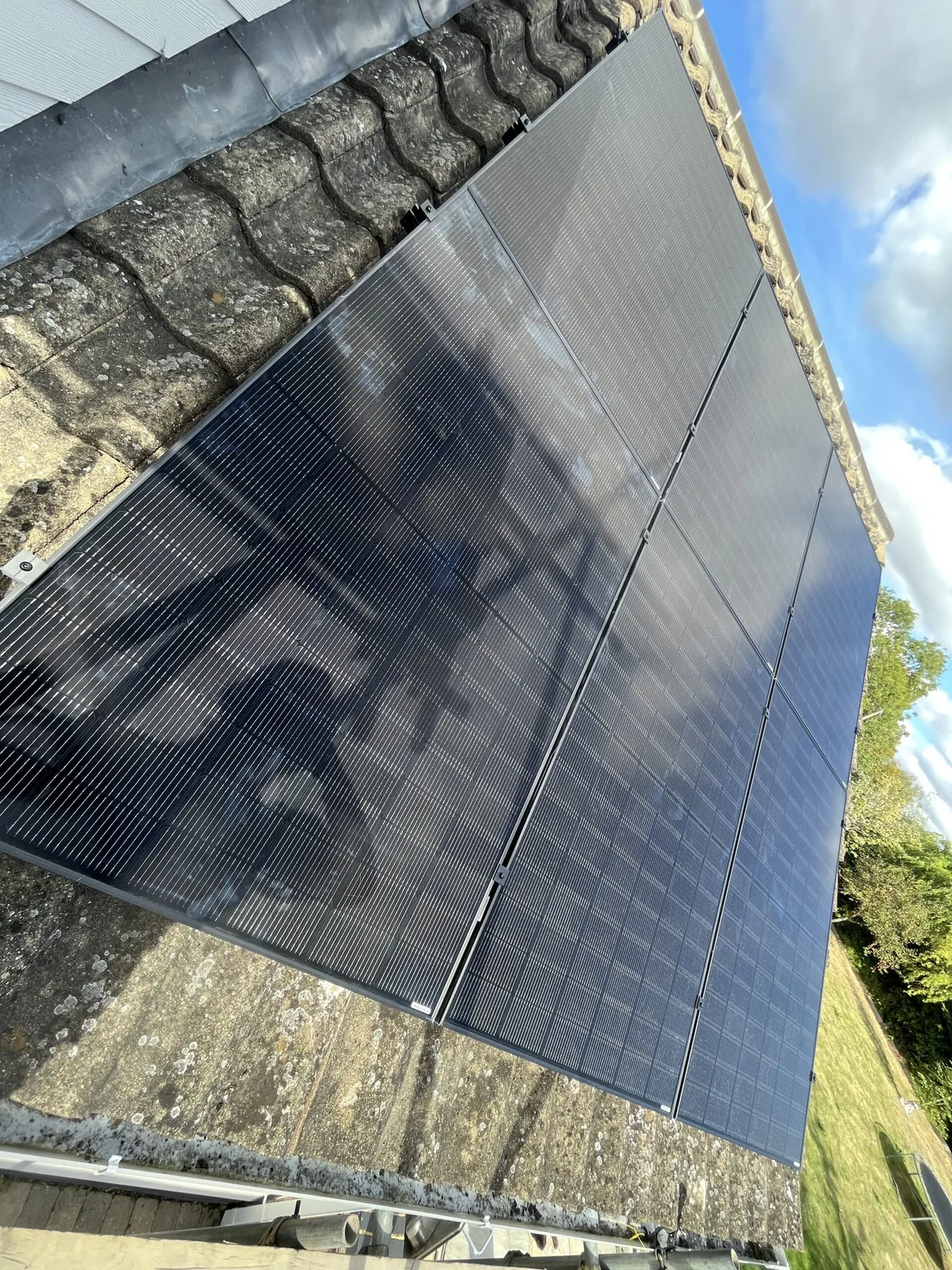
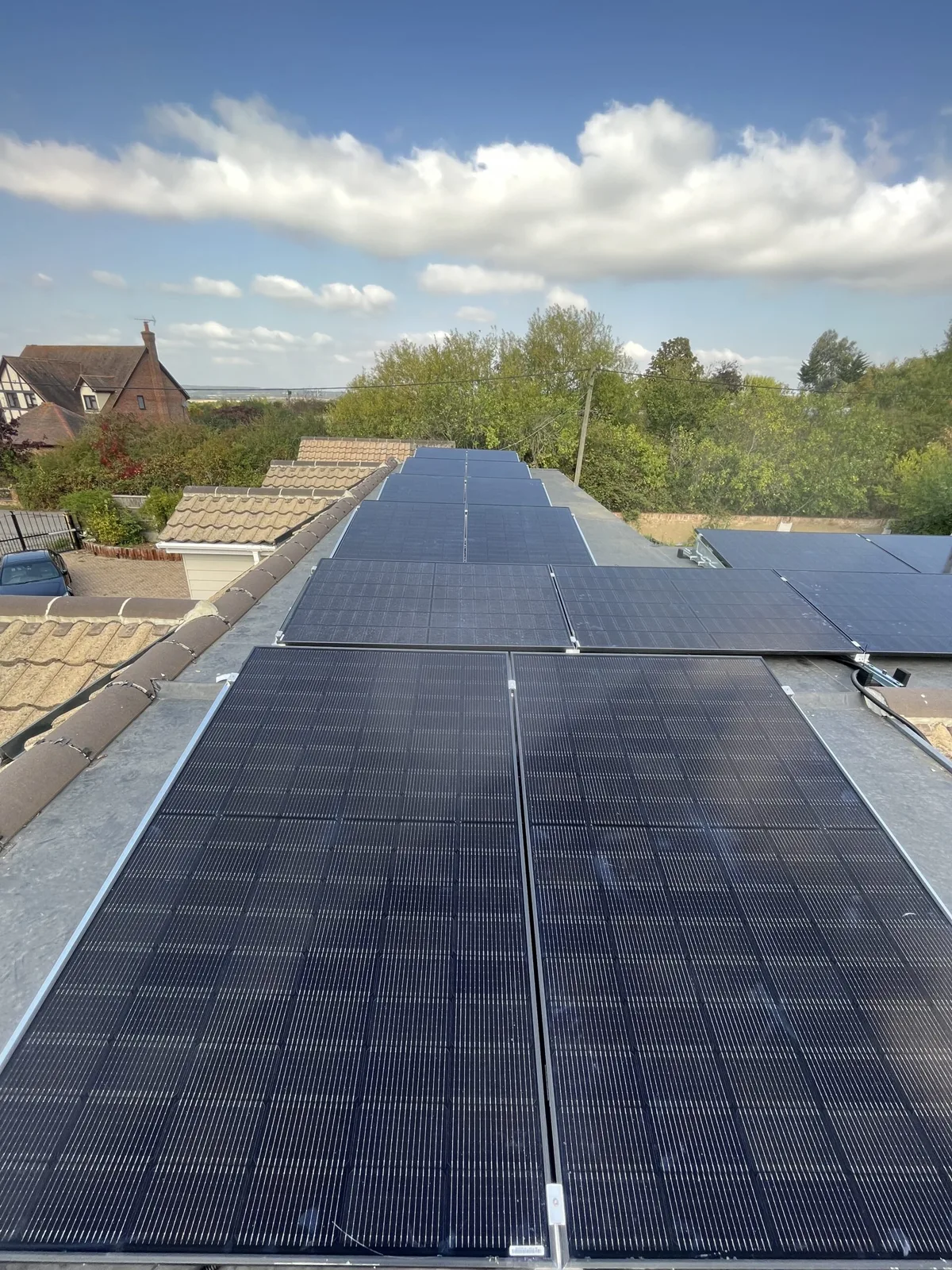
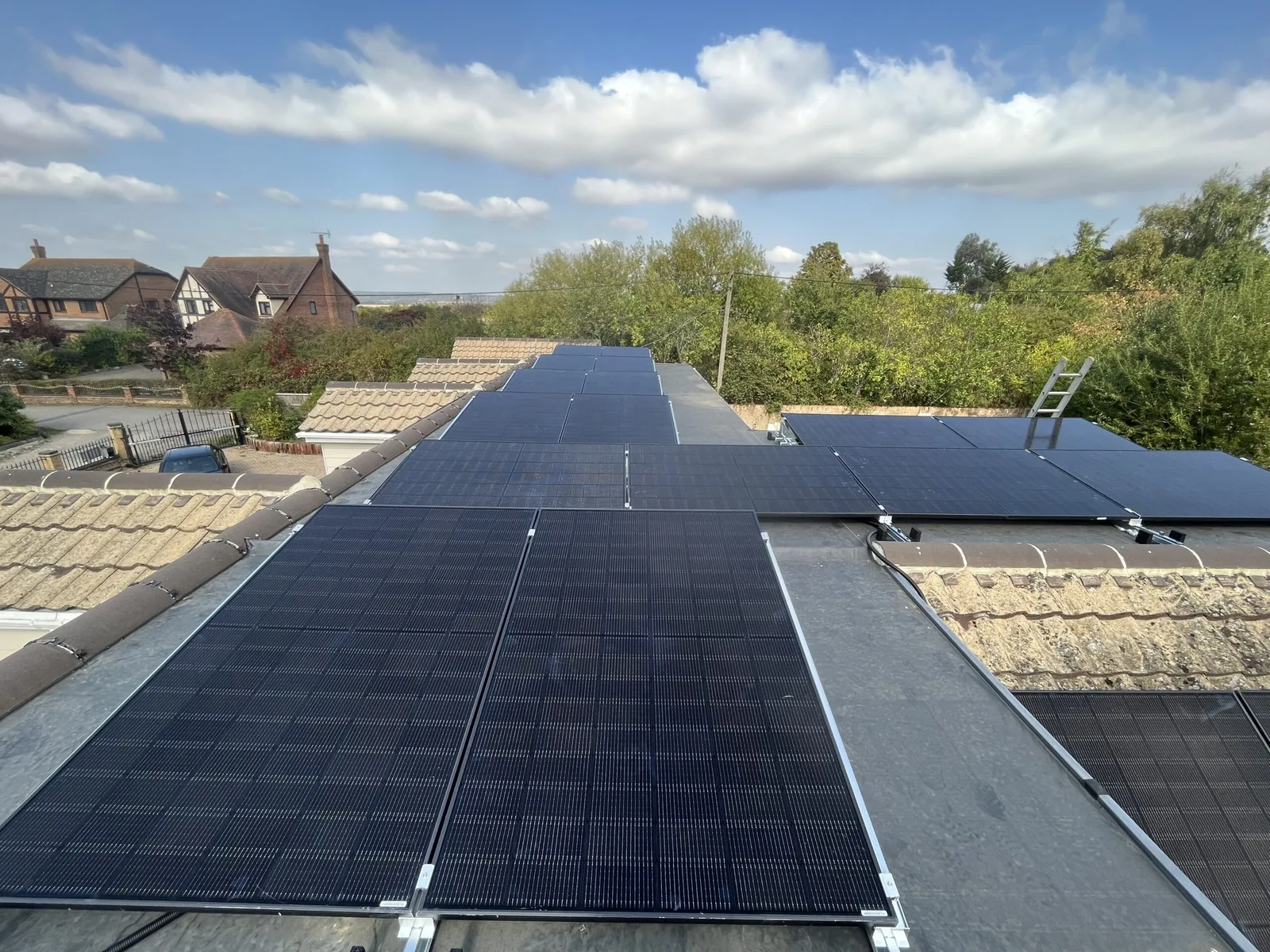
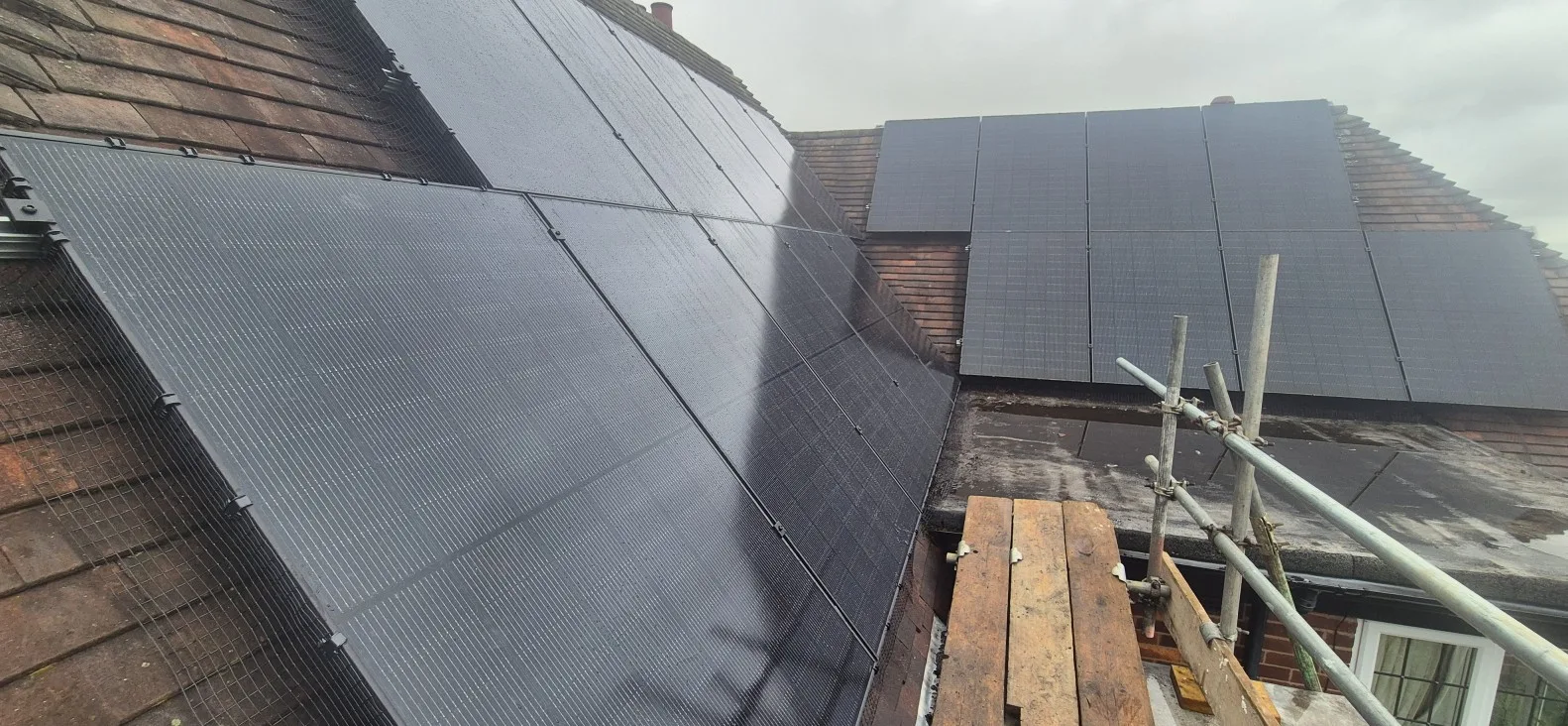
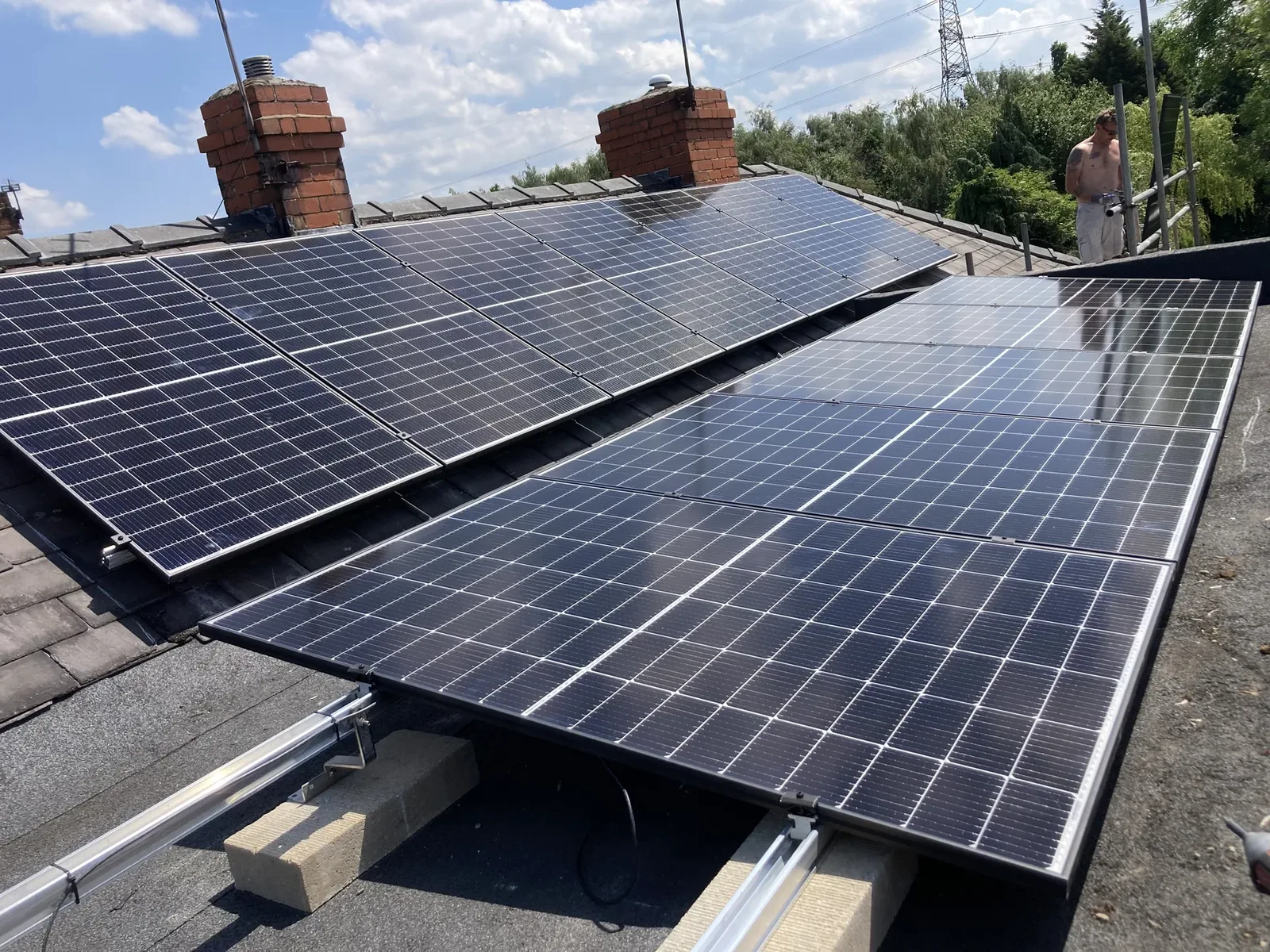
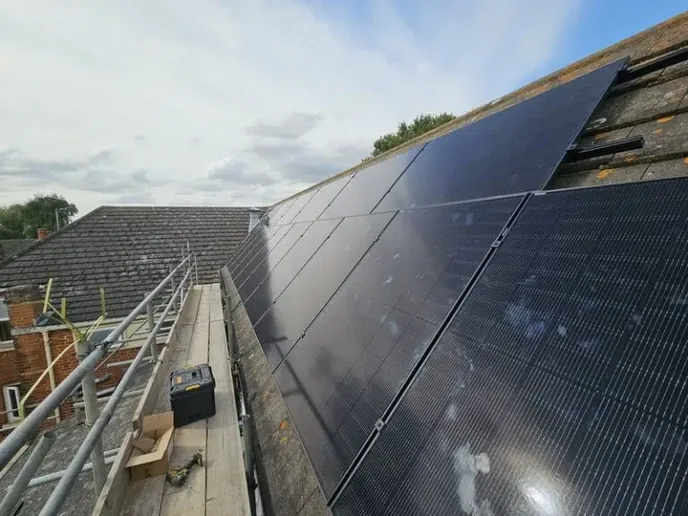
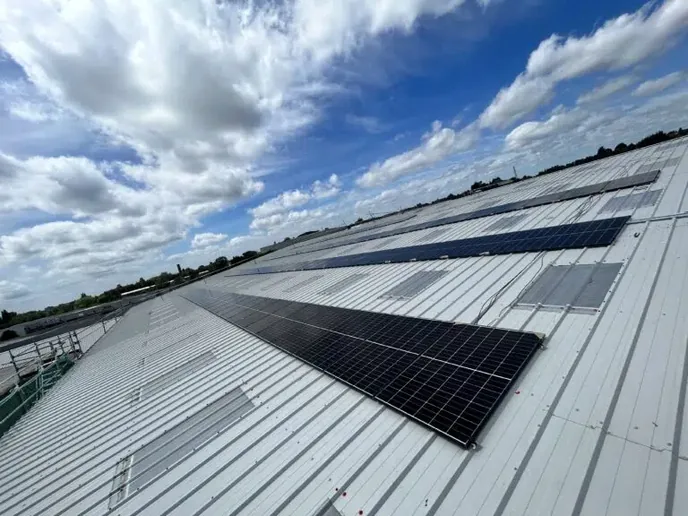
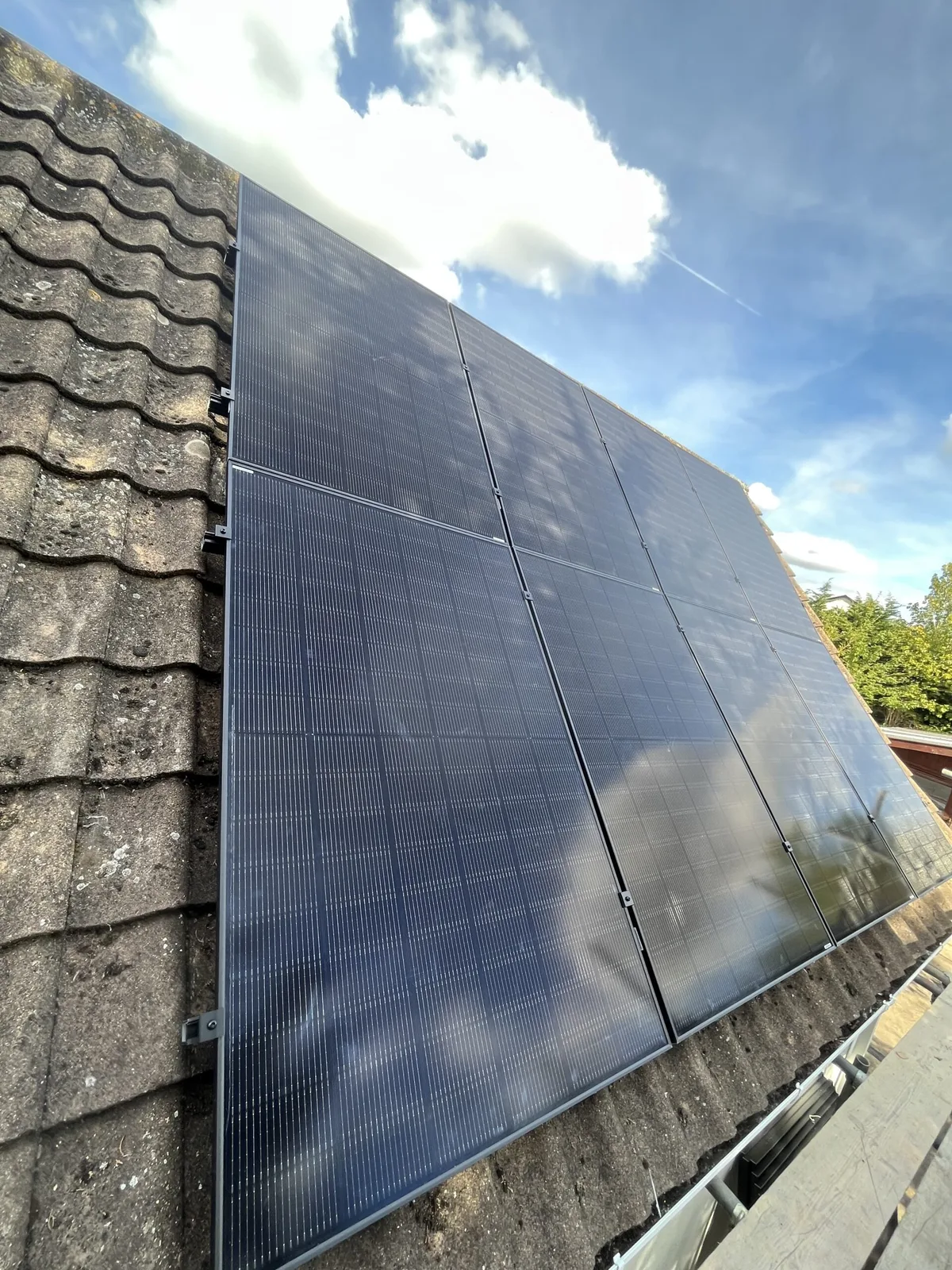
We designed the system around the home's demand and the roof it had to work with, part flat and part 40° pitch facing south. The panels generate, the Tesla Powerwall stores the surplus for the evening, the Tigo optimisers keep every panel producing even when one is shaded, and the hybrid inverter leaves the door open for future upgrades. The whole install came to £18,000.
- 30 × Jinko 435W panels (13.05 kWp total)
- FoxESS 8kW hybrid inverter plus a 3.6kW string inverter
- Tesla Powerwall (13.5 kWh storage), with 30 Tigo optimisers
- South-facing roof, part flat at 10° and part 40° pitch
70% of the home's power, made on its own roof
The system generates about 14,800 kWh a year and covers roughly 70% of everything the household uses. That's around £2,600 a year back in the family's pocket, close to £215 a month, and about £65,000 over the system's life, with the full £18,000 paid back inside 5 to 7 years. When the grid drops, the Powerwall keeps the home running. And the solar they make by day powers the house long after the sun has gone.
Generation and saving figures on this page are estimates, modelled from the system size and a typical UK yield. They are not meter readings. Your own figures depend on your roof, your usage and the weather in any given year, and we confirm them from a real assessment rather than a model.