








A family that wanted control of their own bills
Stuart Shelton wanted what a lot of Birmingham homeowners want now. An energy-efficient home that leans on the grid far less, keeps a lid on rising electricity costs, and does its bit on carbon at the same time. He wasn't after a small dent in the bill. He wanted his house to make its own power, store what it didn't use, and hold up when tariffs kept climbing. So he went looking for a system built around how his family actually lives, not an off-the-shelf handful of panels.
Get real generation off a split, flat roof
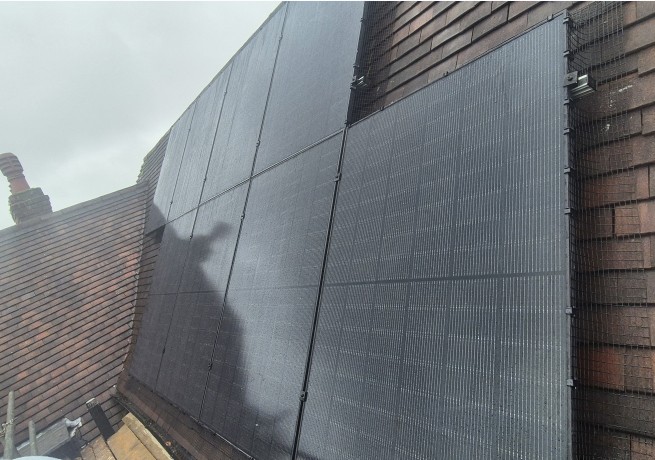
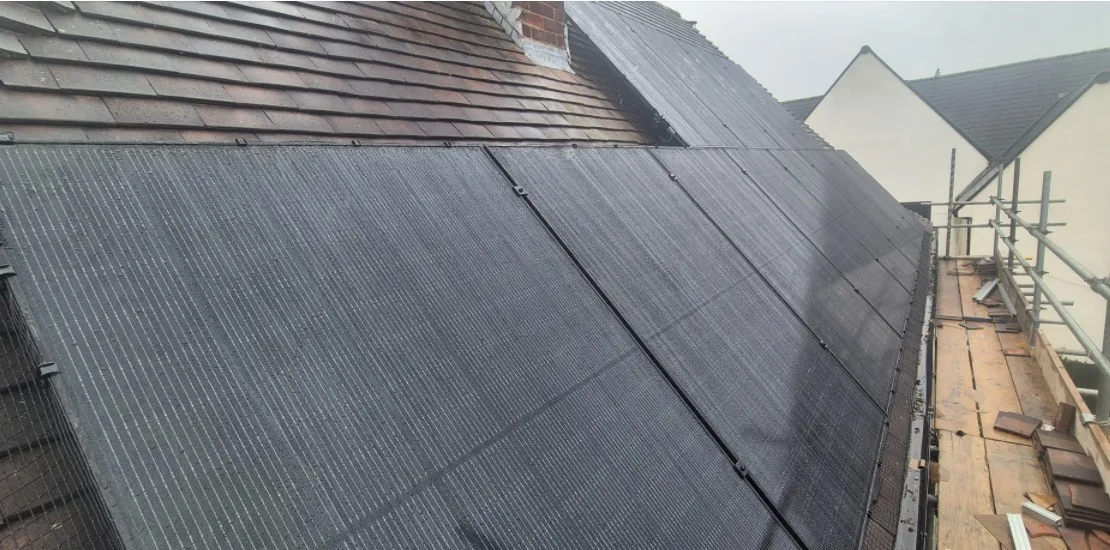
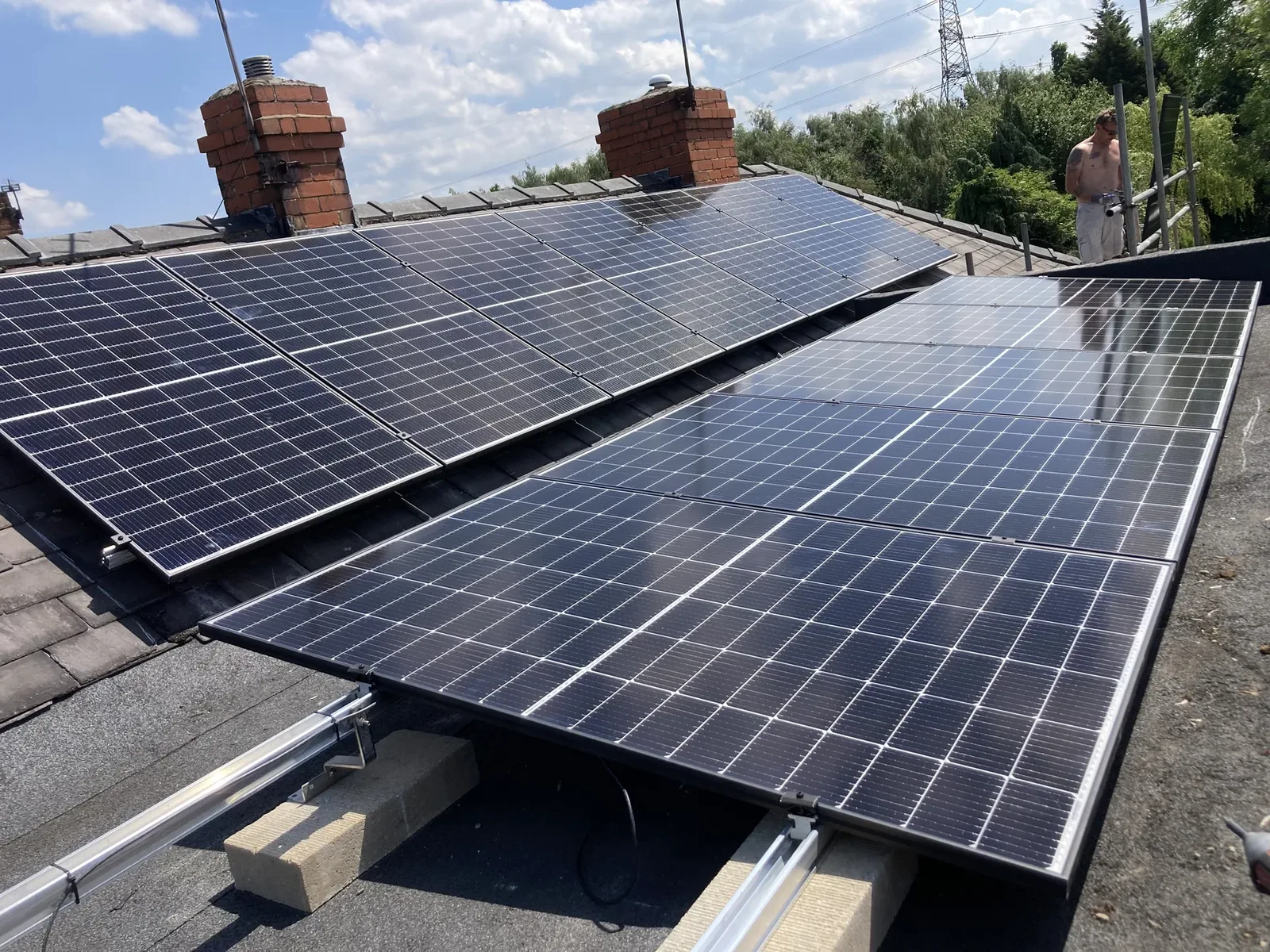
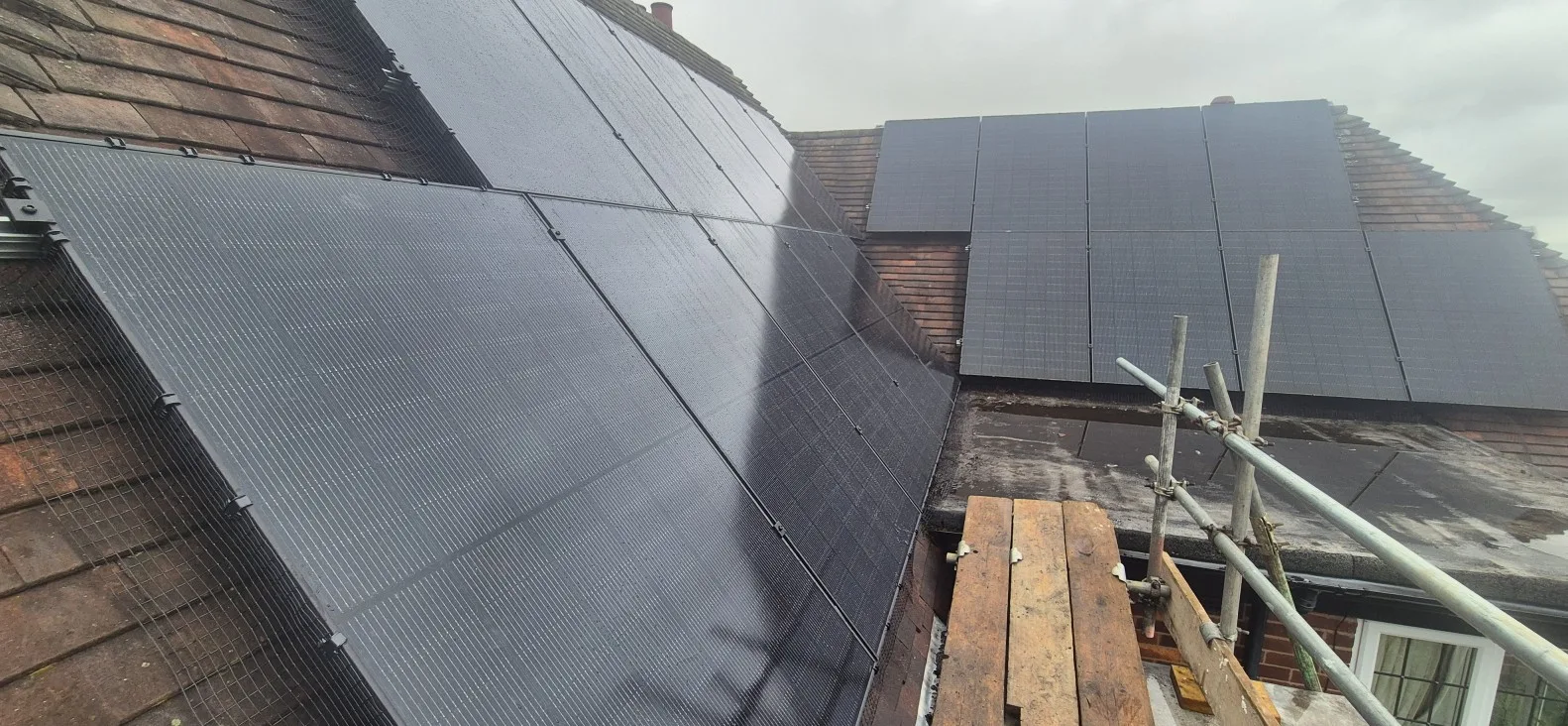
Stuart's roof wasn't one clean south-facing slope. It runs east, south and west across a flat 25° layout, so the sun hits different sections at different times of day. Handled badly, that kind of roof wastes space and throws away generation. Handled well, it does something a single-aspect roof can't: it makes power steadily from morning right through to sunset, instead of one short midday peak. The job was to size the system to the home's real annual demand and pair it with enough storage to actually use what the roof produced.
17.1 kWp of panels and 24 kWh of storage
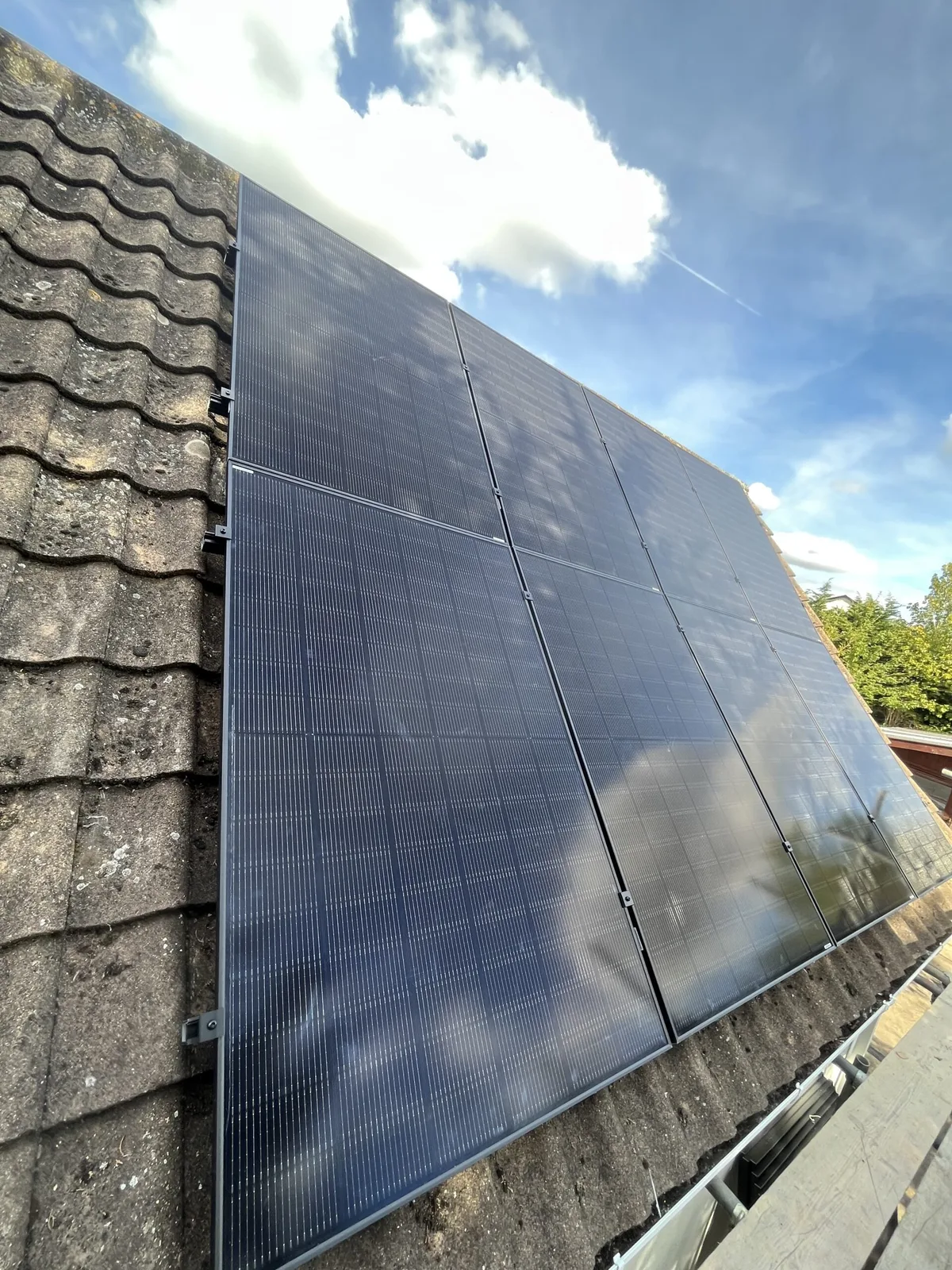
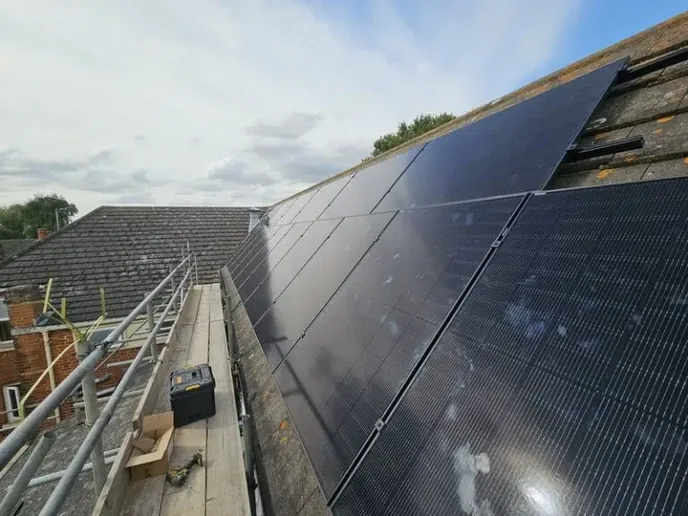
We designed the system around the home's demand and the roof it had to work with. The panels are spread across the east, south and west faces so generation stays steady all day, and three SigenStor batteries bank the surplus for the evening and overnight. The multi-orientation layout cuts reliance on peak-time grid power and future-proofs the home against rising tariffs. The whole install came to £19,800.
- 38 × DMEG 450W panels (17.1 kWp total)
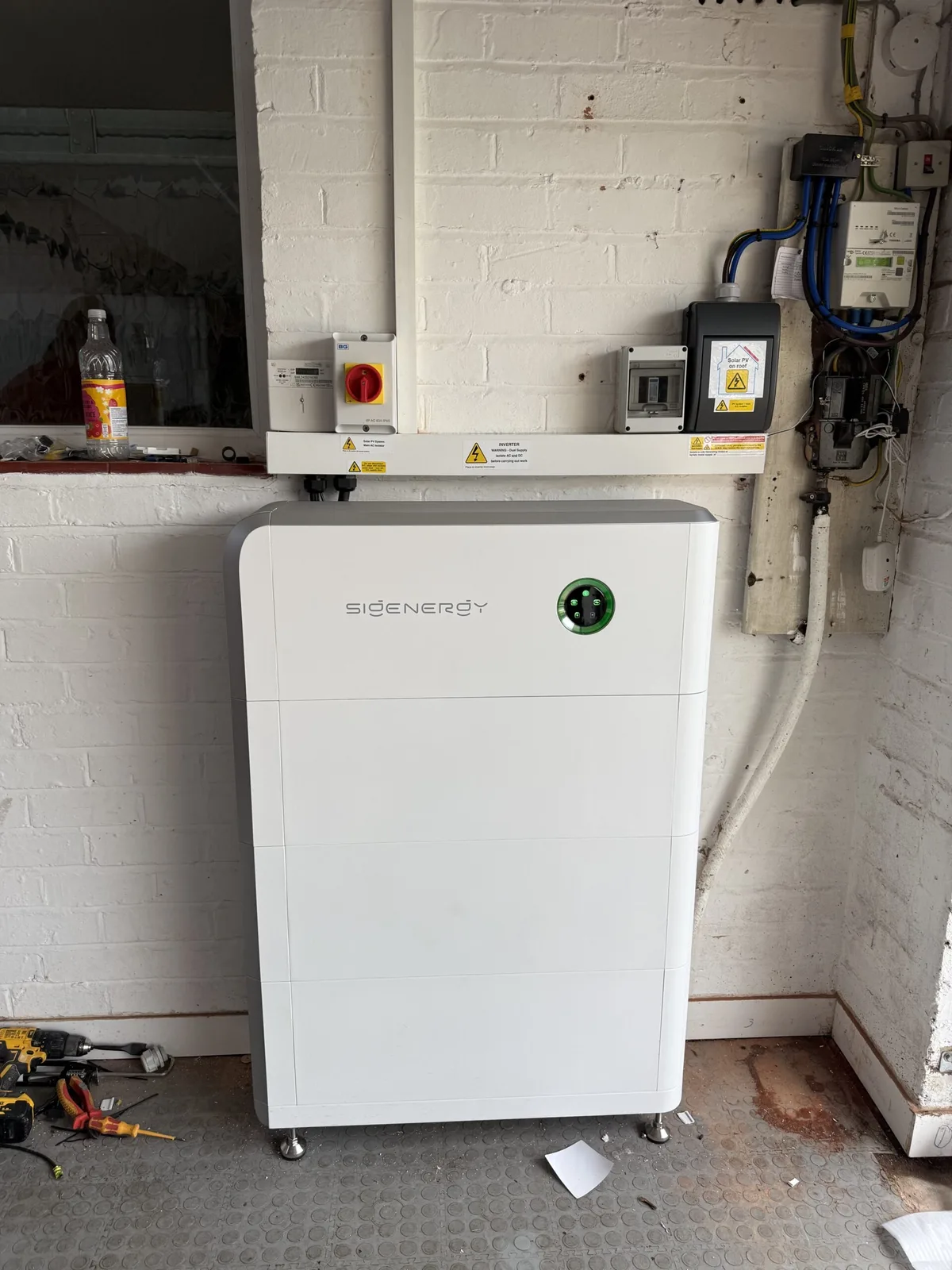
- 1 × SigenStor EC 12.0SP hybrid inverter
- 3 × SigenStor BAT 8.0 batteries (24 kWh of storage)
- Flat 25° roof spread across east, south and west faces
72% of the home's power, made on its own roof
The system generates about 18,200 kWh a year and covers roughly 72% of everything the household uses. The 24 kWh of storage banks about 88% of the surplus solar for use after dark, so the day's power keeps the house running long after the sun's gone. In cash that's around £3,100 to £3,400 off the bill every year, close to £280 a month, and £78,000 to £85,000 across the system's life, with the full £19,800 paid back in about 5.5 to 7 years.
Generation and saving figures on this page are estimates, modelled from the system size and a typical UK yield. They are not meter readings. Your own figures depend on your roof, your usage and the weather in any given year, and we confirm them from a real assessment rather than a model.