








A GP surgery with a bill that never sleeps
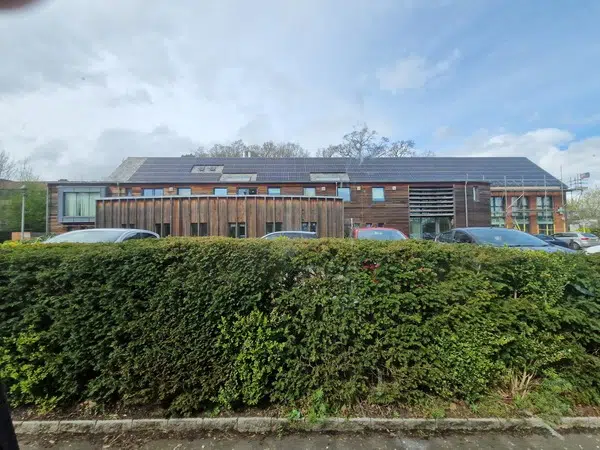
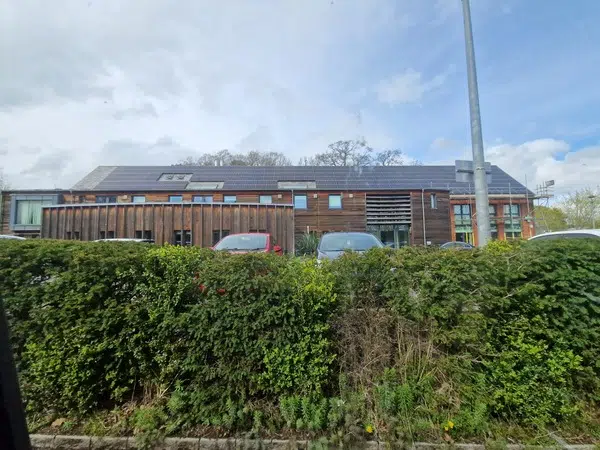
Framfield House Surgery is a busy healthcare provider in Woodbridge. Consulting rooms, lighting, refrigeration, equipment that has to stay on. The power draw is steady and it runs right through the working day, which is exactly when solar earns its keep. Two things pushed the surgery to act. Energy prices kept climbing, and the wider push across the NHS to cut carbon was getting harder to ignore. The team wanted a solution that lowered running costs, leaned on the grid less, and freed up money to put back into patient care. The catch was the roof.
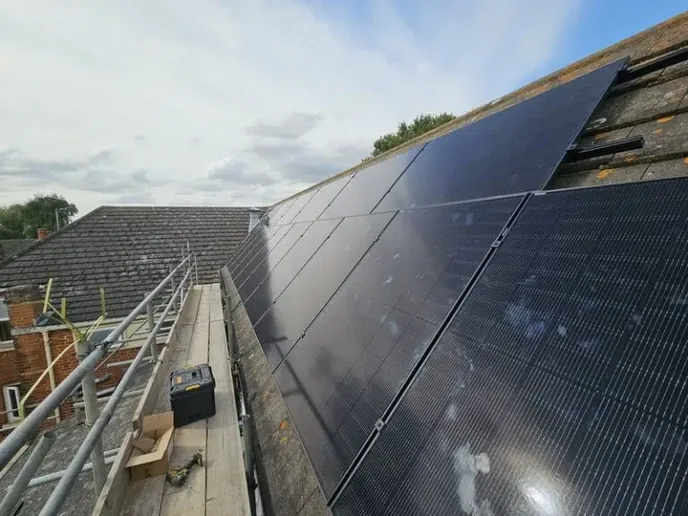
A steep roof facing north-east and west
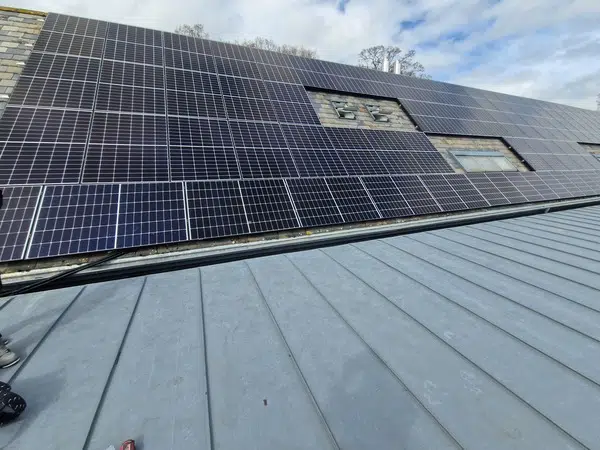
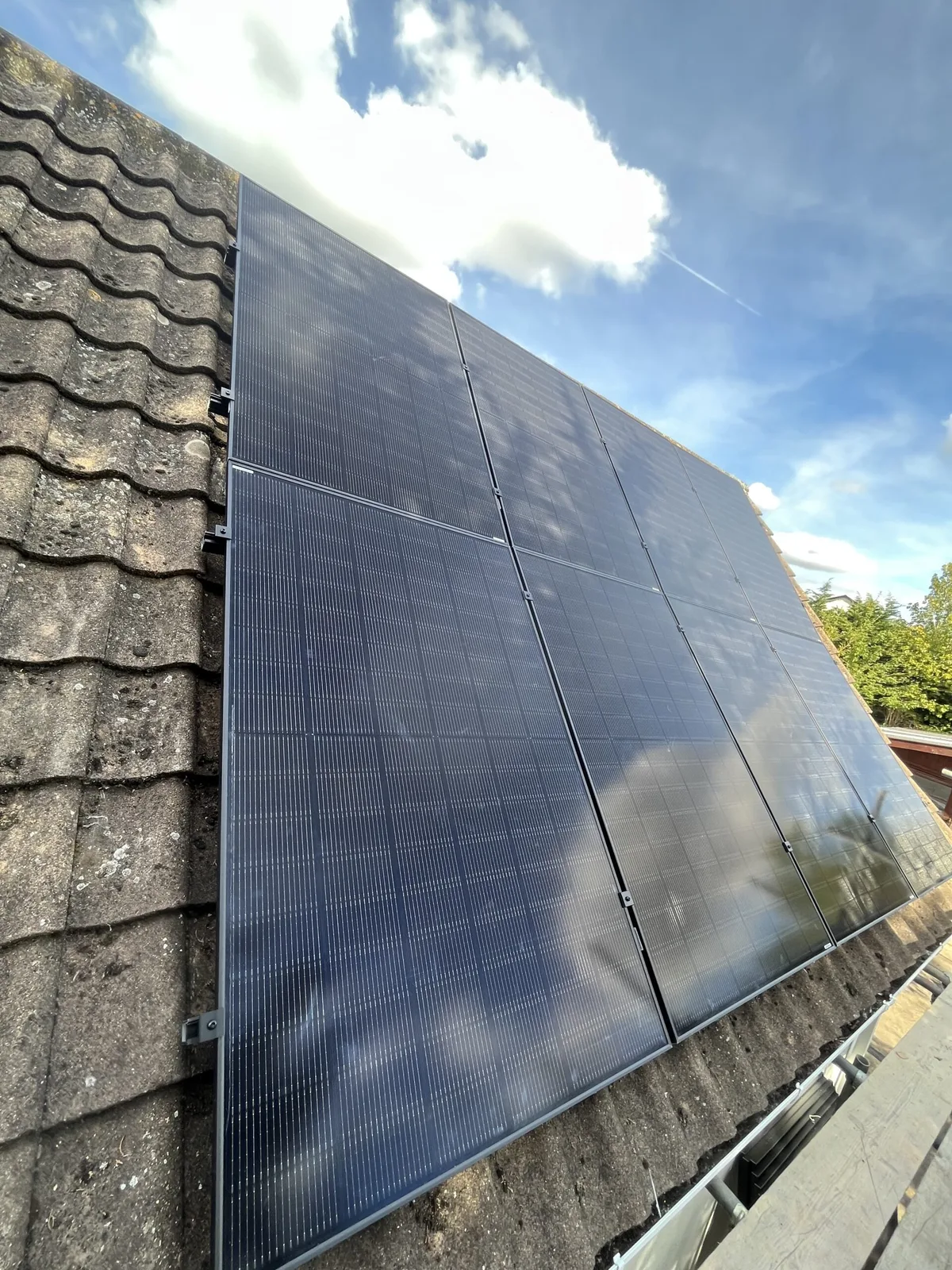
The surgery's roof sits at a steep 45° pitch, and it faces north-east and west. Not south, the direction most installers want before they'll quote confidently. A split like that is harder to design for, because the two faces peak at different times of day and it's easy to lose generation if you get the layout wrong. On top of that, this is a live surgery. Any install had to happen without disrupting patients or staff, and without the noise and mess of a big job landing in the middle of clinic hours.
A 53.3 kWp system, tuned to a split roof
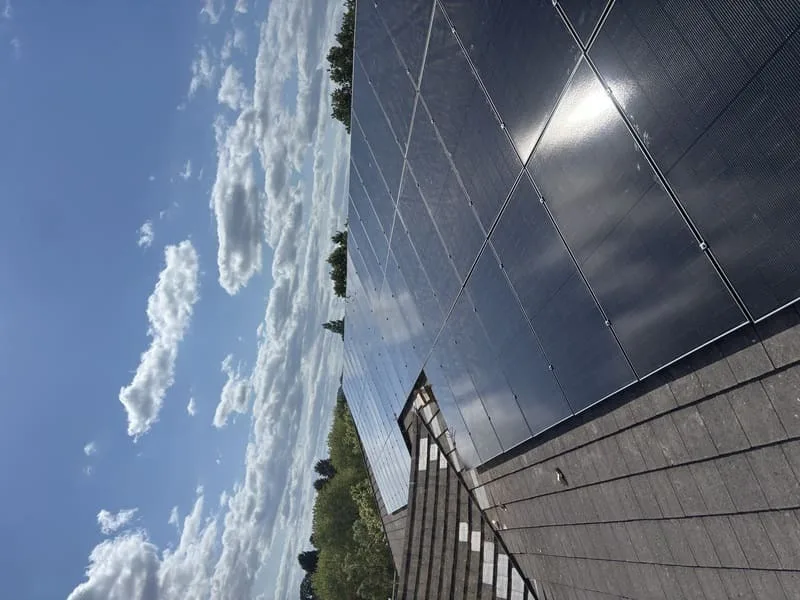
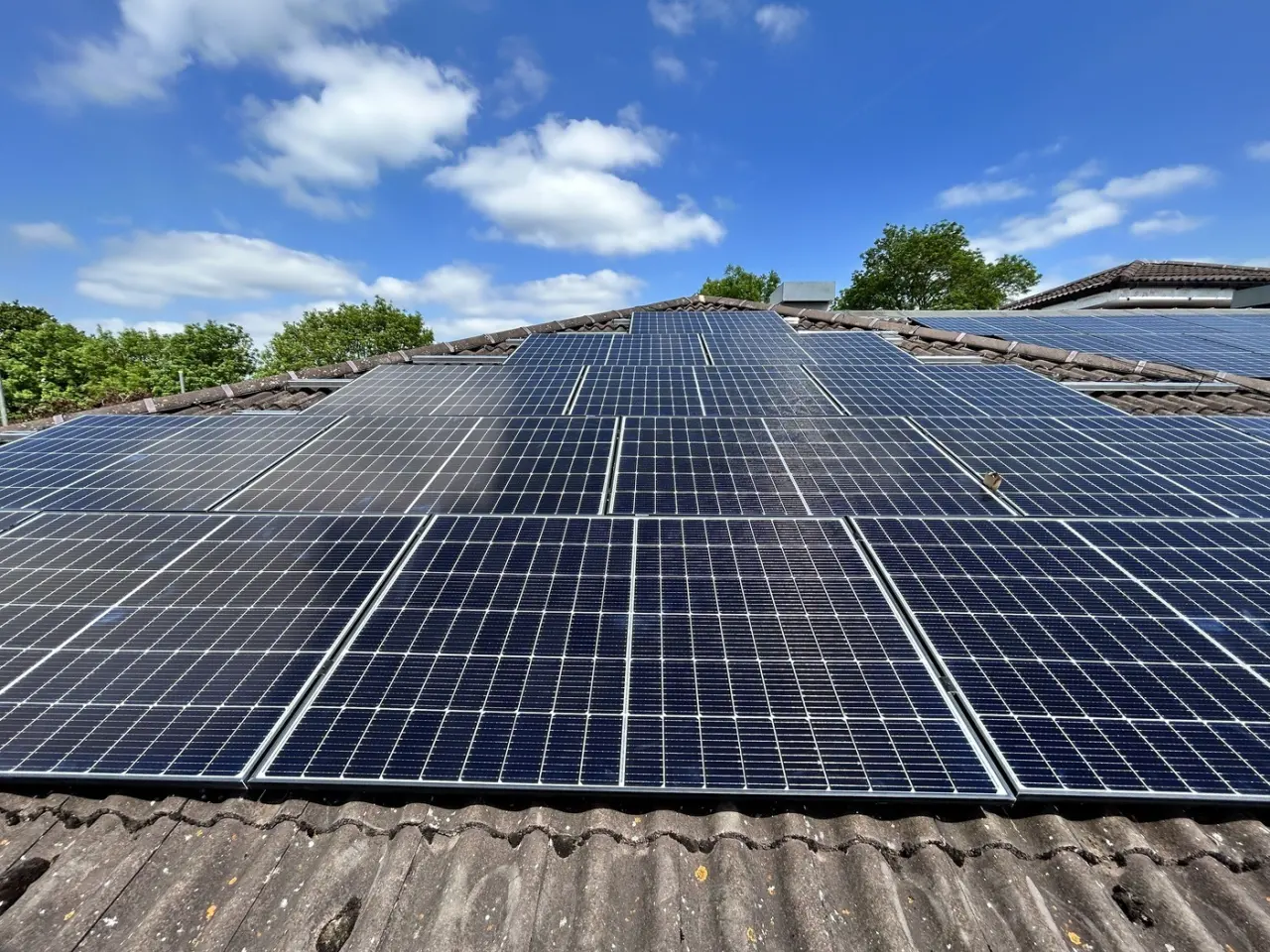
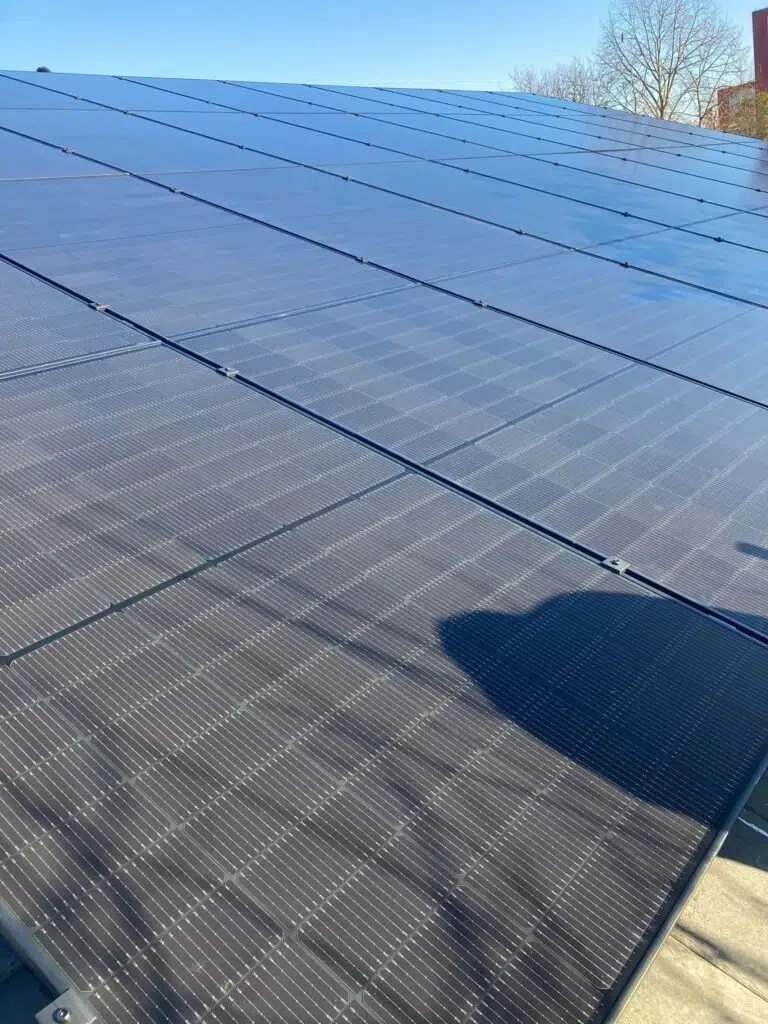
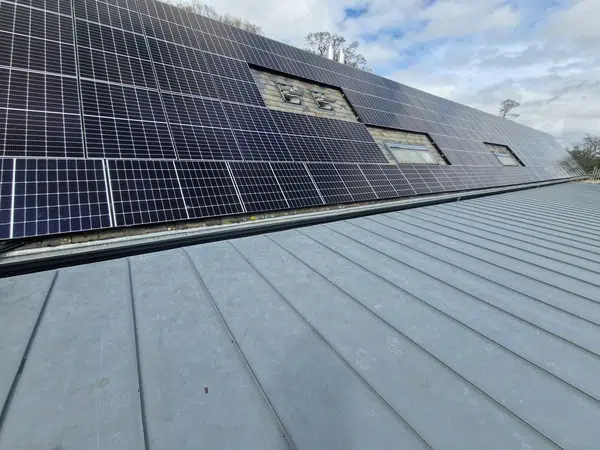
We didn't shy away from the roof. We designed around its angles. The layout was worked out to balance the north-east and west faces, so generation stays steadier across the day instead of spiking once and fading. We ran the whole job end to end, from consultation and planning through to install and commissioning, and scheduled the work to keep noise and interference to a minimum during surgery hours. The total came to £54,000, with room to add battery storage later as the surgery's needs change.
- 130 × Canadian Solar 410W panels (53.3 kWp total)
- 1 × Solis 50kW 3-phase inverter (SOL-S5-GC50K-DC)
- Laid out across a 45° roof split between north-east and west
- Installed around a working surgery with minimal disruption, and future-proofed for battery
More than a third of the surgery's power, from a roof nobody else wanted
The system now generates 55,000 to 58,000 kWh a year. That covers more than 35% of everything the surgery uses. In cash it works out at roughly £9,500 to £10,400 off the bill every year, close to £867 a month, and £240,000 to £260,000 across the system's life. The full £54,000 pays back in about five and a half to six years. After that it's near-free power, money the surgery can put straight back into patient care.
Generation and saving figures on this page are estimates, modelled from the system size and a typical UK yield. They are not meter readings. Your own figures depend on your roof, your usage and the weather in any given year, and we confirm them from a real assessment rather than a model.