





A church that pours its money back into the community
The Sacred Heart Church isn't just a place of worship. It's a community hub, and the money that comes through its doors is meant to go back out to the people it serves. So every bill it pays is money that can't do that work. The problem was the electricity bill. It had crept past £10,000 a year, and it kept climbing. For a church running on donations, that's a serious drain, and it was only heading one way.
Every pound on the meter is a pound off the mission
A church doesn't have a factory's budget or a corporate energy contract. It has a roof, a congregation, and bills that don't care about either. The team had a fair question that a lot of community buildings ask before they call anyone. Does solar actually stack up for a building like ours, or is it a nice idea that never pays for itself? They needed real numbers, not a sales pitch, and they needed the answer to protect the money that keeps the community work going.
A 20 kW rooftop system, sized to the church's real use
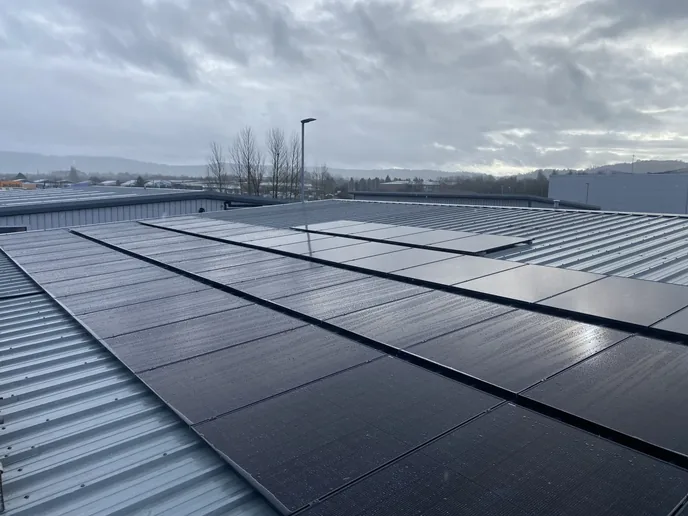
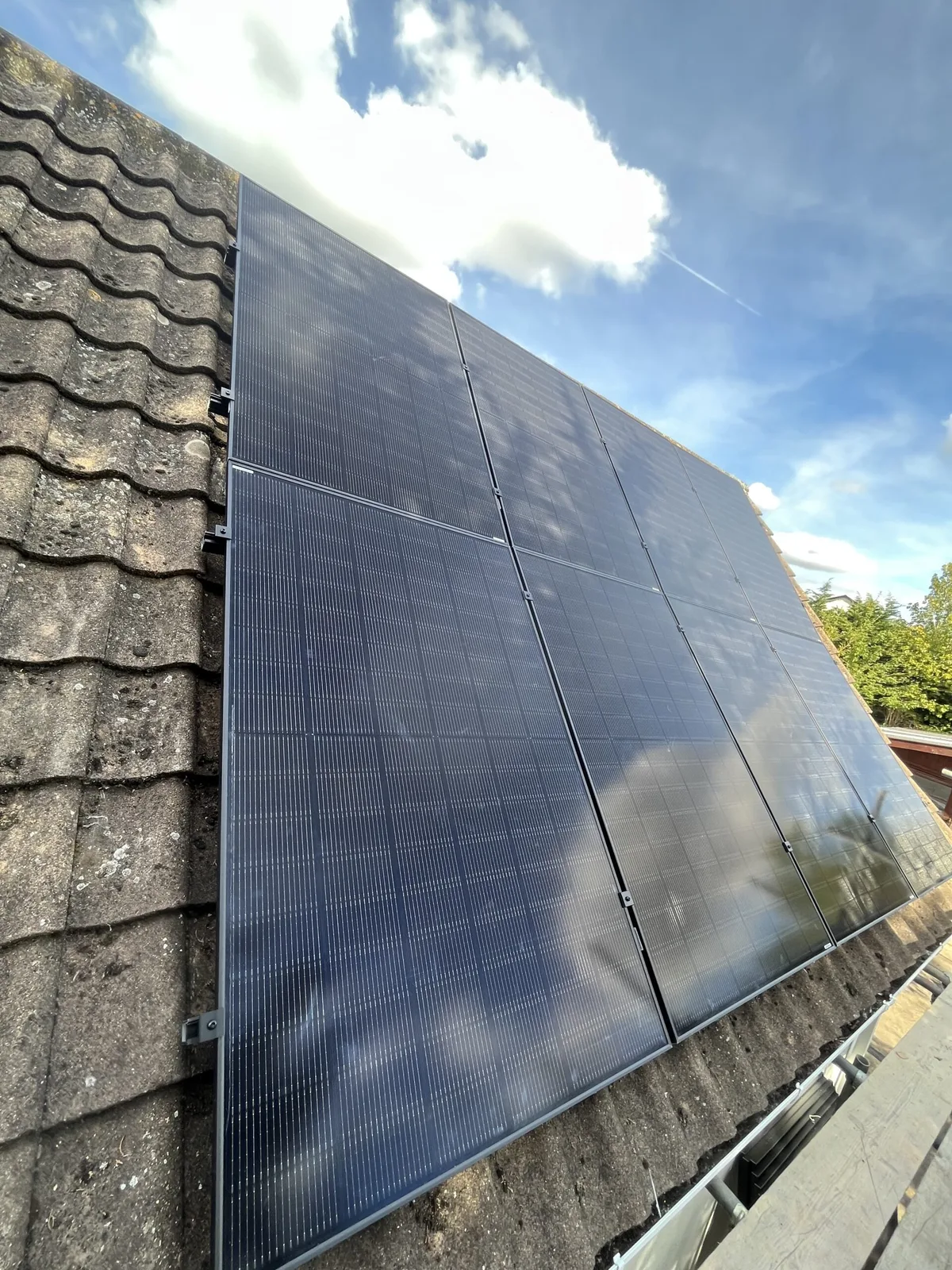
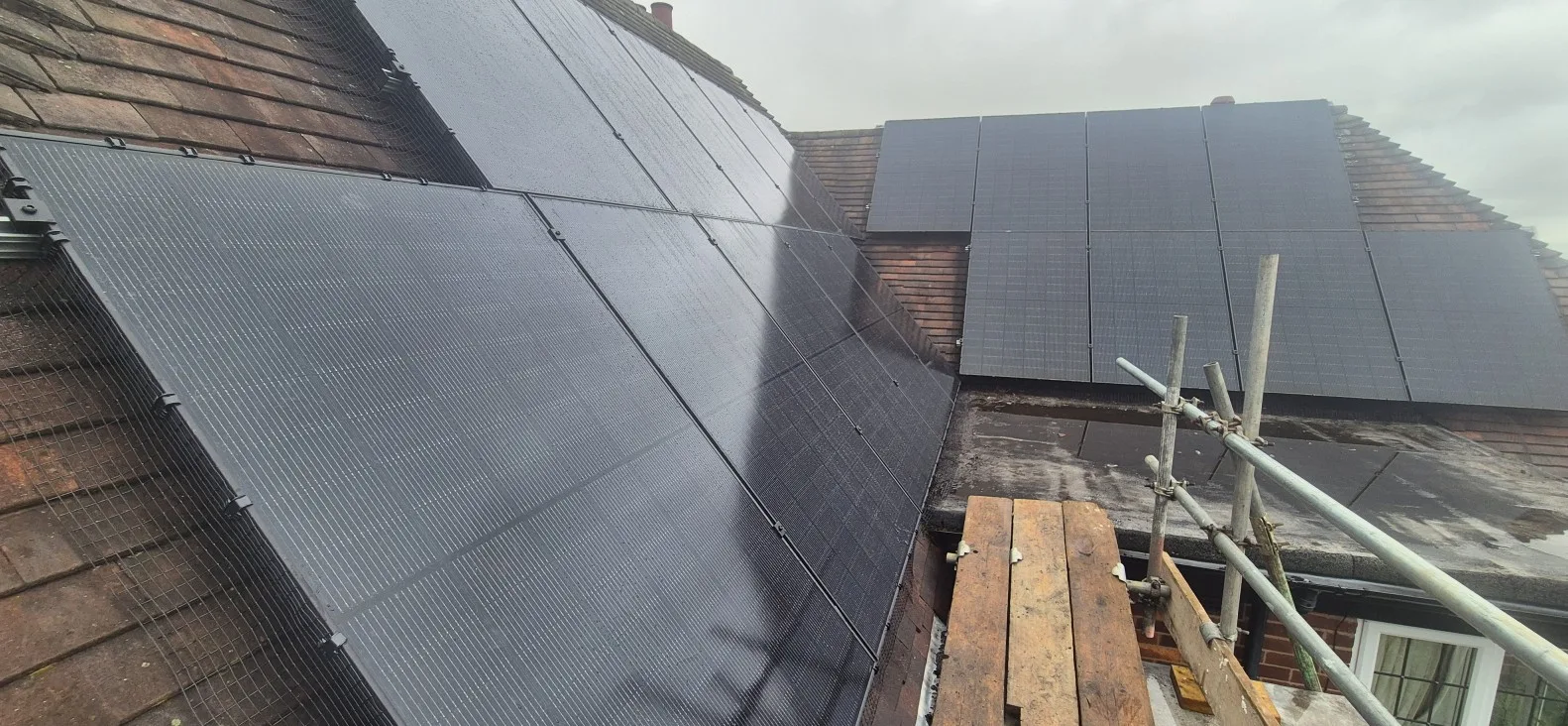
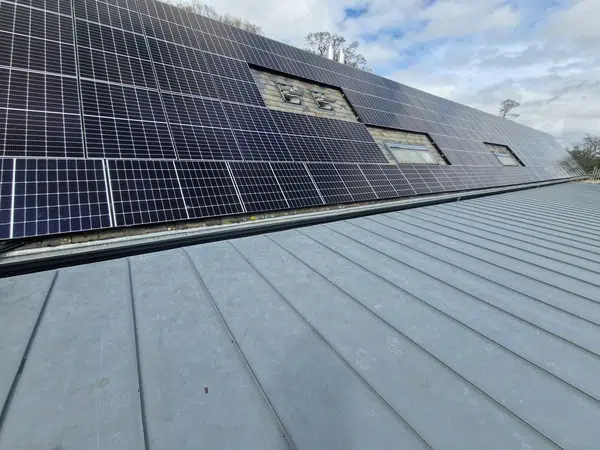
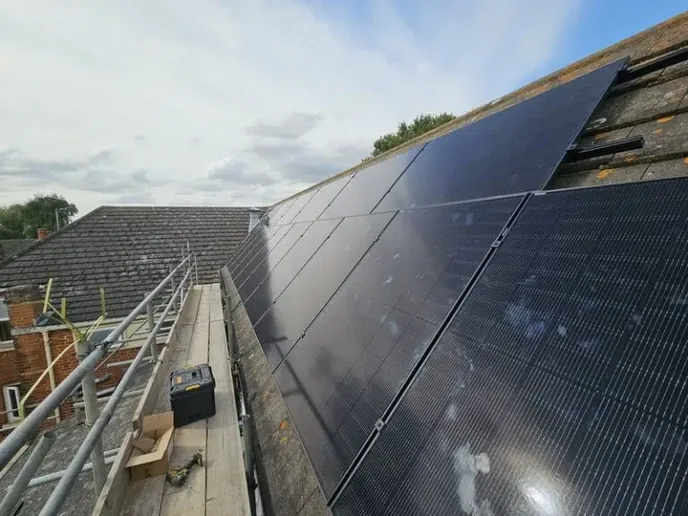
We looked at how the church actually uses power across the day and sized the system to match it, then ran the whole job from site visit and design through to install and commissioning. The array puts 52 panels on the roof, generating clean power in the daytime when the building is in use and the bills are highest.
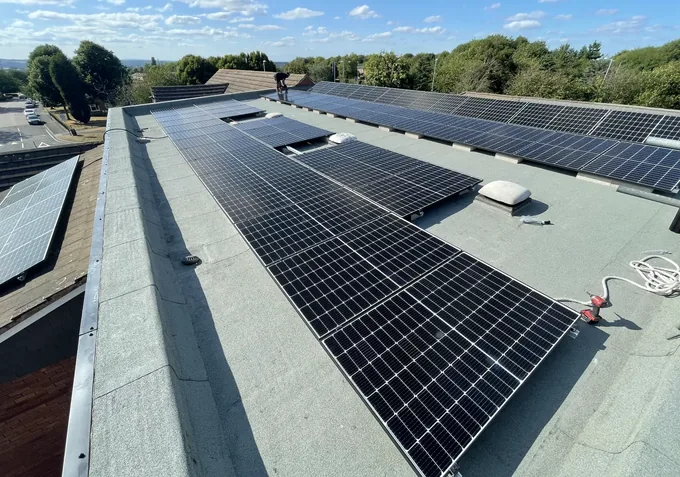
- 52 × 385W panels (about 20 kWp total)
- 20 kW rooftop system, laid out for the church's daytime demand
- Site visit, design, install and commissioning handled end to end by Solar4Good
The power bill cut by nearly two-thirds
The church's electricity bill fell from over £10,000 a year to about £3,800. That's a 62% cut, and £6,200 back in the church's hands every year. That money doesn't vanish into an energy company now. It goes where the church always wanted it to go, into the community it serves. And the building runs on cleaner power while it does. Over the system’s 25-year life that is roughly £75,000 to £100,000, on an install that typically pays for itself in five to six years.
Generation and saving figures on this page are estimates, modelled from the system size and a typical UK yield. They are not meter readings. Your own figures depend on your roof, your usage and the weather in any given year, and we confirm them from a real assessment rather than a model.