





A family home in Slough with a car to charge as well
Daljit wanted the full set in one go: solar, battery storage and home EV charging. There is an electric vehicle in the household, which changes the arithmetic. A car is a large, flexible load that can be shifted to whenever the roof is generating, so it turns generation that would have been exported cheaply into miles that would otherwise have been bought as petrol.
Use the power at home rather than selling it at 7p
Exported electricity earns about 7p a unit. The same unit used in the house saves nearly 25p, and used in the car it replaces petrol, which is worth more again. So the priority was self-consumption, not raw generation. That is harder than it sounds, because panels, battery and charger supplied as three separate products do not coordinate. Each one optimises for itself, and the surplus leaks out to the grid anyway.
One Sigenergy platform running all three
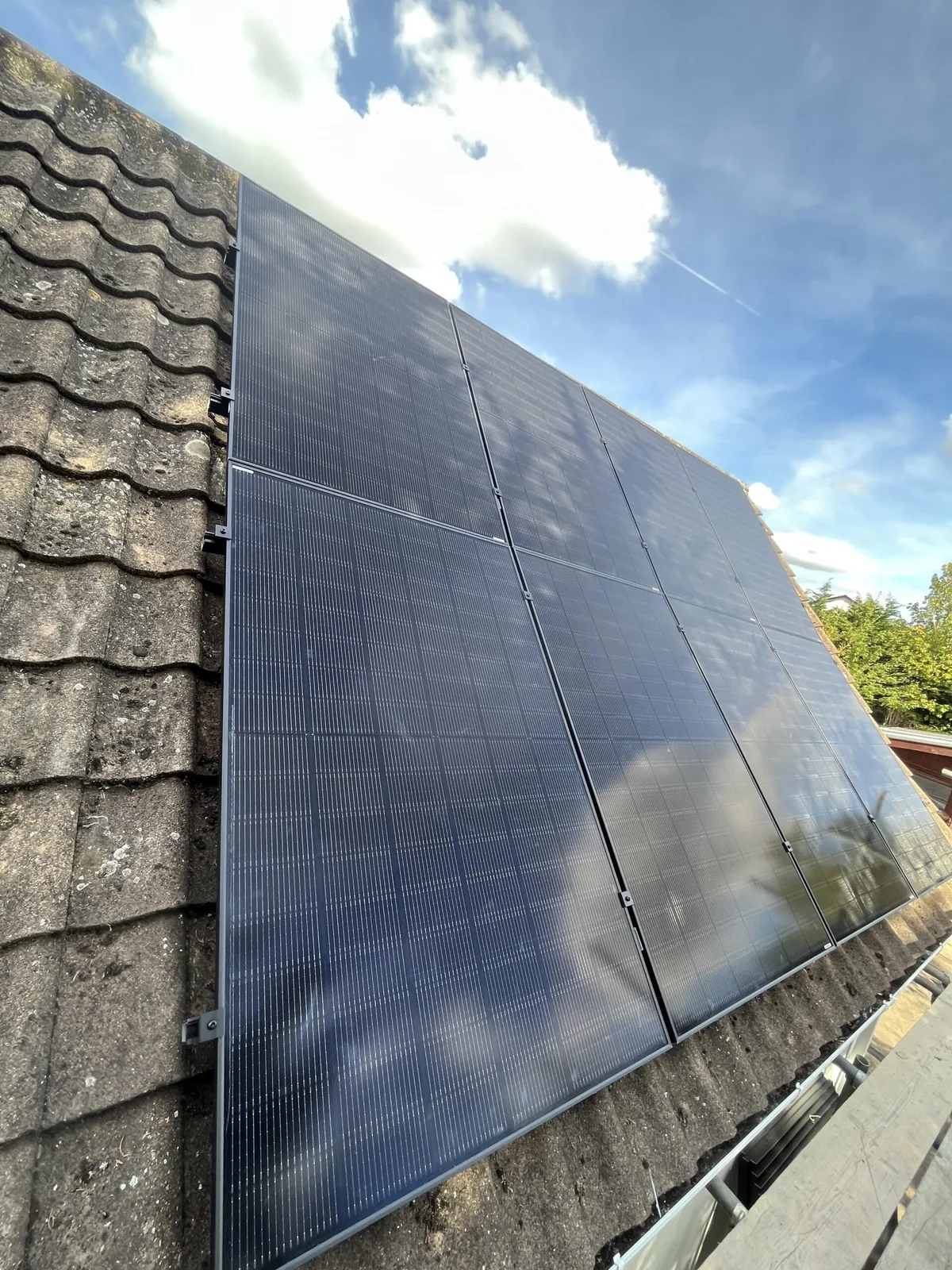
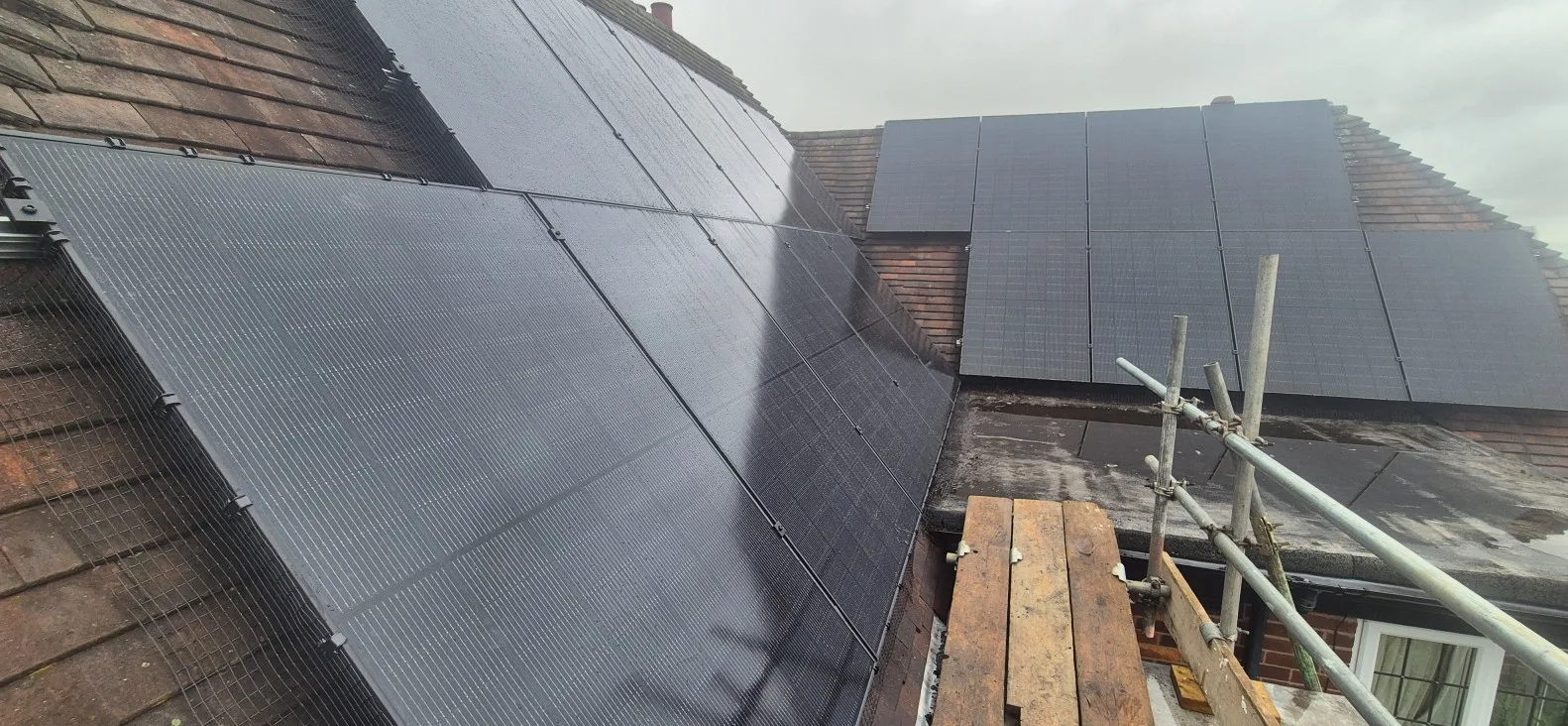
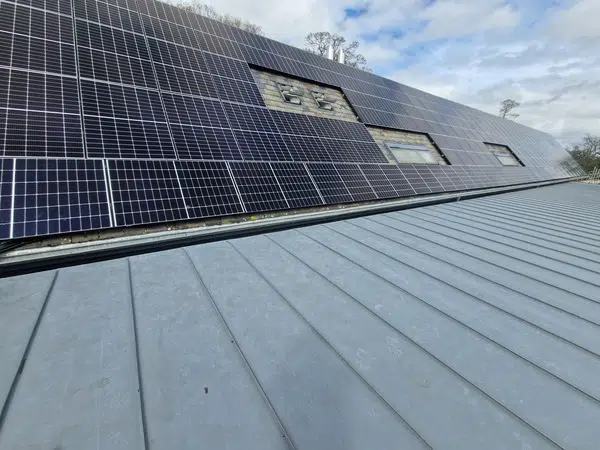
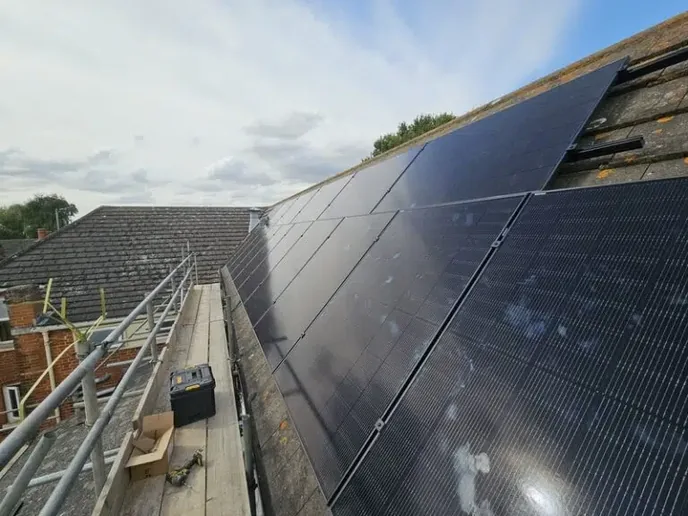
We installed the whole thing as a single managed system rather than three. Twenty Aiko 510W panels, 10.2 kWp, feed a SigenStor EC 10.0SP hybrid inverter with two SigenStor BAT 10.0 batteries, 18 kWh of usable storage. A Sigen HomeMax gateway and a Sigenergy 7kW AC charger sit on the same platform, so panels, battery and car are one system under one app. It is configured to fill the house battery and the car before exporting anything. Installed cost £15,900.
- 20 × Aiko 510W solar panels (10.2 kWp total)
- SigenStor EC 10.0SP hybrid inverter
- 2 × SigenStor BAT 10.0, 18 kWh usable storage
- Sigen HomeMax gateway and a Sigenergy 7kW AC EV charger on the same platform
- Configured to charge the home battery and the car before exporting
Over two thirds used at home, before counting the petrol
Daytime generation now charges both the home battery and the car, which lifts self-consumption to around 68%. The system generates about 9,690 kWh a year and saves roughly £1,850, about £154 a month, or in the region of £46,000 over 25 years, paying back in eight to nine years. That figure counts electricity only. The fuel the EV charging replaces is a separate saving on top, and is not included anywhere on this page.
Generation and saving figures on this page are estimates, modelled from the system size and a typical UK yield for the location. They are not meter readings. Generation is system size in kWp multiplied by regional specific yield. Savings count self-consumed units at the 24.67p/kWh Ofgem residential rate and exported units at 7p/kWh, over 25 years with no tariff rises applied. Carbon uses 0.21 kg CO₂ per kWh displaced, and trees are illustrative only. Your own numbers depend on your roof, your consumption and your tariff at the time of install.