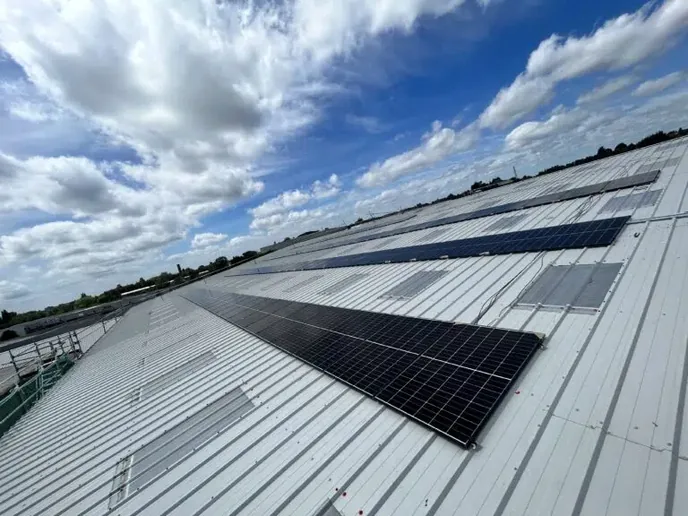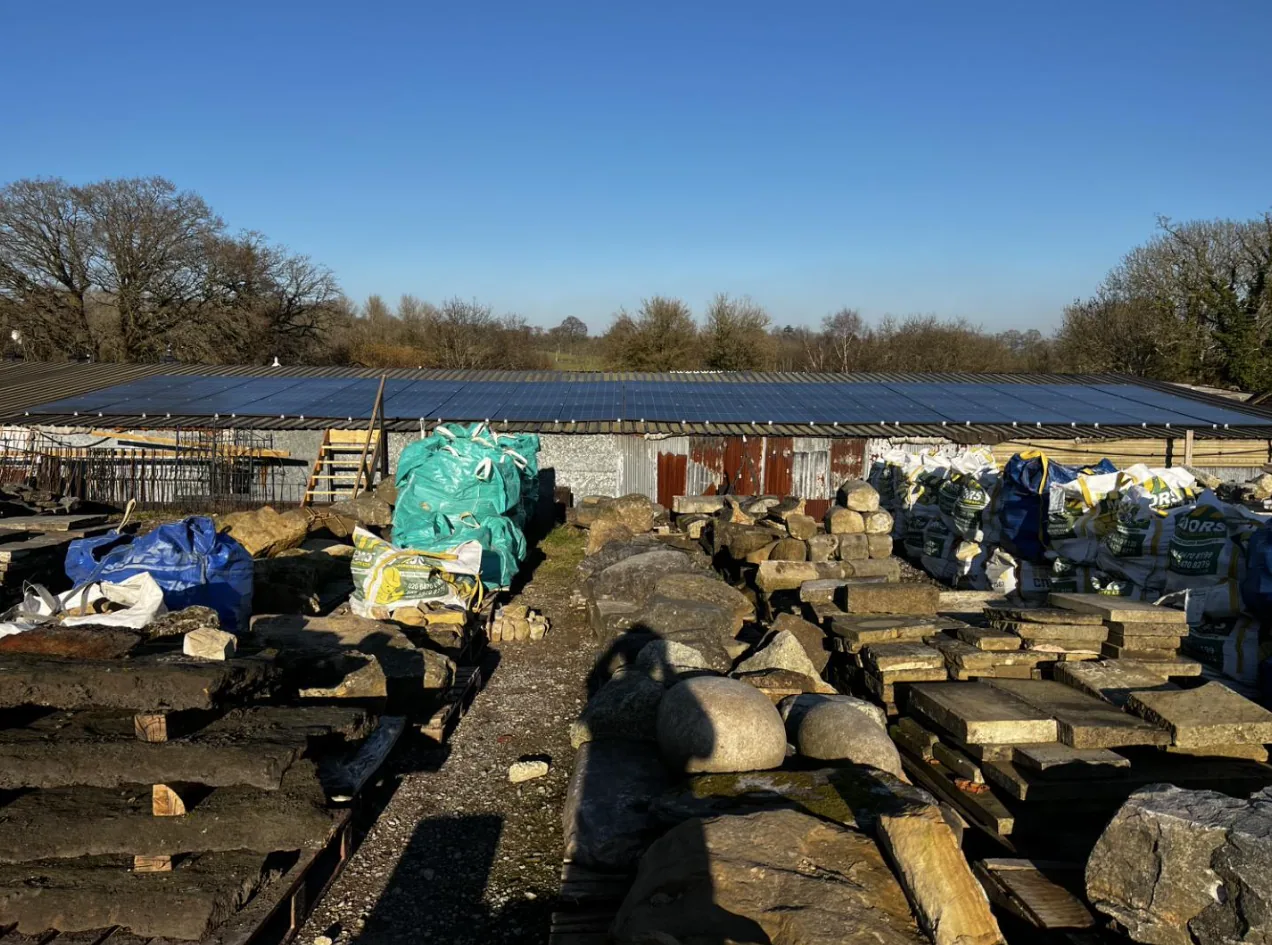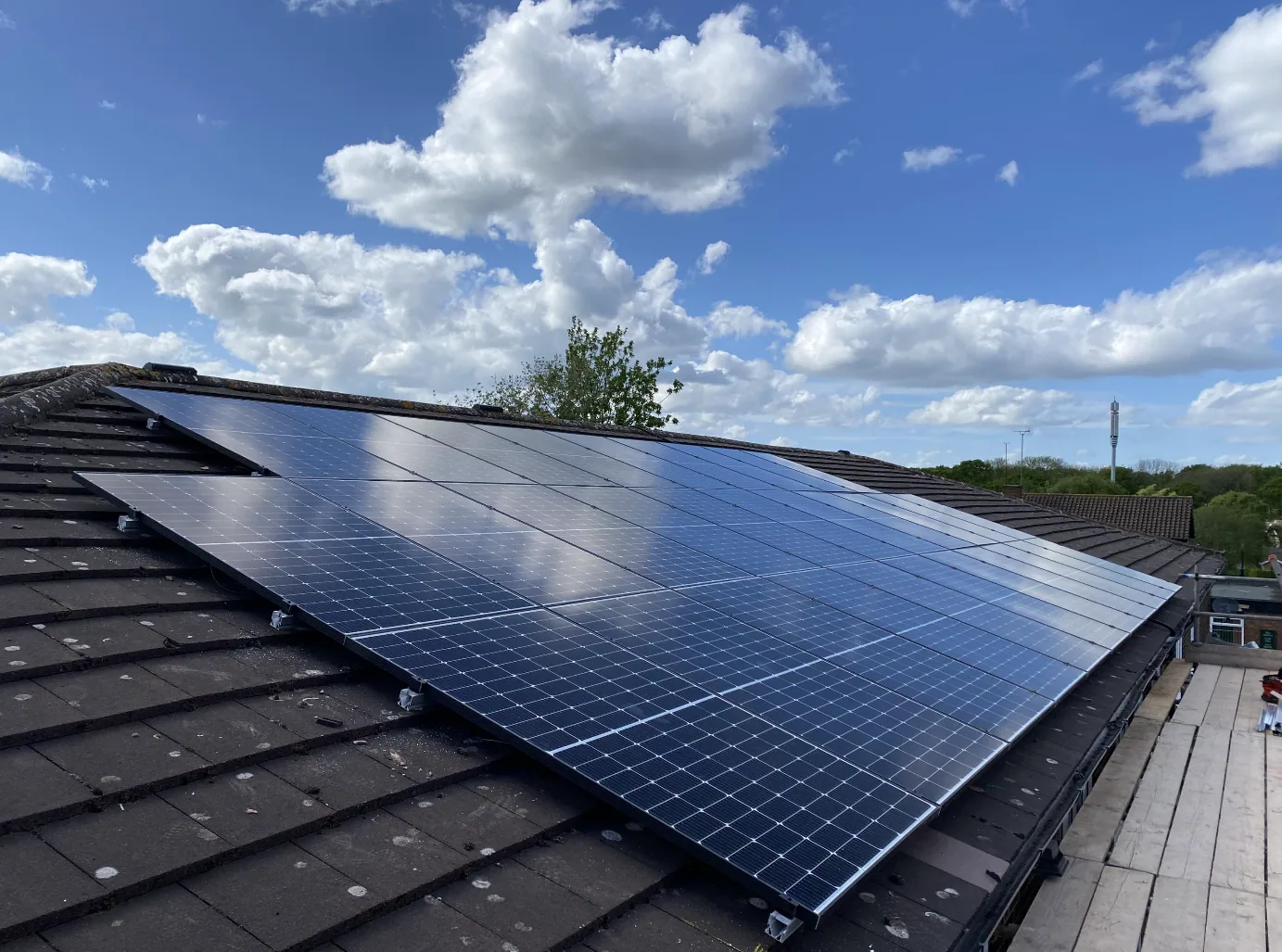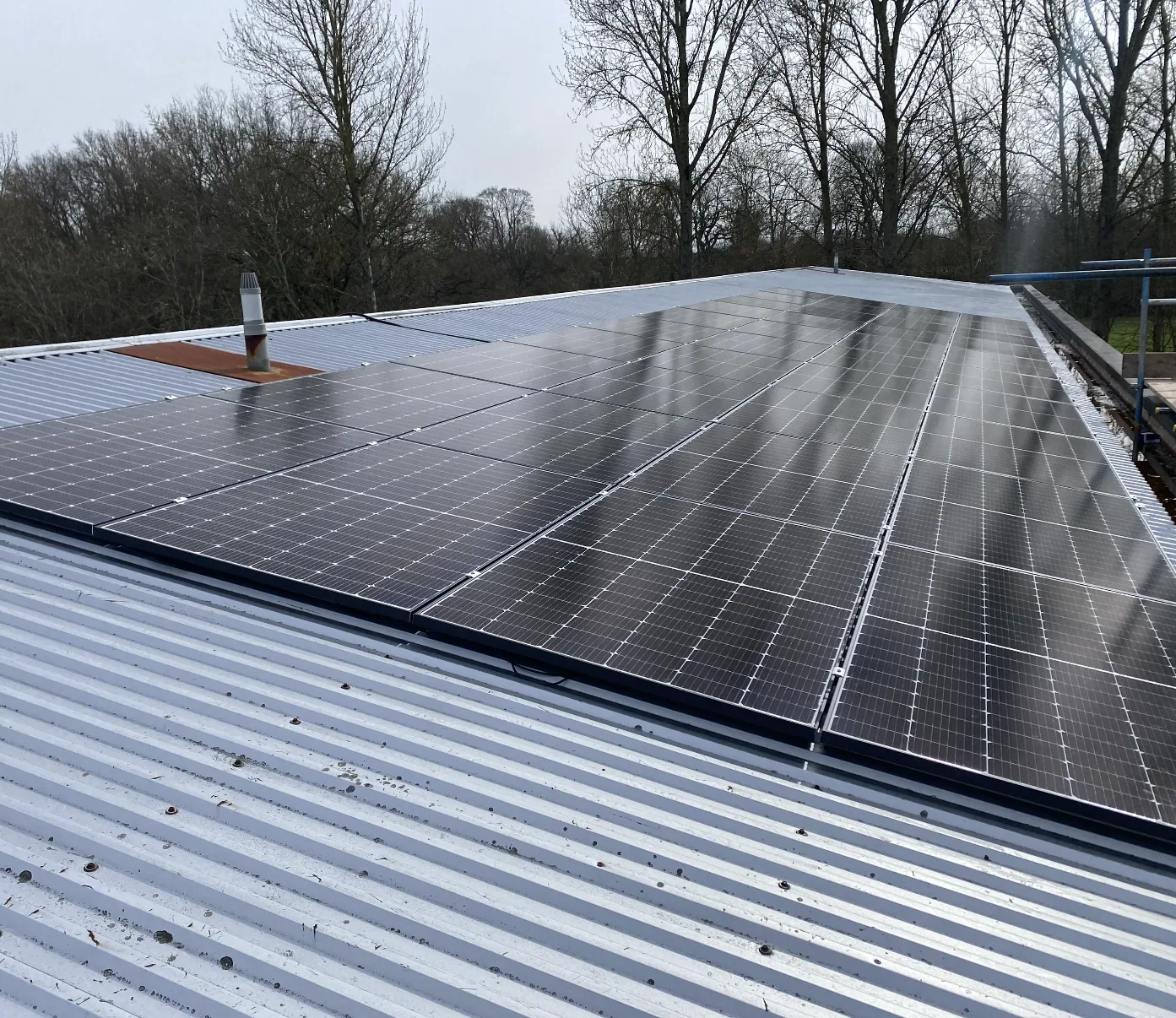
*Dependent on the customer’s consumption, generation and electricity cost at the time of install.
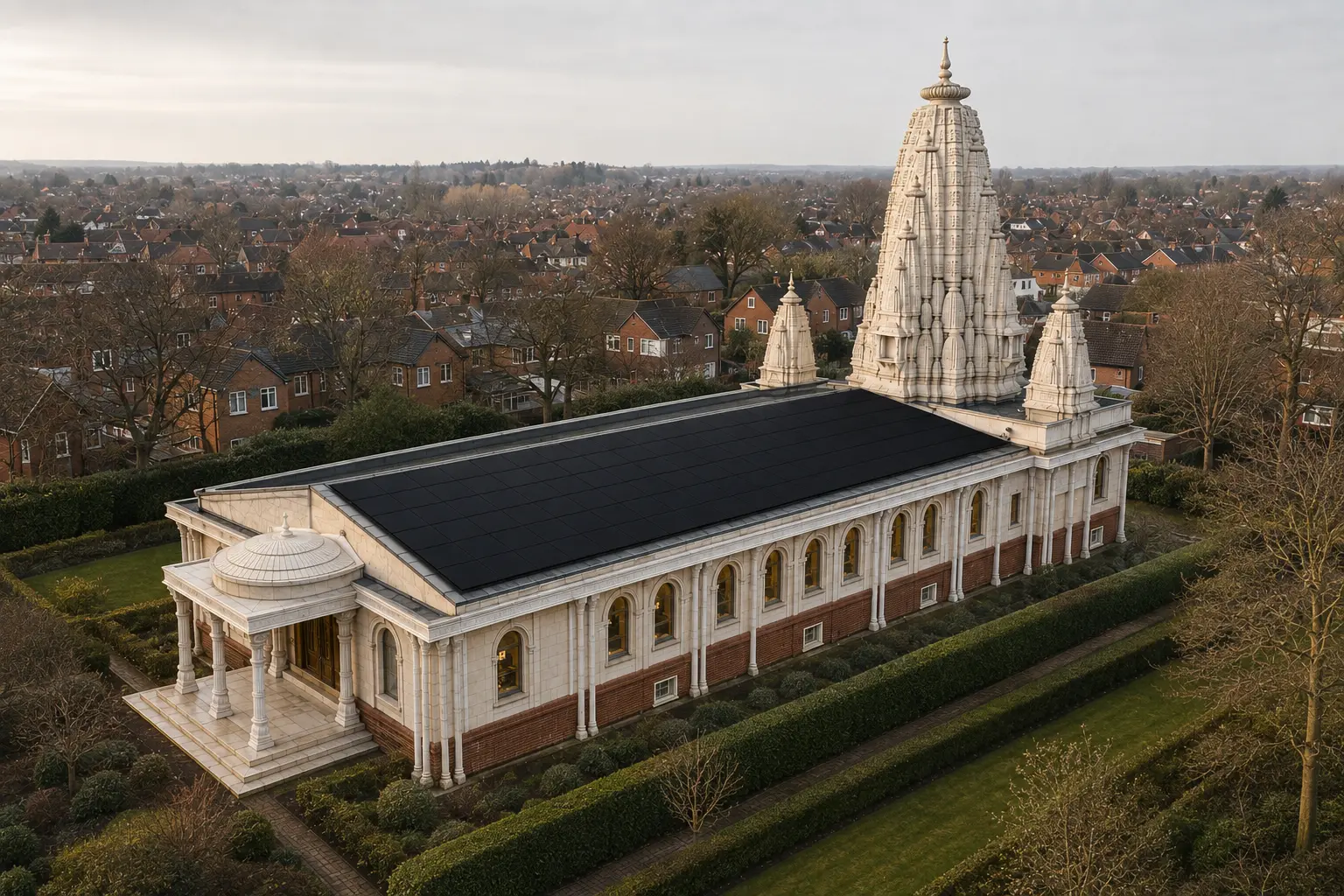
For a Jain community, reducing harm to all life is not a slogan, it is the principle you live by. Solar is that principle on the roof: clean power that spares the planet the pollution of the grid. A derasar's daily rituals, lighting, heating and community spaces draw power through the day, exactly when panels generate. A comparable place of worship we powered now makes around 70% of its own power and keeps £136,000 in the community.
Ahimsa, non-harm to all living beings, sits at the heart of Jain life, and it doesn't stop at the temple door. The electricity a derasar draws from the grid carries the harm of how it was made. Solar removes that: clean power generated on your own roof, sparing the environment and every living thing the pollution of fossil generation. For a Jain community, going solar isn't only financial, it is a direct expression of the values you hold.
It is practical too. A derasar's rituals, lighting, heating, hot water and community spaces draw power through the day, much of it in daylight, exactly when panels generate. So most of what you make is used in the temple rather than sold cheaply to the grid, and a comparable place of worship we powered now makes around 70% of its own power.
Solar also sits with aparigraha, using only what you need and wasting nothing. A system installed today generates for 25 years or more, on a payback of roughly six to seven years, then it is close to free power. Because a derasar is community-funded, every pound saved is a pound that stays with the community and its causes rather than the energy company.
We handle the practical side with care and respect for the space, planning the work around rituals and community use, and design a discreet layout. Pairing panels with battery storage keeps essentials running through a grid event.
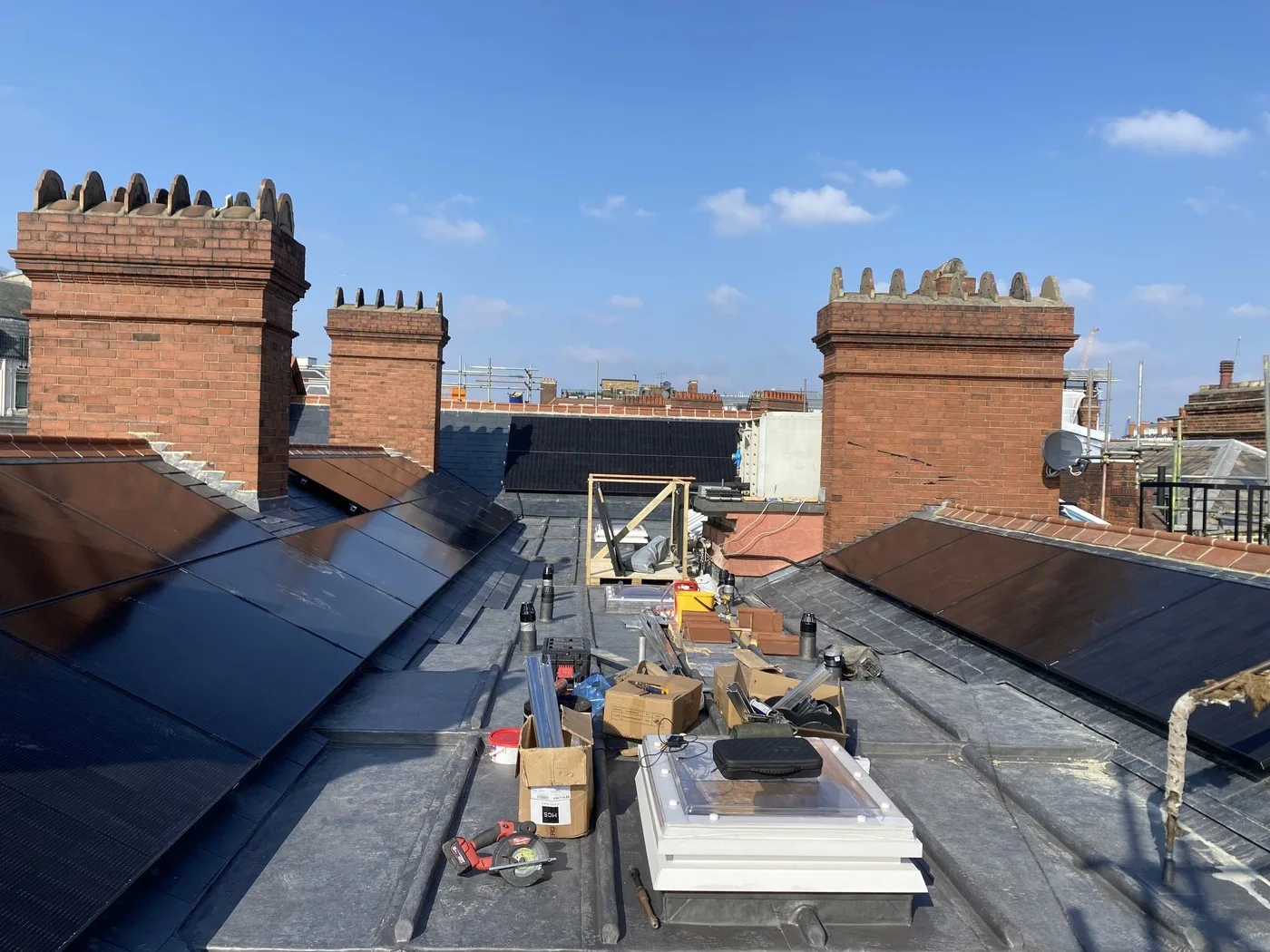
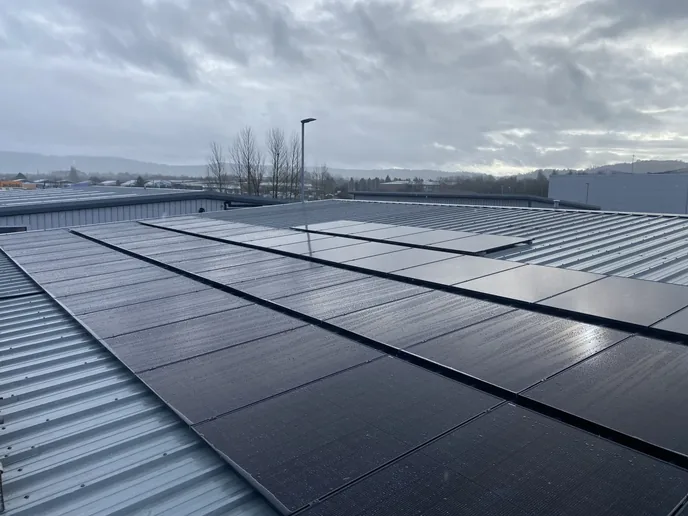
We will not pretend we have already done a derasar. Here are the real numbers from a community place of worship with a similar daily profile, a busy Brent mosque, the kind of figures we will model for your temple before you commit to anything.
Clean power on the roof spares the environment the harm of grid electricity, and a comparable place of worship is on track to keep £136,000 in the community over the life of its system. We would model your derasar exact numbers, and put them in front of you before you commit, not after.
See solar for all places of worship.
SDistribution51.6 kWp
AIndustrial70%bill cut
ORetail68%bill cut
RServices67%bill cut
JConstruction60%bill cut
FHealthcare67%bill cutA starting point, not a straitjacket. Every real system is sized to your roof, your load and your payback target after a proper site visit.


A solar installation on a working Jain temple is a different job from a home system. One team, in-house, from first site visit to switch-on, and we plan the work around your shifts so worship carries on.
The questions Jain temple and derasar committees actually ask before putting solar on the roof.
It fits them closely. Ahimsa is about reducing harm to all life, and grid electricity carries the harm of how it is generated. Solar removes that at source: clean power made on your own roof, sparing the environment. It also sits with aparigraha, using only what you need and wasting nothing. For many Jain communities, going solar is a direct expression of the faith.
We will be honest: not yet, so we will not quote you a derasar we have not done. What we can show you are real results from community places of worship with a similar daily profile, like a Brent mosque on track to keep £136,000 over its life. We would assess and model your temple own numbers first.
Every temple is different, so we size and price it to your roof and how you use power, then show you what it gives back. As a community-funded building you may also have access to grants and funding routes, and because it is a long-term, income-generating asset it stays gentle on the community budget.
It doesn't have to. Almost all of the work happens on the roof, away from the sanctum and prayer spaces. We plan around rituals, festivals and community use, isolate only what we must and only when agreed, and keep the temple running. Zero disruption to worship is the target we plan to hit.
Paired with battery storage, yes, for essential load. Lighting, heating and sound can carry worship through a grid event on stored solar. We design the system around what your temple cannot afford to lose.
Yes. A larger system needs approval from your Distribution Network Operator, and we manage that application and all certification for you, so you get a signed-off, compliant system without the paperwork.
“George the sales chap was straightforward and honest, and the whole installation team were awesome, courteous and professional throughout.”
“From start to finish the whole job has been seamless. The install guys were polite, knowledgeable and efficient.”
“I wholeheartedly recommend this company for solar and battery storage installation.”
Solar for jain temples sits inside our wider commercial work. If you are comparing sectors, or your group runs more than one type of site, these are the closest neighbours.
Commercial solar, the full guide →The full guide: sizing, funding, planning and payback, designed and commissioned in-house.
SchoolsCut energy costs and free up budget, with PSDS and Salix funding routes.
Local councilsPSDS, Salix and PPA-funded solar across social housing and council estates.
Commercial case studies →Real installations across care homes, surgeries, hotels, retailers and mills.Tell us about your site and we'll model it properly: the right system for your roof, how much of your load it covers, the cut to your bill and the payback. Real numbers, before you commit to anything.