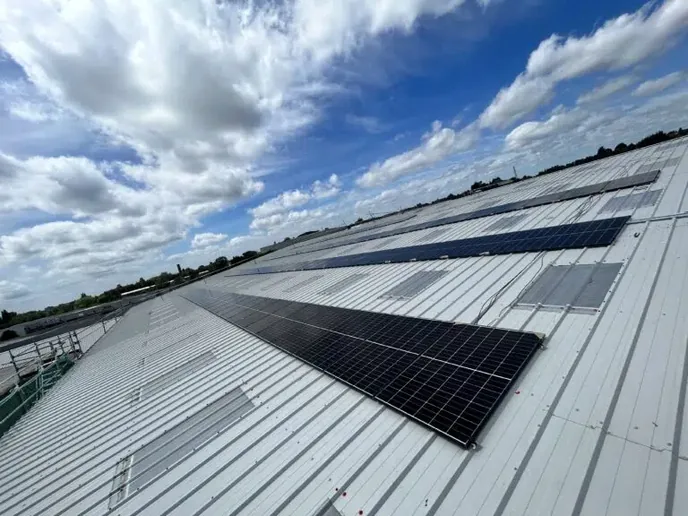
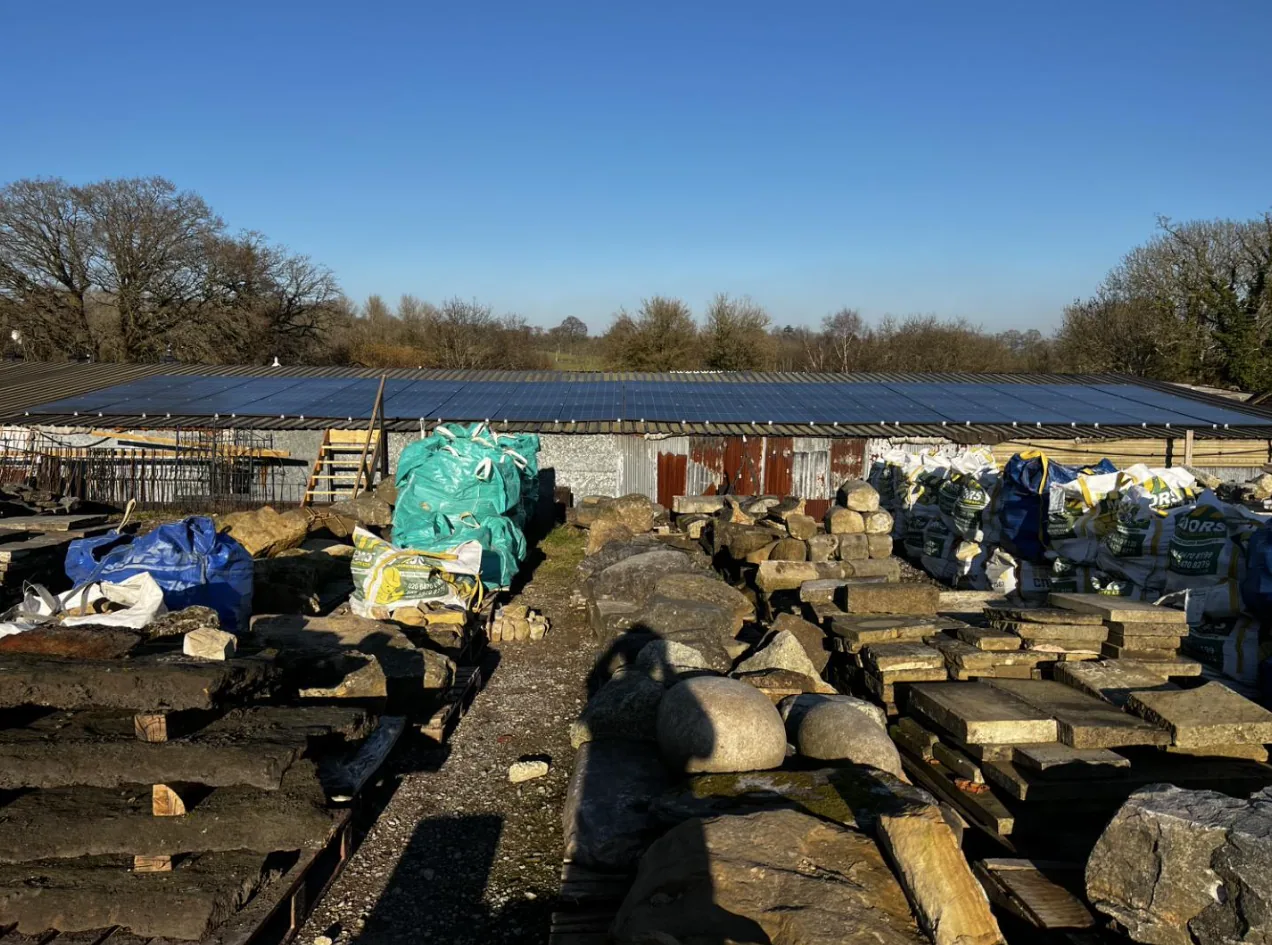
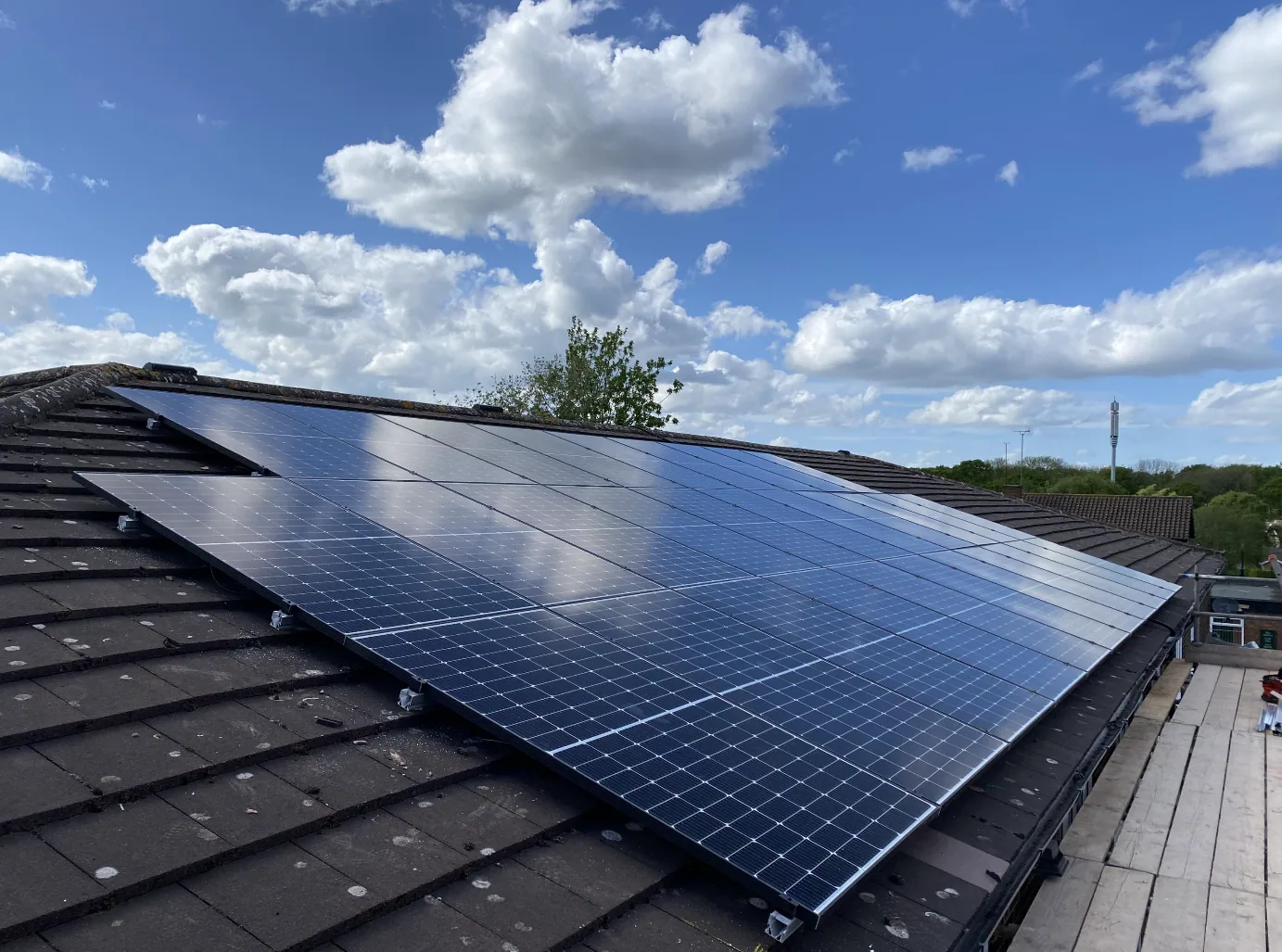
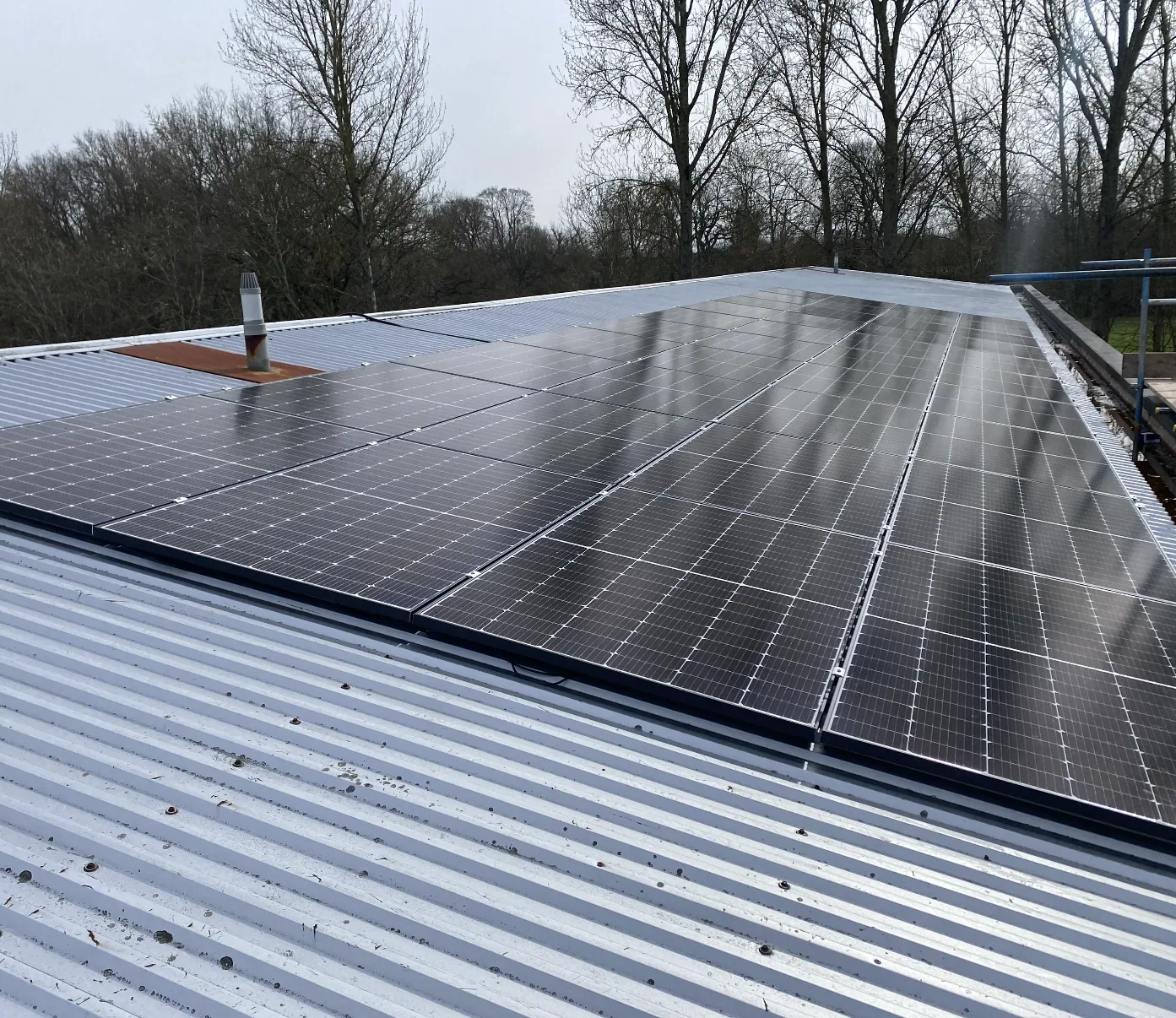
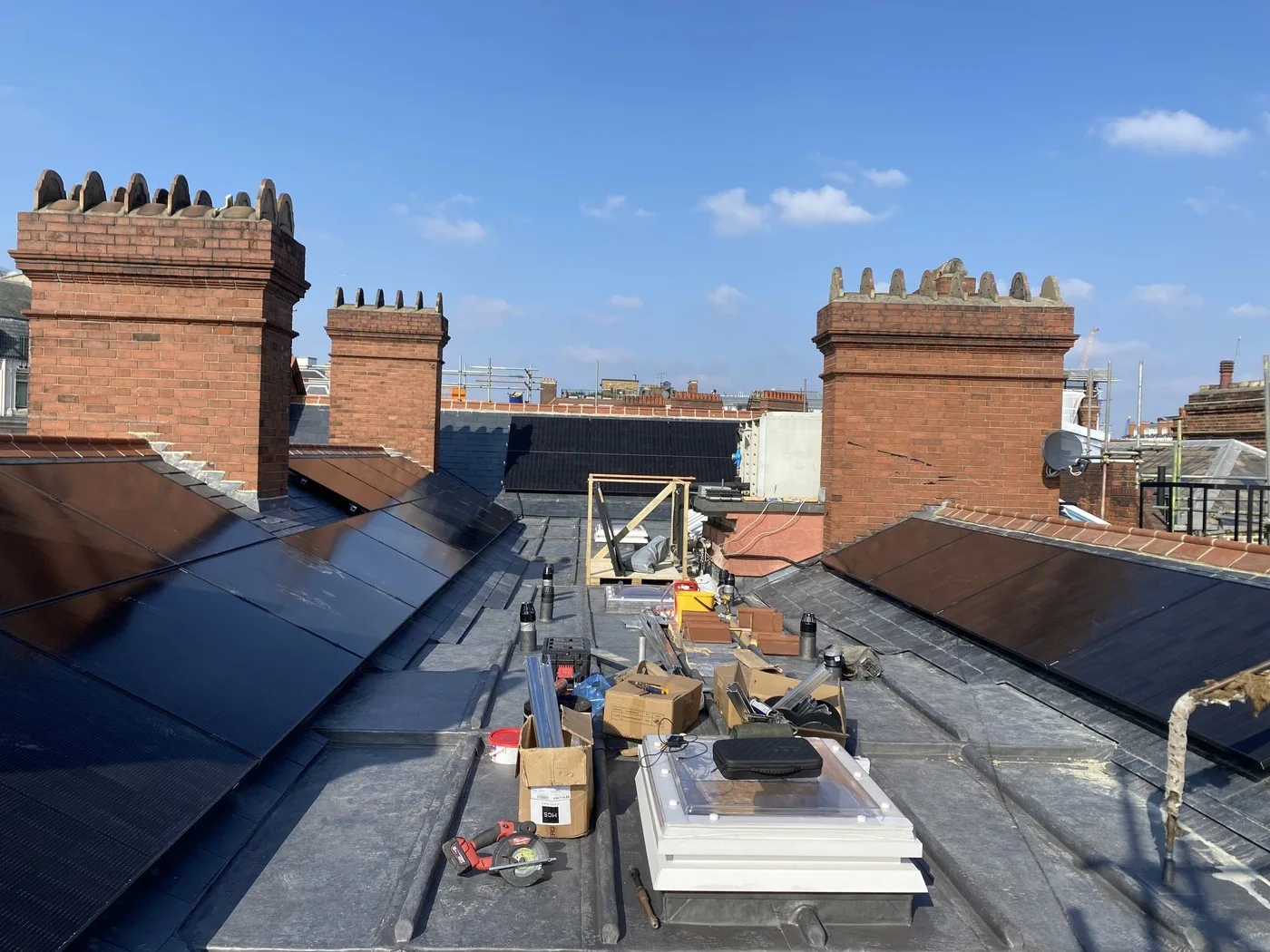
*Dependent on the customer’s consumption, generation and electricity cost at the time of install.
A school uses power when the sun is up: lights, IT suites, kitchens, heating and halls, all through the school day, then quiet in the evenings. That daytime demand is exactly when solar generates, so a school is one of the best fits for a roof of panels there is. Free the budget from a rising energy bill, and turn the roof into a living lesson in sustainability.
A school's load follows the sun. Lights, interactive whiteboards, IT suites, kitchens, heating and sports halls all draw power through the school day, Monday to Friday, and go quiet in the evening. That daytime, weekday demand lines up almost perfectly with when a roof of solar panels generates, so most of what you make is used in the building rather than exported. Add large, flat, unshaded roofs over classrooms and halls, and a school becomes one of the strongest cases for solar there is.
The money it frees is the pupils'. For a school, academy or MAT, every pound cut from a rising energy bill is a pound that can go into teaching, staff and facilities instead of the grid. And because the buildings are used almost entirely in daylight, the return is strong: you use what you generate, when you generate it.
Solar is more than a saving for a school. It is a visible, working example of the sustainability the curriculum teaches, something pupils can see, measure and learn from, and a clear signal to parents and governors of a school taking its responsibility seriously. It supports the push toward net zero across the education estate, and pairing panels with battery storage stores generation for use when the building needs it. That clean, renewable energy cuts the school's energy bills and carbon emissions, lifts its energy efficiency, and is a visibly sustainable choice.
The finance stacks up too. A well-sized system pays back in roughly five to six years, then generates for decades under a 25-year panel warranty, turning an unpredictable cost into a fixed, falling one. Schools also have access to public-sector funding and decarbonisation routes, and we will flag what typically applies.
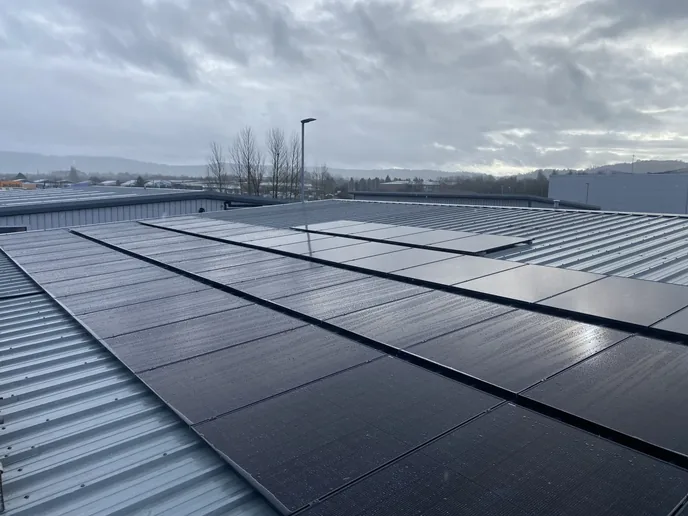
A school's weekday, daytime load looks a lot like a factory's, another building that uses power while the sun is up. We haven't yet put solar on a school, so we will show you the real numbers from a comparable daytime-load building we powered, the kind of figures we would model for your school first.
A comparable daytime-load building cut its electricity bill by 70% and it stays cut. A school, used almost entirely in daylight, is an even better fit. We would model your school's exact numbers, and put them in front of you before you commit, not after.
SDistribution51.6 kWp
AIndustrial70%bill cut
ORetail68%bill cut
RServices67%bill cut
JConstruction60%bill cut
FHealthcare67%bill cutA starting point, not a straitjacket. Every real system is sized to your roof, your load and your payback target after a proper site visit.


A solar installation on a working school is a different job from a home system. One team, in-house, from first site visit to switch-on, and we plan the work around your shifts so lessons carry on.
The questions bursars, business managers and MATs actually ask before putting solar on a school.
It suits it unusually well. A school uses most of its power in the daytime, Monday to Friday, which is exactly when solar generates, so most of what you make is used on site rather than exported. Add large, flat roofs over classrooms and halls and the fit is one of the best there is. Battery storage helps balance term-time and holiday use.
We'll be honest: this is a growing part of our work, and we won't quote you a school we haven't done. What we can show you are real results from comparable daytime-load buildings, like a factory that cut its bill 70%. We would assess and model your school's own numbers first.
Every school is different, so we size and price it to your roofs and how you use power, then show you what it gives back. Schools, academies and MATs may also have access to public-sector funding and decarbonisation routes, and we'll flag what typically applies before you commit.
It doesn't have to. Almost all of the work happens on the roof, away from classrooms, and we plan around the school calendar, working in holidays and around timetables wherever possible. We isolate only what we must and only when agreed, and keep the school running. Zero disruption to lessons is the target.
Yes, and many schools want exactly that. A live generation display turns the system into a working lesson in sustainability that pupils can see, measure and learn from, supporting the curriculum and your wider net-zero commitments.
Yes. A larger school system needs approval from your Distribution Network Operator, and we manage that application and all certification for you, so you get a signed-off, compliant system without the paperwork.
Yes. Alongside primary and secondary schools we install for sixth-form colleges, further-education campuses and universities, where the weekday, daytime demand of lecture halls, labs, IT and catering lines up closely with when a roof generates. Student accommodation is a strong case too, and as residential buildings it usually qualifies for the 0% VAT relief on the installation, unlike most commercial premises. We size each site to its own load and roof, whether it is a single school block or a multi-building higher-education estate.
“George the sales chap was straightforward and honest, and the whole installation team were awesome, courteous and professional throughout.”
“From start to finish the whole job has been seamless. The install guys were polite, knowledgeable and efficient.”
“I wholeheartedly recommend this company for solar and battery storage installation.”
Solar for schools sits inside our wider commercial work. If you are comparing sectors, or your group runs more than one type of site, these are the closest neighbours.
Commercial solar, the full guide →The full guide: sizing, funding, planning and payback, designed and commissioned in-house.
Care homesRound-the-clock demand, so more of what you generate is used on site.
Local councilsPSDS, Salix and PPA-funded solar across social housing and council estates.
Commercial case studies →Real installations across care homes, surgeries, hotels, retailers and mills.Tell us about your site and we'll model it properly: the right system for your roof, how much of your load it covers, the cut to your bill and the payback. Real numbers, before you commit to anything.