The most popular entry-level residential system in the UK, sized for 2 to 3 bed terraced and semi-detached homes. It sits just below where battery economics start to make sense, and a 5 kWh battery is the most common upgrade at the design stage.
Illustrative only. Your free assessment confirms the exact figures for your home.
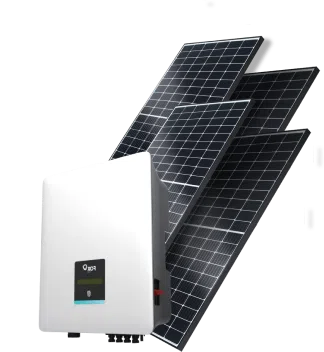
3kW · 8 panelsA 3kW solar system is one of the most popular entry-level residential configurations in the UK. It uses 8 panels across 18 to 24 square metres of roof and is sized for 2 to 3 bed terraced and semi-detached homes with annual electricity use of 2,500 to 3,500 kWh. It sits just below the threshold where battery economics start to make sense, which makes it a strong match for first-time solar customers.
Adding a 5 kWh battery lifts annual self-consumption noticeably and is the most common upgrade requested at the design stage. The inverter is hybrid-ready as standard, so a battery can be retrofitted later without changing the inverter or rewiring the system, and all paperwork and grid approvals are handled by Solar4Good on your behalf.
Indicative figures for a 3kW system on a typical UK home. Your exact output depends on your roof, orientation, shading and usage, confirmed in a site visit.
Indicative, not a quote · final figures after a free roof assessment.
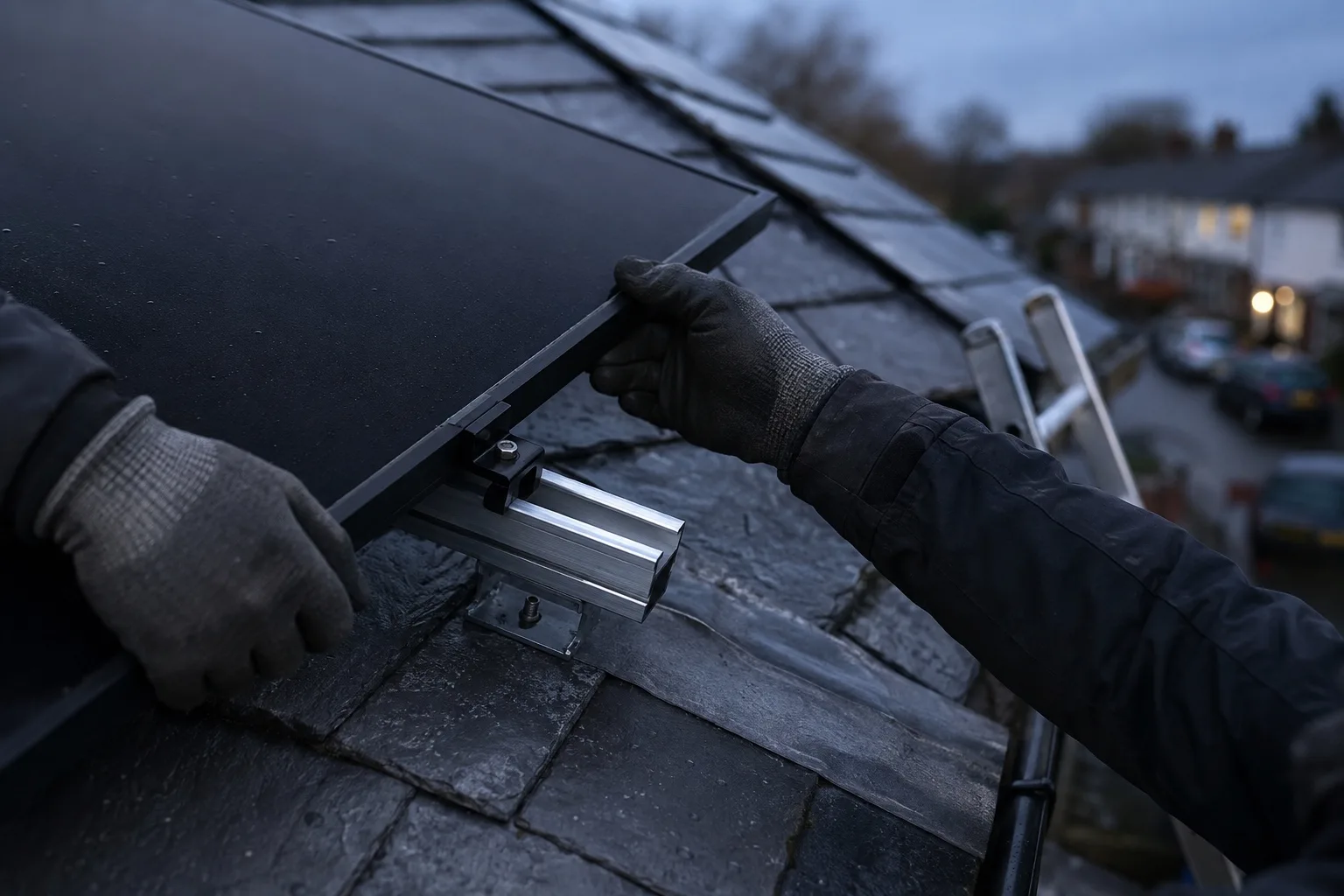
Every 3kW system is designed around your actual roof and usage, then installed by the same MCS-certified team that assessed it. Certified under our own MCS registration, no remote sales centre, 3,000+ UK homes and counting.
For most 2 to 3 bed homes using 2,500 to 3,500 kWh a year, a 3kW system covers a meaningful share of annual electricity, and with a 5 kWh battery, self-consumption typically reaches 70 to 90%. It is one of the most popular entry-level configurations we fit.
If your usage is higher, or you run an EV, a home office or a hot tub, a 5kW or 6kW system may suit better; if your usage is very low, a 2kW may be enough. We size to your actual usage, not a template. The inverter is hybrid-ready, so you can add storage later without reworking the system.
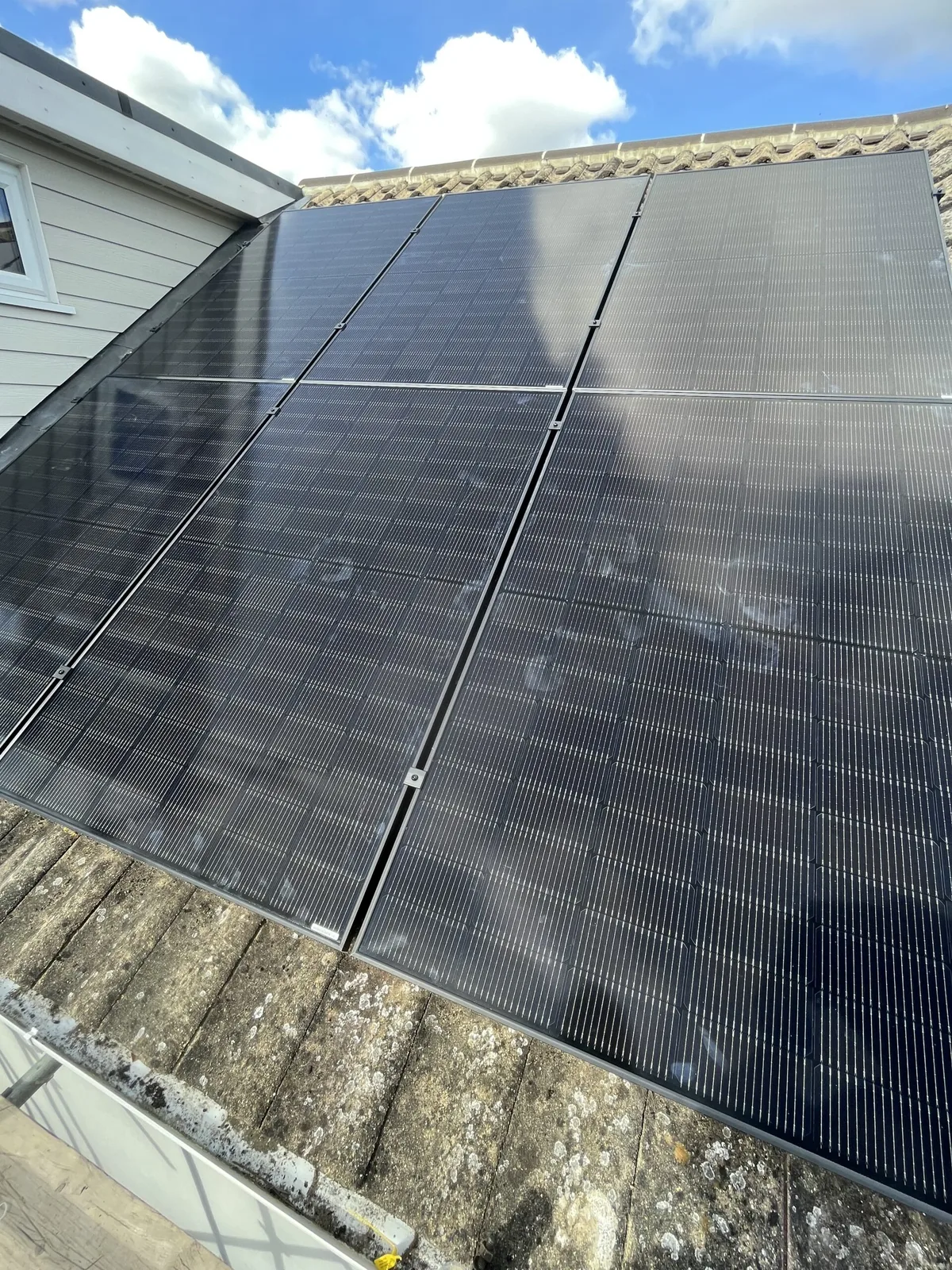
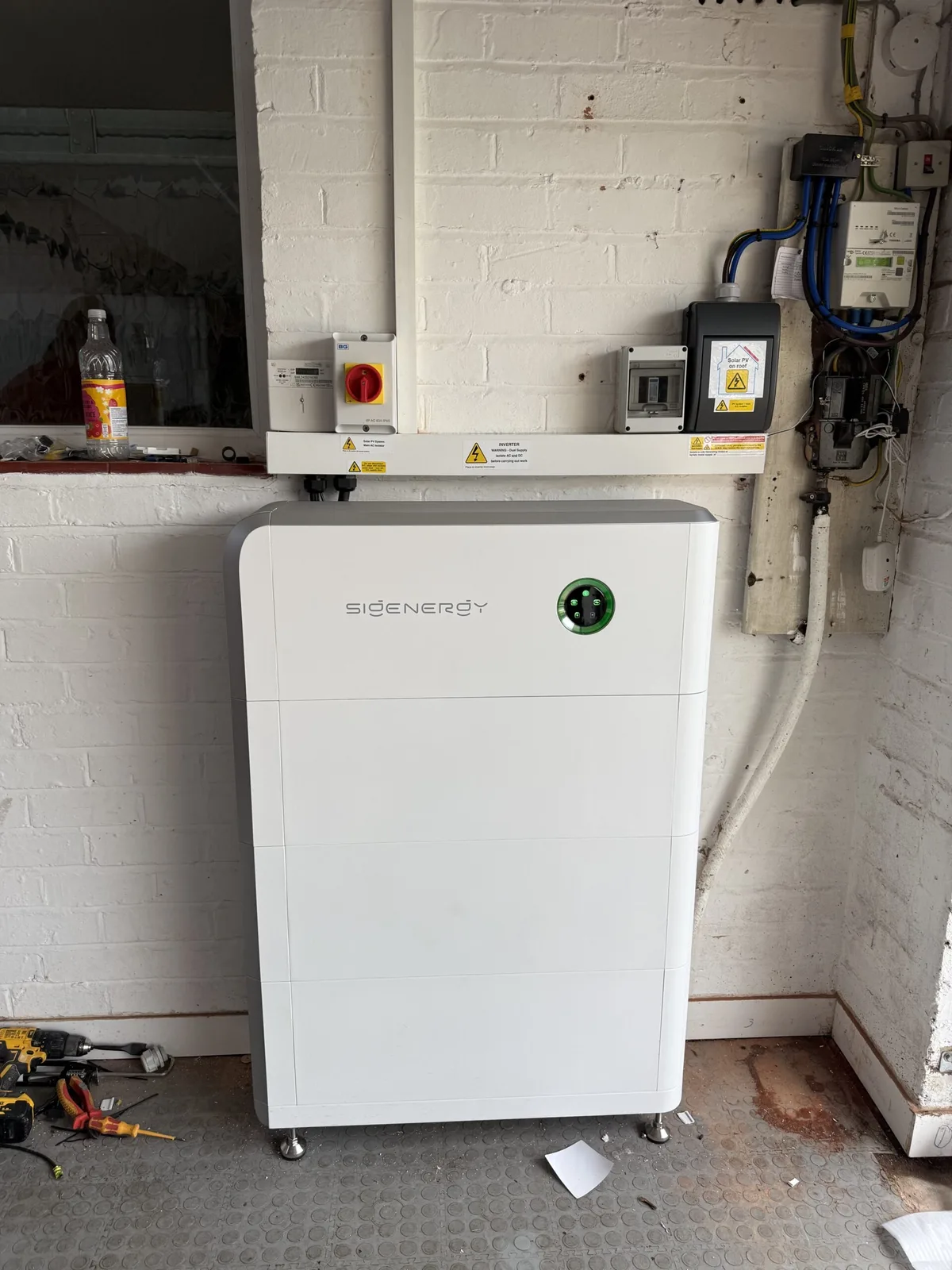
We fit every size, from compact 3kW arrays for smaller homes to large family systems. Here are two real Solar4Good homes, powered under our own MCS registration:
Answer two quick questions for a starting point, then compare the sizes below. We size to your actual usage, not a template, and confirm the exact fit for your roof in a site visit.
Running a business? Explore our commercial systems from 40kW upwards.
You work with a UK-wide team based in Harrow, not a remote sales centre. The person who assesses your roof is directly involved in designing the system, and once it is in we handle MCS certification, SEG export-tariff setup and your monitoring app, so you are never left navigating the process alone.
“George the sales chap was straightforward and honest, and the whole installation team were awesome, courteous and professional throughout.”
“From start to finish the whole job has been seamless. The install guys were polite, knowledgeable and efficient.”
“I wholeheartedly recommend this company for solar and battery storage installation.”
The questions homeowners actually ask about a 3kW solar system.
For most 2 to 3 bed homes using 2,500 to 3,500 kWh a year, a 3kW system covers a meaningful share of annual electricity. With a 5 kWh battery, self-consumption typically reaches 70 to 90%, meaning most of what the system produces is used in the home rather than exported.
8 panels using modern high-efficiency modules, sized to deliver 3 kW DC nameplate output. On most terraced and semi-detached homes they fit on a single roof slope.
18 to 24 square metres of unshaded roof. South, south-east and south-west aspects perform best in UK conditions, and a single slope is usually enough.
A 5 kWh battery is the most common pairing and the smallest size where the maths works for most households. The inverter is hybrid-ready as standard, so you can add storage later without rewiring.
A 3kW system contributes during daylight but is not usually sized to run an EV or heat pump on its own. If either is on your list, a 5kW or 6kW system is usually a better starting point.
Most installations are carried out under our own MCS registration. Further afield we use installers working under our MCS registration, and the certificate and workmanship warranty remain ours. We handle all paperwork, grid approvals, MCS certification and SEG export-tariff setup on your behalf.
Guides from our engineers on sizing, batteries, EV charging and getting paid for what you export.

Start with a free roof assessment and a fixed-price quote from our MCS-registered installers. No cost, no obligation, response within 24 hours.