





A medical centre that can't switch anything off
The Pinn Medical Centre in Harrow is a busy CQC-rated practice with a wide range of medical expertise. It runs diagnostic equipment, lighting, heating and cooling across long clinical days, and almost none of it can be turned off to save a few pounds. That kind of heavy, all-day electricity use is exactly where solar earns its keep, because the panels make power at the same hours the building needs it most. The centre wanted to spend less on energy and more on patients. Then they looked at the bill.
A six-figure electricity bill, eating patient-care money
Electricity was one of the largest fixed costs the practice carried. That is money that should be going into staff, equipment and patient care, not to the grid. And a medical centre can't answer rising prices by dimming the lights or running fewer machines. The real question was the one every serious buyer asks. Would solar make a genuine dent on a building that draws this much power all day, or just shave a little off the top and leave the bill looking much the same?
A 49.2 kWp system, sized to the load
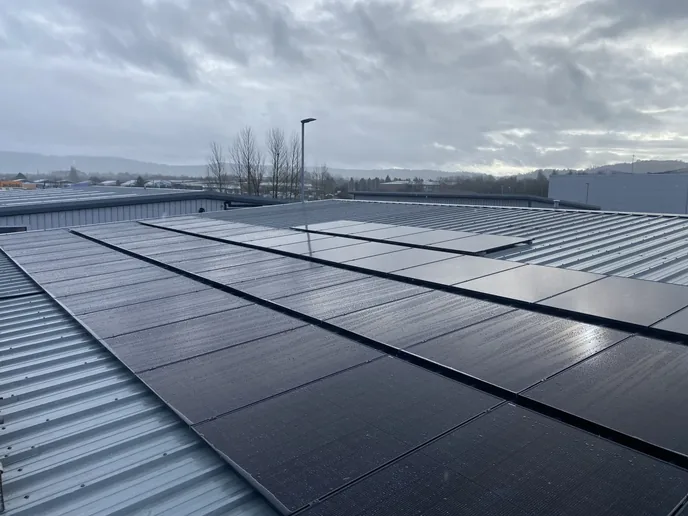
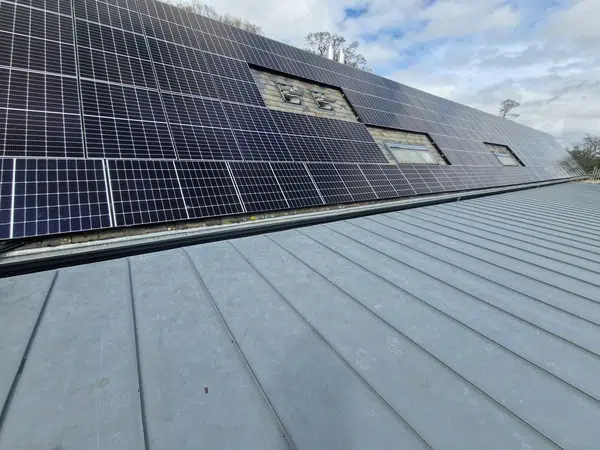
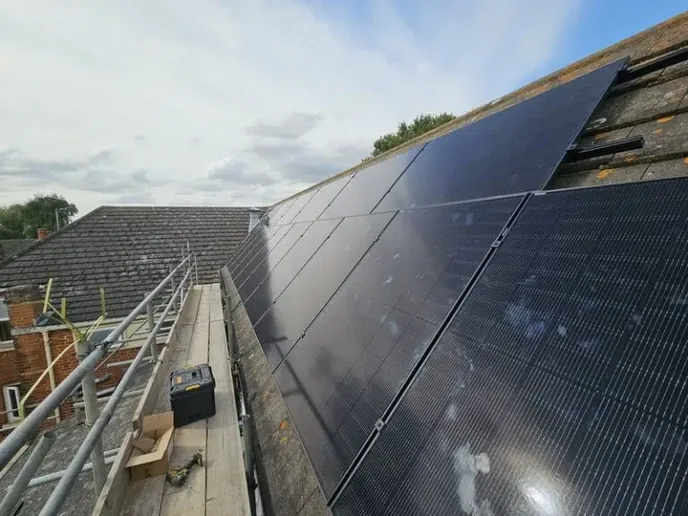
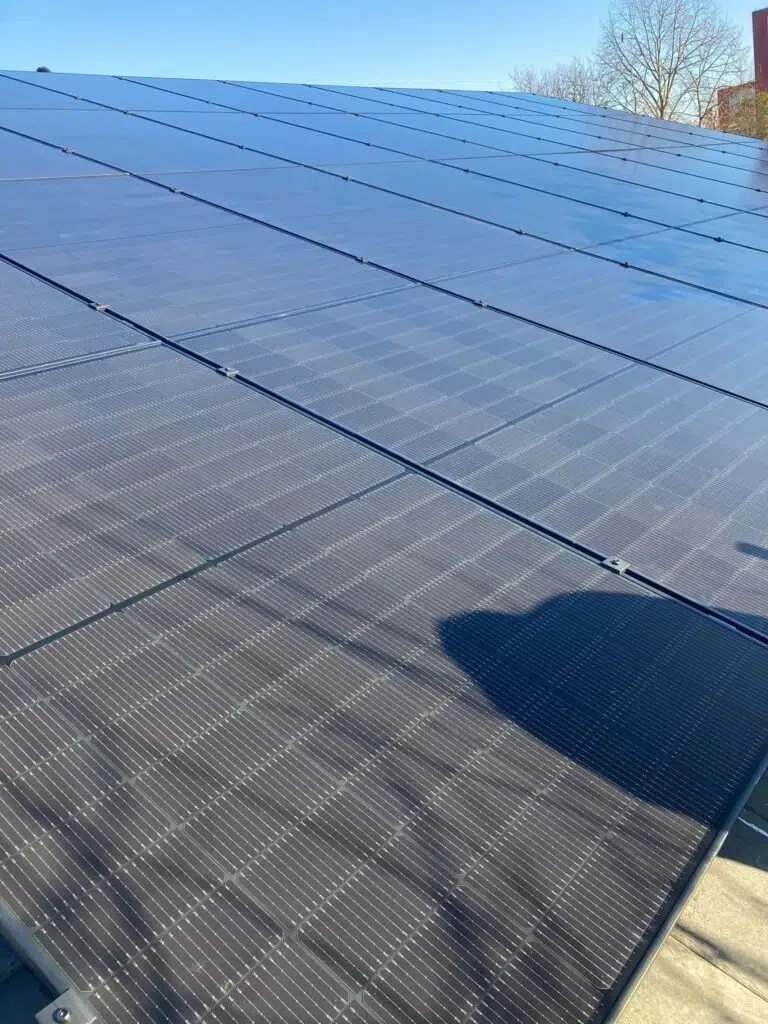
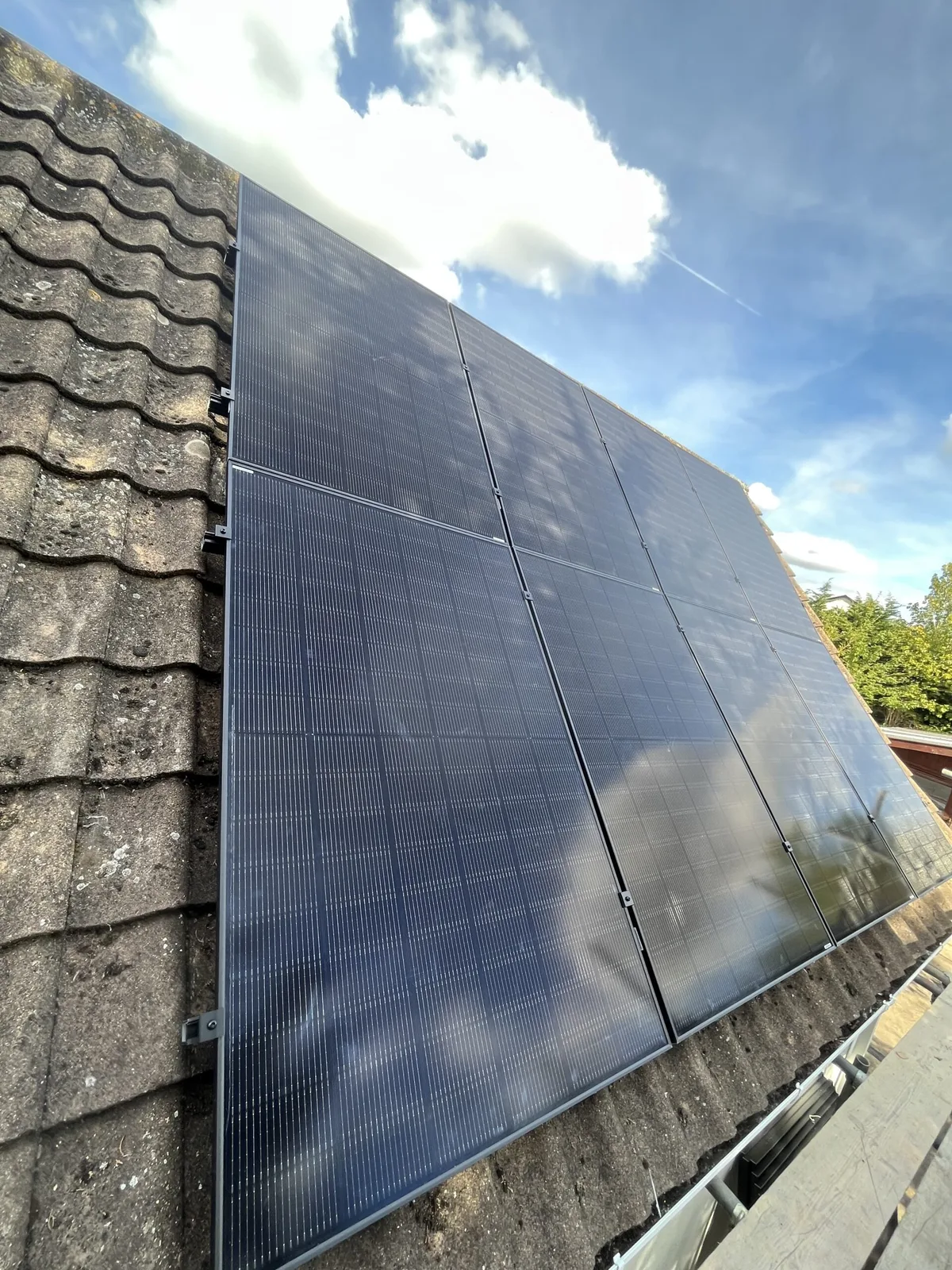
We didn't hand over an off-the-shelf array and hope. We sized the system to the centre's real daytime demand, so as much of the generation as possible gets used on site instead of sold back cheaply. We ran the whole job end to end, from site visit and design through to install and commissioning, and we planned it around a live medical centre so patient care was never interrupted.
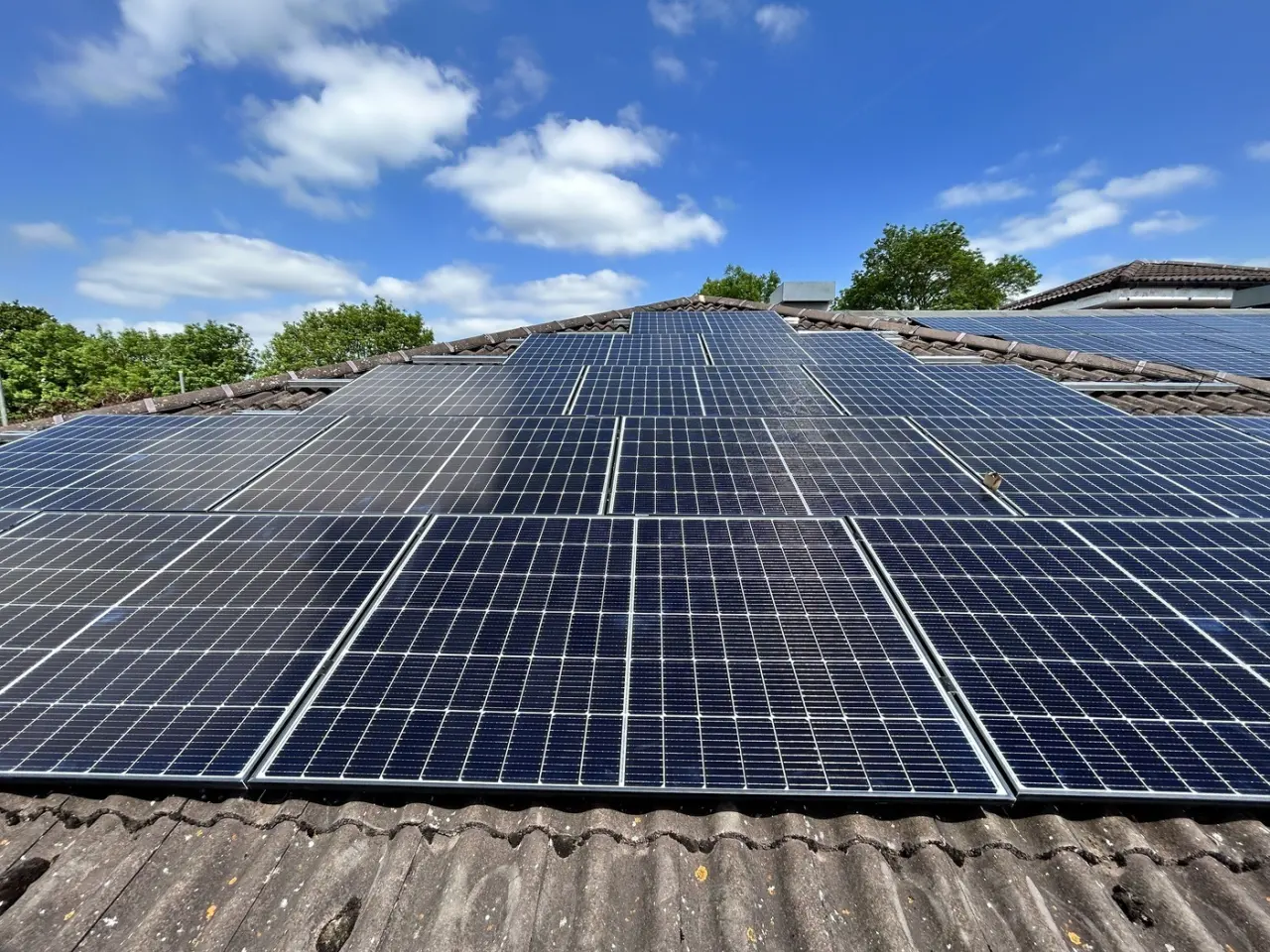
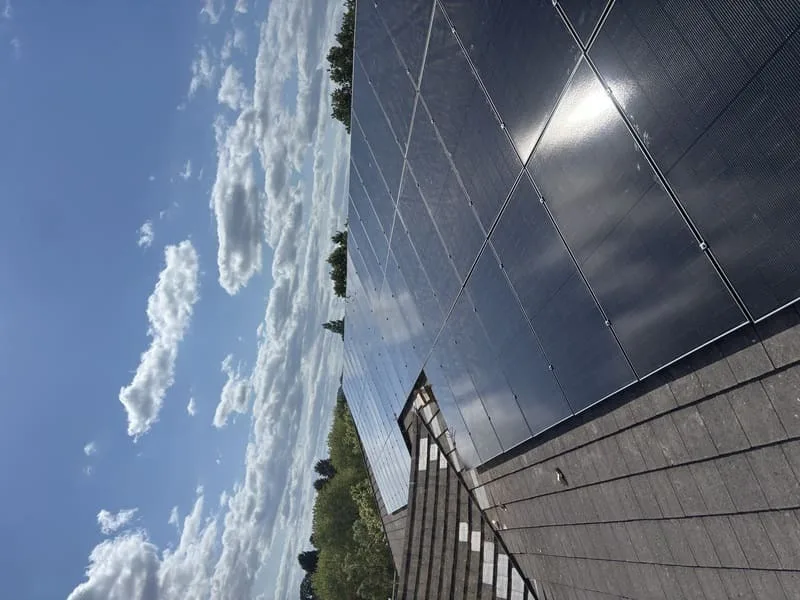
- 120 × 410W panels (49.2 kWp total), built to carry heavy daytime demand
- Sized so the power is used on site, at the hours the building actually draws it
- Installed around a working CQC-rated practice, with no disruption to patients
- Site visit, design, install and commissioning all handled by one team
The bill fell by 73%
After the panels went live, The Pinn's electricity bill dropped by 73%. Money that now goes where it should, into medical equipment and patient care rather than the energy company. Same building, same clinical hours, a fraction of the bill. Over the system’s 25-year life that is roughly £184,000 to £246,000, on an install that typically pays for itself in five to six years.
Generation and saving figures on this page are estimates, modelled from the system size and a typical UK yield. They are not meter readings. Your own figures depend on your roof, your usage and the weather in any given year, and we confirm them from a real assessment rather than a model.