








A Kent household that wanted off the grid
Mr Mudalagiri wanted more than a cheaper bill for his Kent home, he wanted independence. A household that could make its own power, store it, and stop being at the mercy of a rising grid price. The goal was simple to say and harder to deliver: run as much of the home as possible on its own roof, day and night, all year round.
Powering a whole home, day and night
A home doesn’t use its power the way a factory does. The big draws come in the morning and the evening, exactly when the sun is weakest. Solar panels alone would have made plenty of daytime energy the family simply wasn’t home to use. To turn a good roof into real independence, the daytime surplus had to be captured and saved for the hours that matter.
A 17.6 kWp system, with battery storage
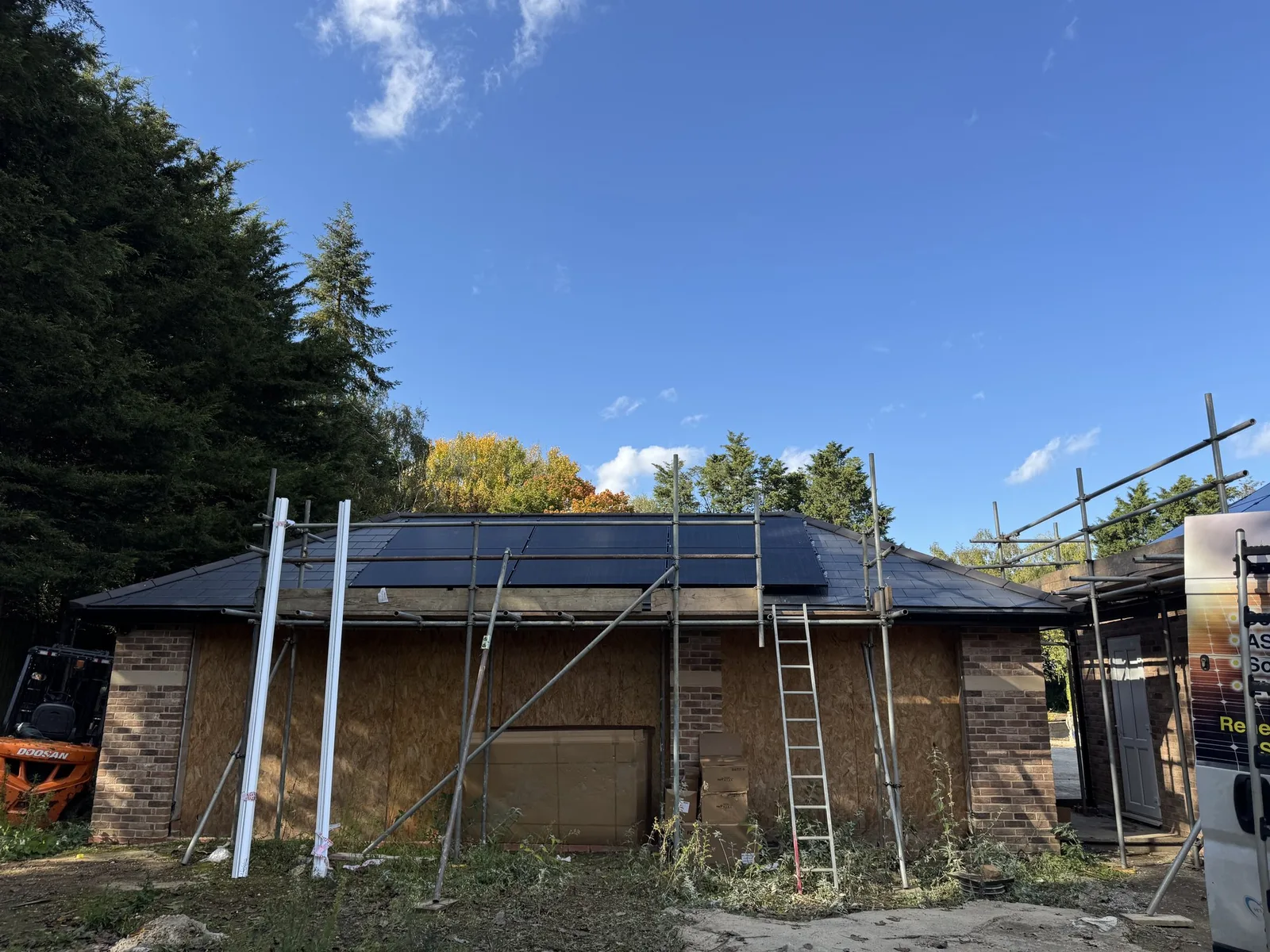
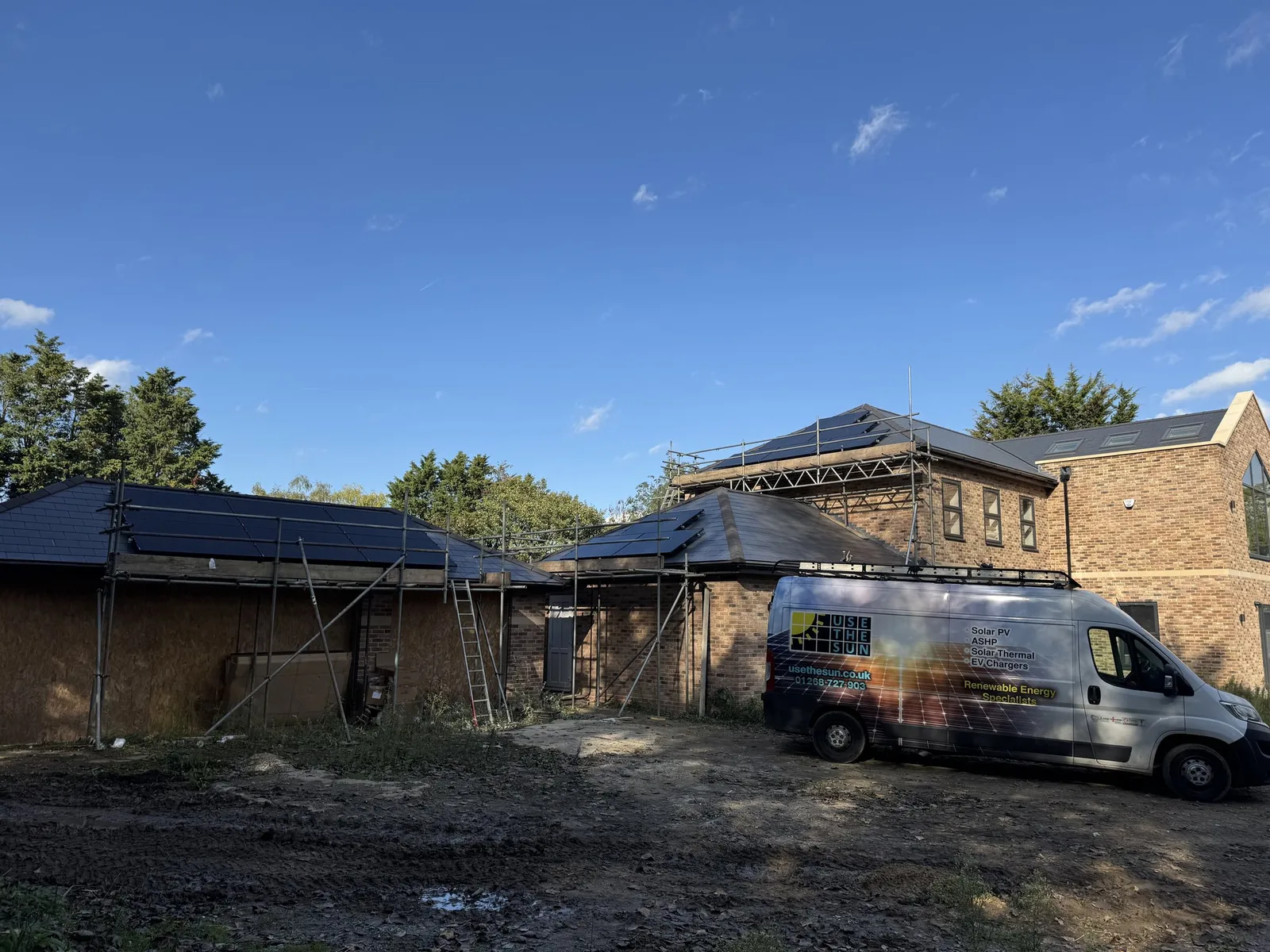
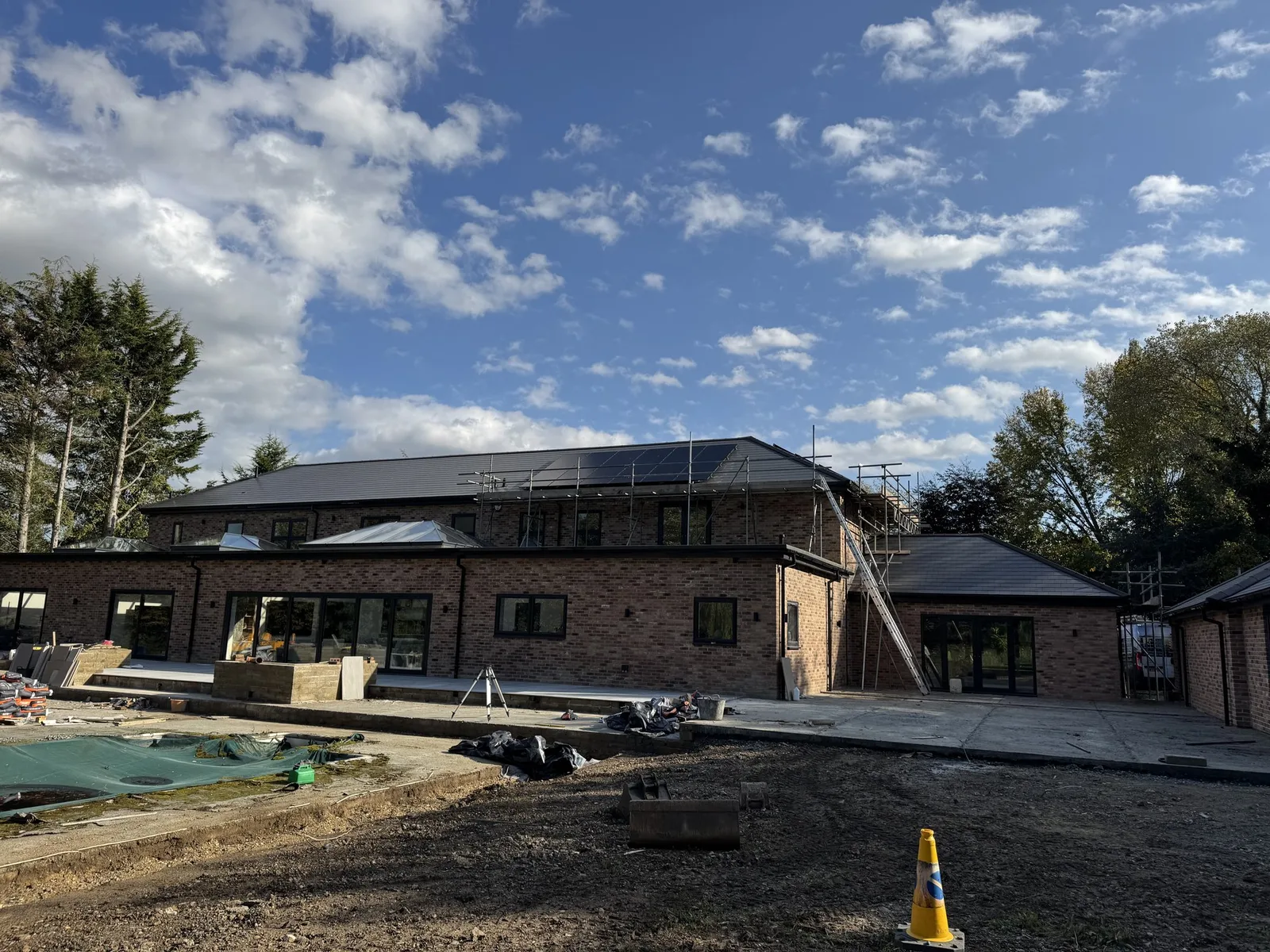
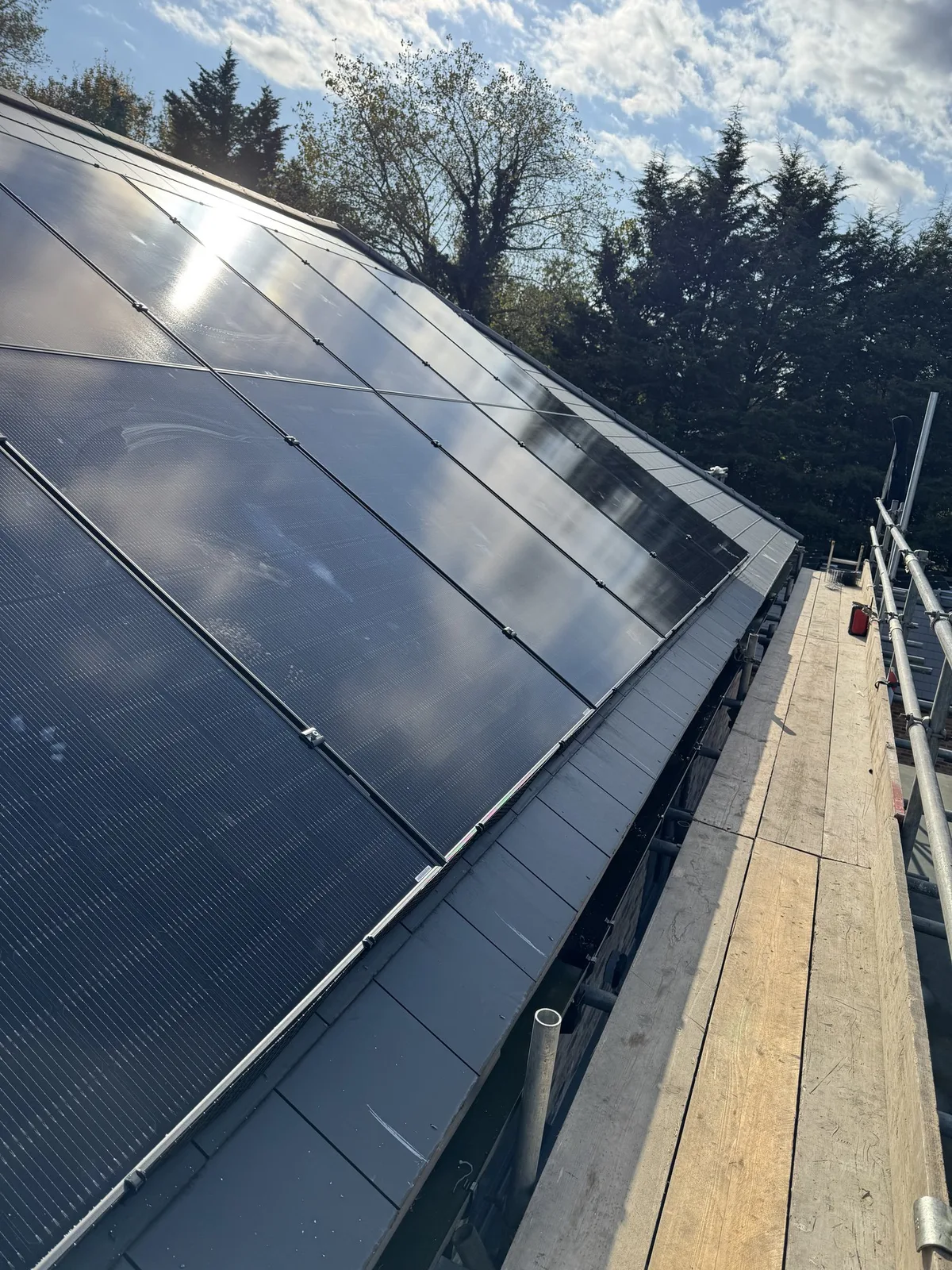
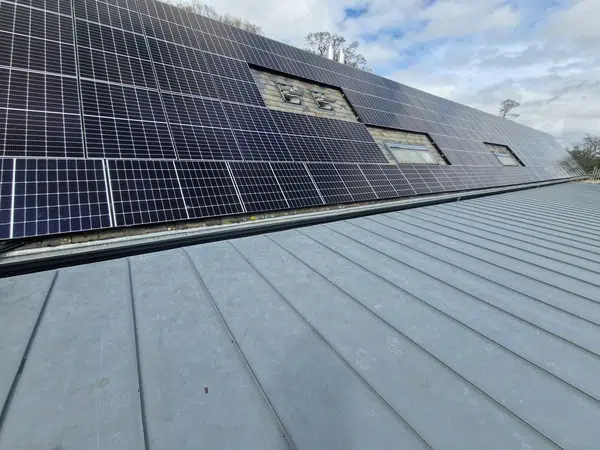
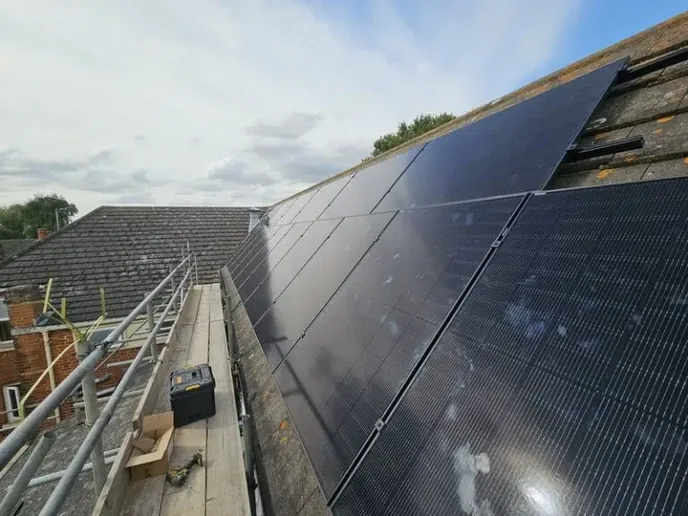
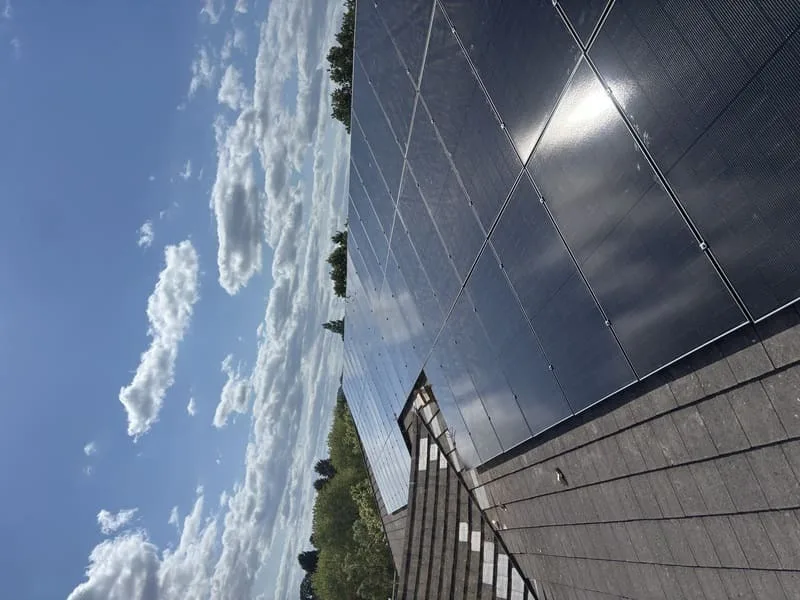
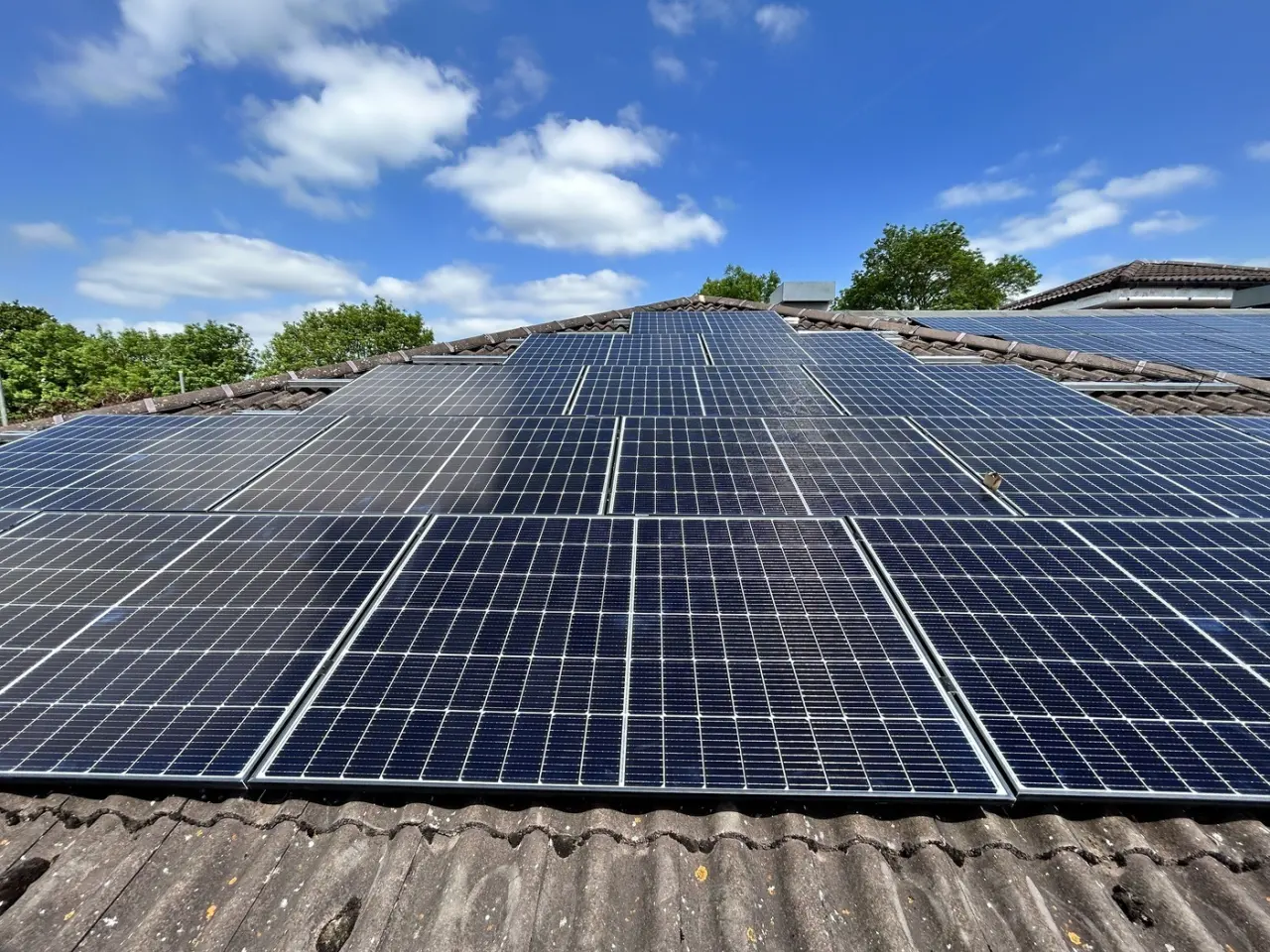
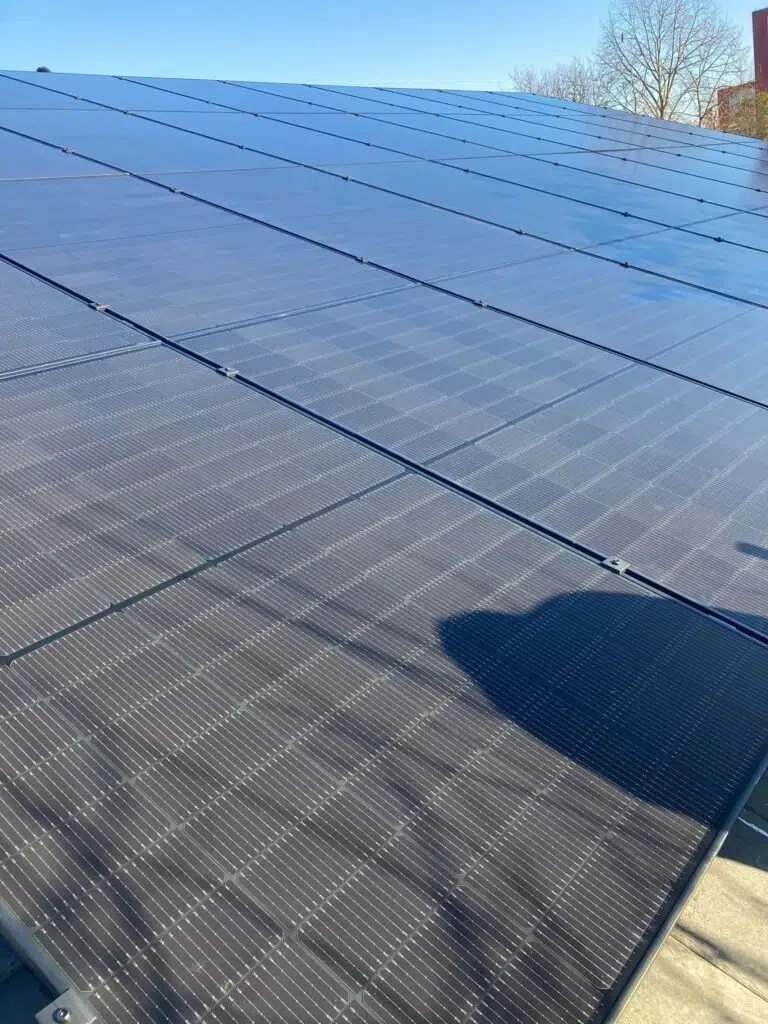
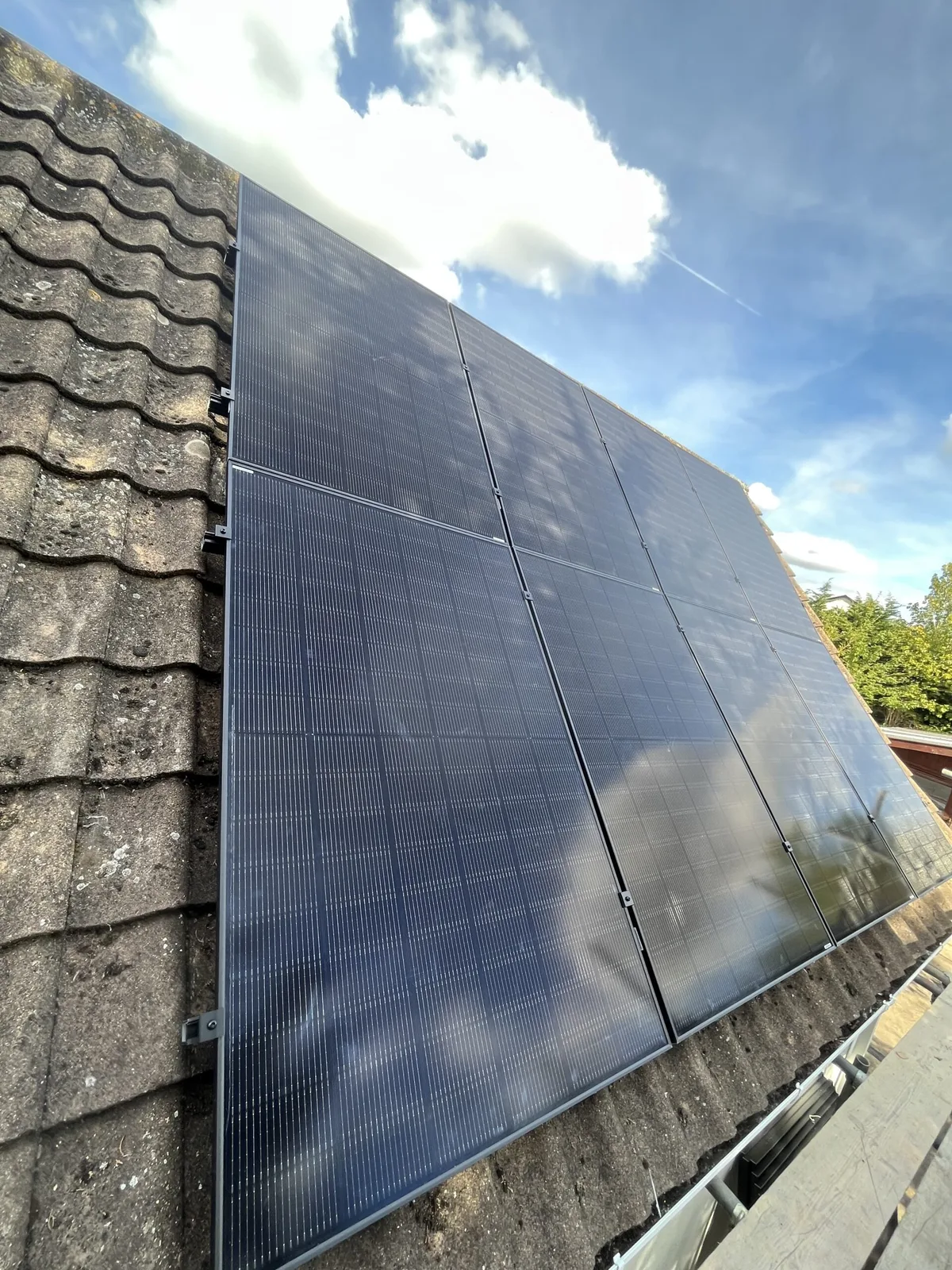
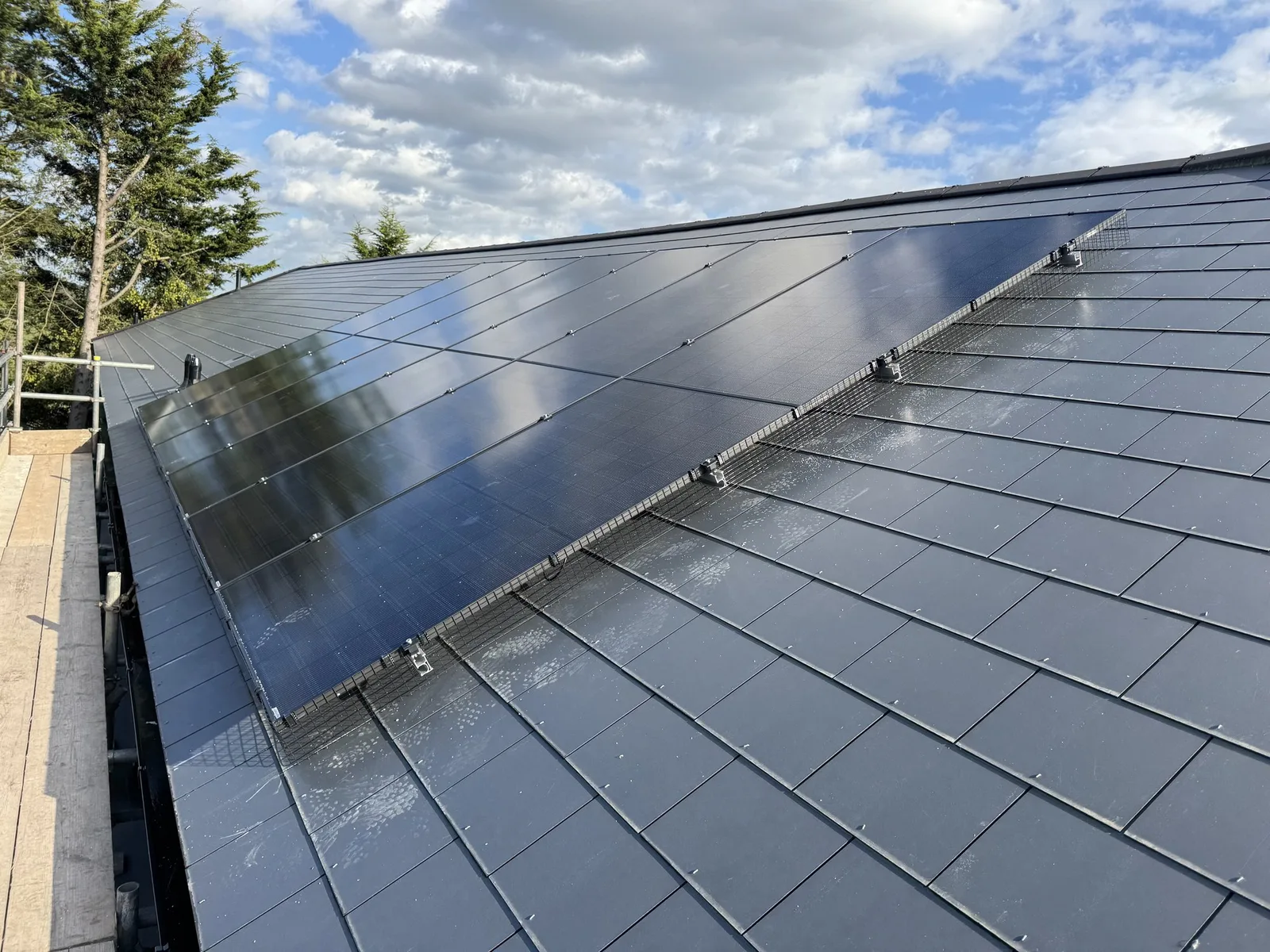
We designed a 17.6 kWp system built around real family life, generous panels to make the most of the roof, paired with battery storage to hold the daytime surplus for evening use. Solar4Good ran the whole job end to end, from site visit and design through to installation and handover.
- JA Solar panels (17.6 kWp total), picked for efficiency and reliability
- FoxESS battery storage, holds the daytime surplus for evening use
- Sized so the home runs on its own power across day and night
- End‑to‑end: site visit, design, install and handover, with zero fuss for the family
~19,000 kWh a year, 75% of the home’s power
The system now produces around 19,000 kWh a year, covering roughly 75% of the household’s energy needs. With the battery storing daytime surplus for the evening, the family draws far less from the grid, and avoids an estimated ~3.9 tonnes of CO₂ a year (estimated from generation). It’s an ordinary Kent home, running mostly on its own roof. Over the system’s 25-year life that is roughly £66,000 to £88,000, on an install that typically pays for itself in five to six years.
Generation and saving figures on this page are estimates, modelled from the system size and a typical UK yield. They are not meter readings. Your own figures depend on your roof, your usage and the weather in any given year, and we confirm them from a real assessment rather than a model.