





A Luton business tired of paying whatever the grid charged
The Fortune Group is a business group based in Luton, the kind of operation that runs through the working day and pays for every unit it pulls. Energy prices kept climbing, and the bill kept climbing with them. On top of that, their customers and their own conscience were asking harder questions about carbon. They wanted three things at once. Lower running costs, less exposure to whatever the tariff did next, and something real to point to on sustainability. Solar was the obvious answer. The roof was the complication.
One roof, two different surfaces
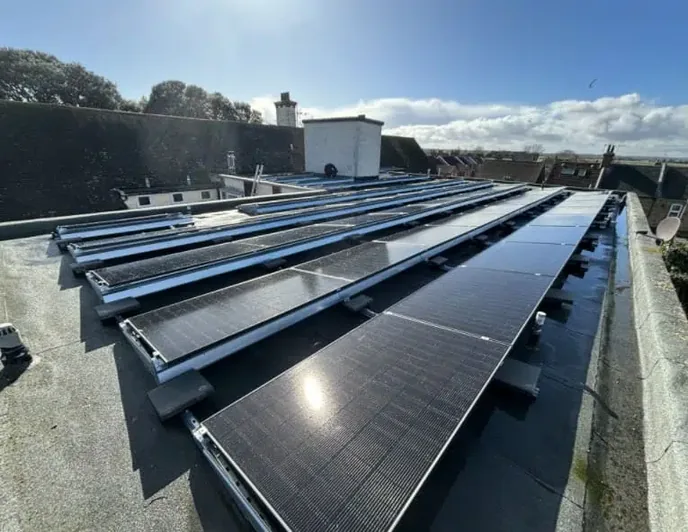
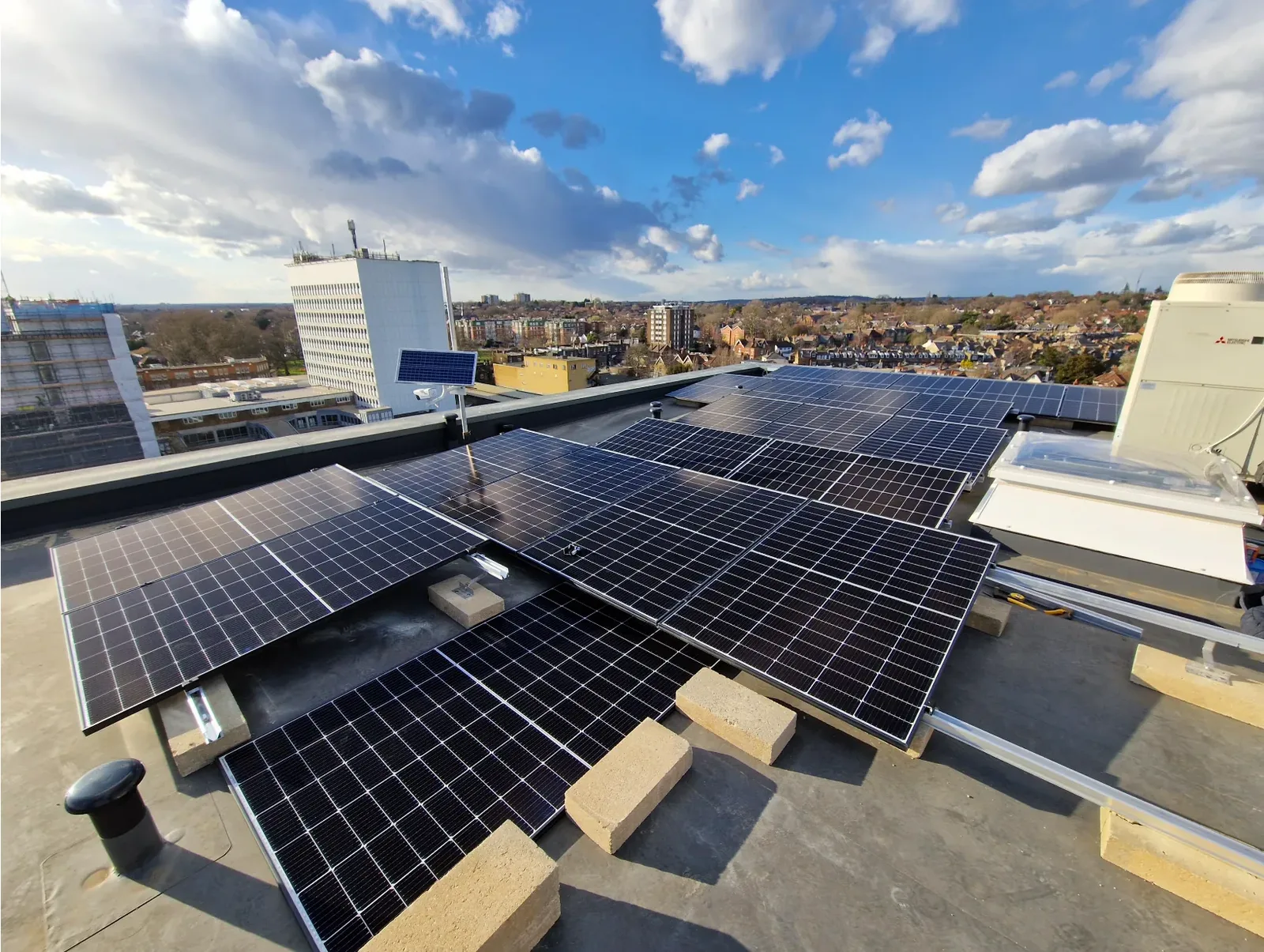
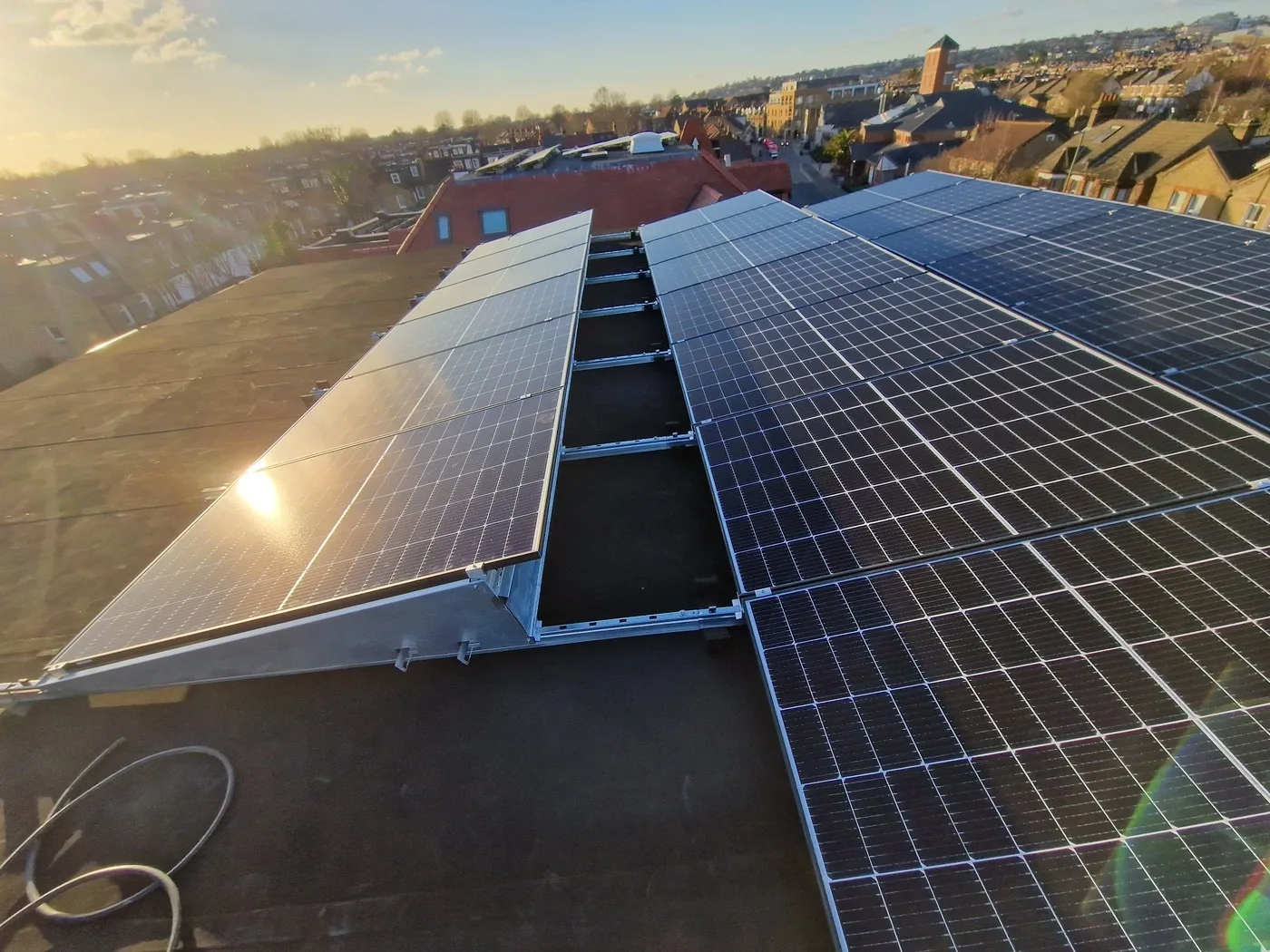
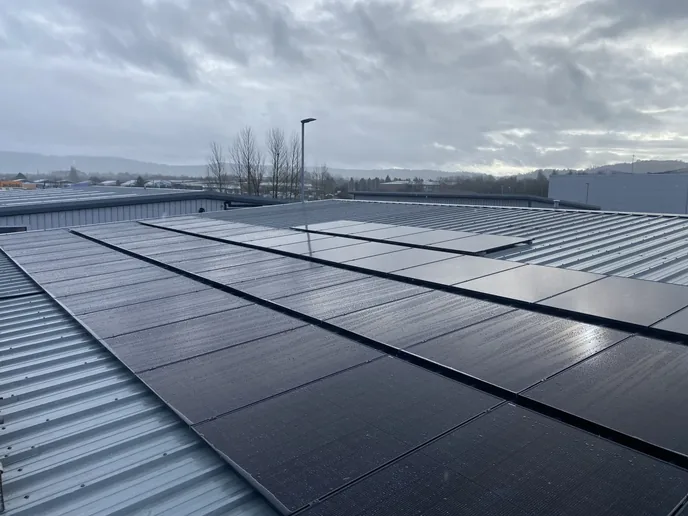
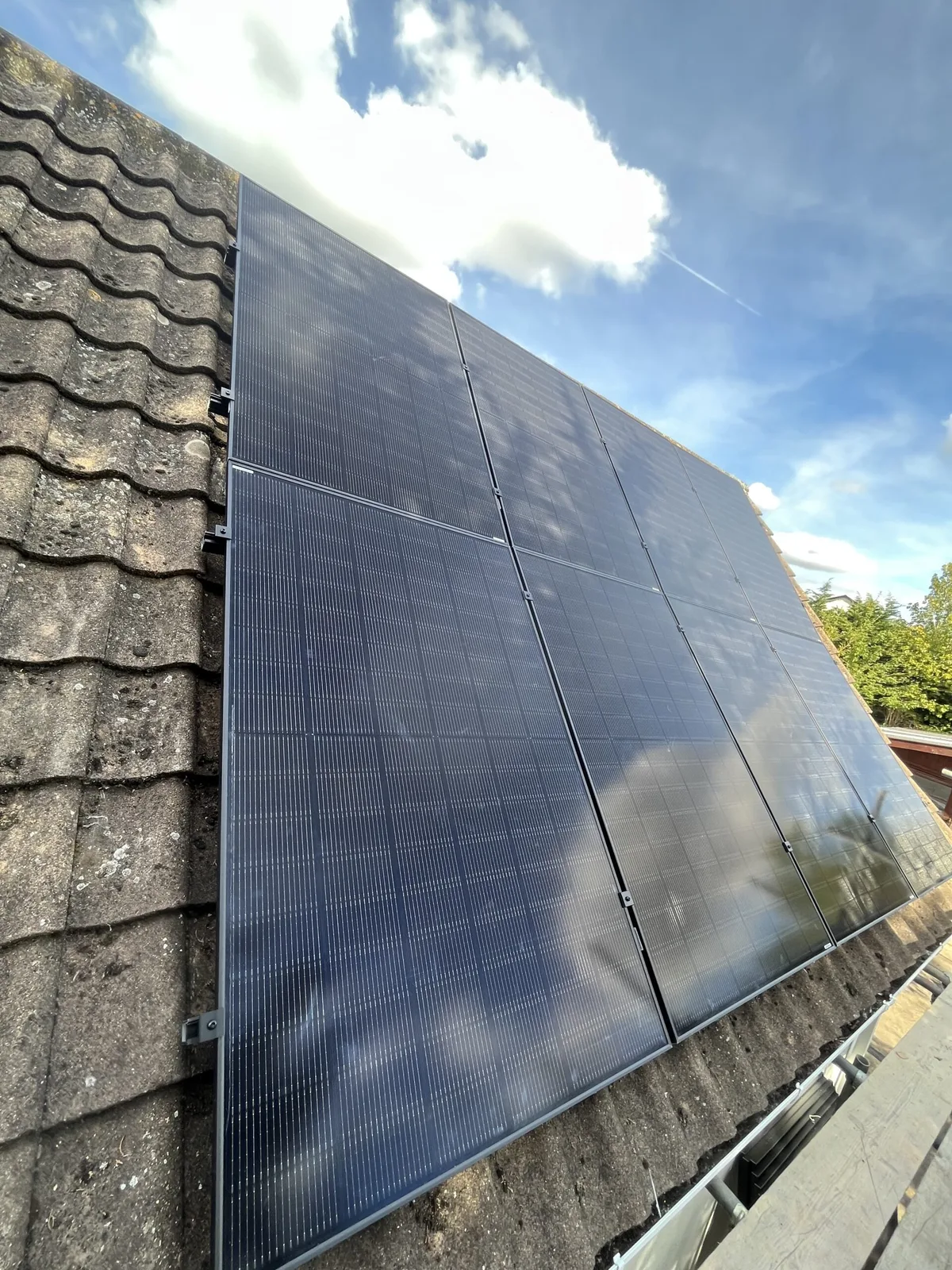
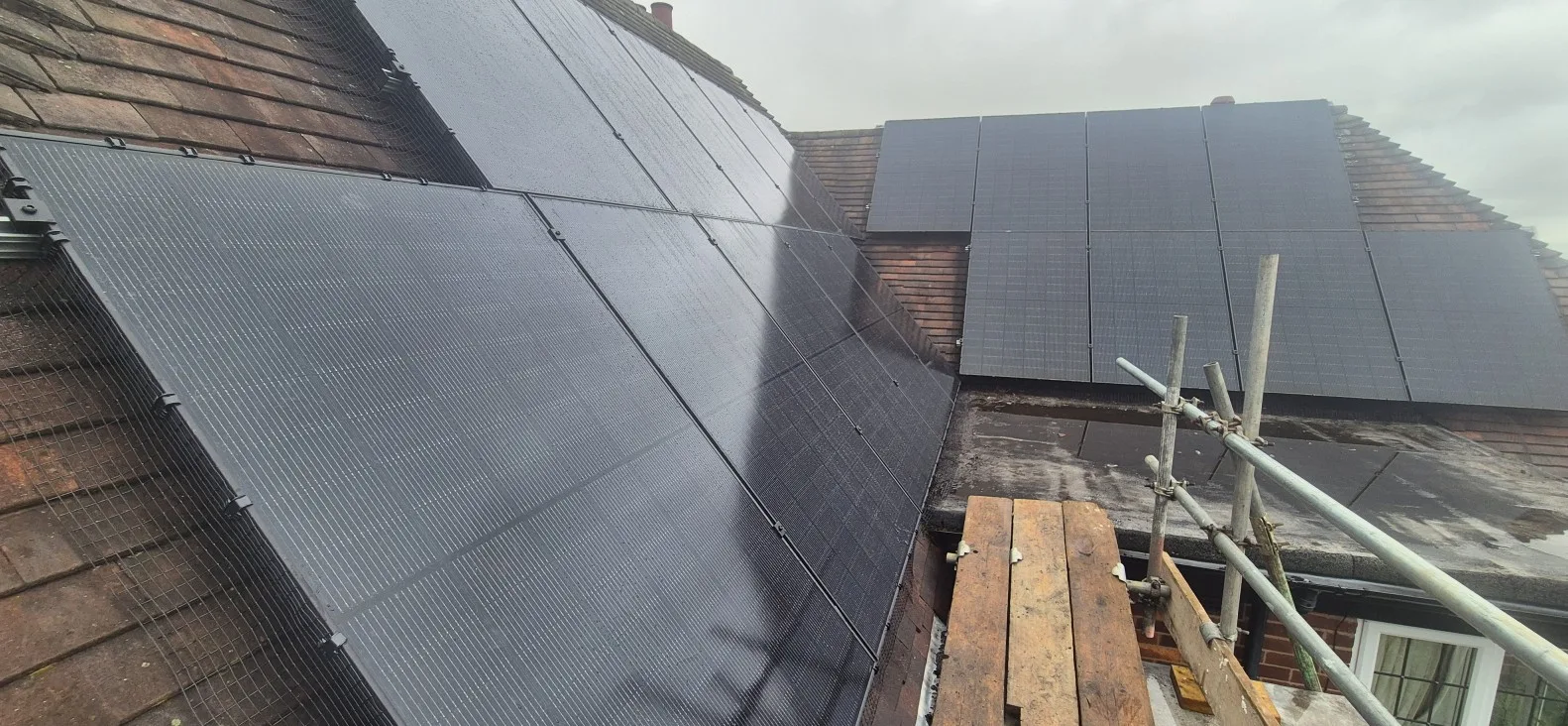
The Fortune Group's premises don't have one clean, uniform roof. They have a pitched section and a flat section, sitting at different angles. Split a solar system across two surfaces without thinking it through and the output sags. Panels on one part peak while panels on the other lag, shading creeps in, and you end up paying for generation you never actually collect. So the job wasn't just "put panels on the roof." It was designing a single system that earned its keep across both surfaces, and fitting it without stopping the business trading.
A 26.4 kWp system built for a mixed roof
We designed the layout around the roof it had to live on, not the roof we wished it had. The pitched section sits at 18° facing south, the flat section at 10° facing south, and we planned the panel layout so both pull their weight through the day. Every panel got its own Tigo optimiser, so if one gets shaded the rest keep producing. We ran the whole job in-house, from feasibility study to commissioning, and scheduled it so daily business carried on around us. The total came to £22,800, and it's built to take battery storage and EV charging later.
- 60 × Canadian 440W panels (26.4 kWp total)
- 1 × Fox T25-G3 inverter (3-phase)
- 60 × Tigo optimisers, one per panel, to beat shading
- Split across an 18° pitched roof and a 10° flat roof, both south-facing
- Installed with little to no disruption, and ready for battery and EV charging
Around 30,000 kWh a year, off their own roof
The system now generates 28,000 to 30,000 kWh a year, covering a big chunk of what the site burns through. In money that's £5,200 to £5,600 off the bill every year, close to £467 a month, and £130,000 to £140,000 across the system's life. The full £22,800 pays back in about 5 to 5.5 years. After that it's decades of power they generate instead of buy, and a carbon number they can actually put in front of their customers.
Generation and saving figures on this page are estimates, modelled from the system size and a typical UK yield. They are not meter readings. Your own figures depend on your roof, your usage and the weather in any given year, and we confirm them from a real assessment rather than a model.