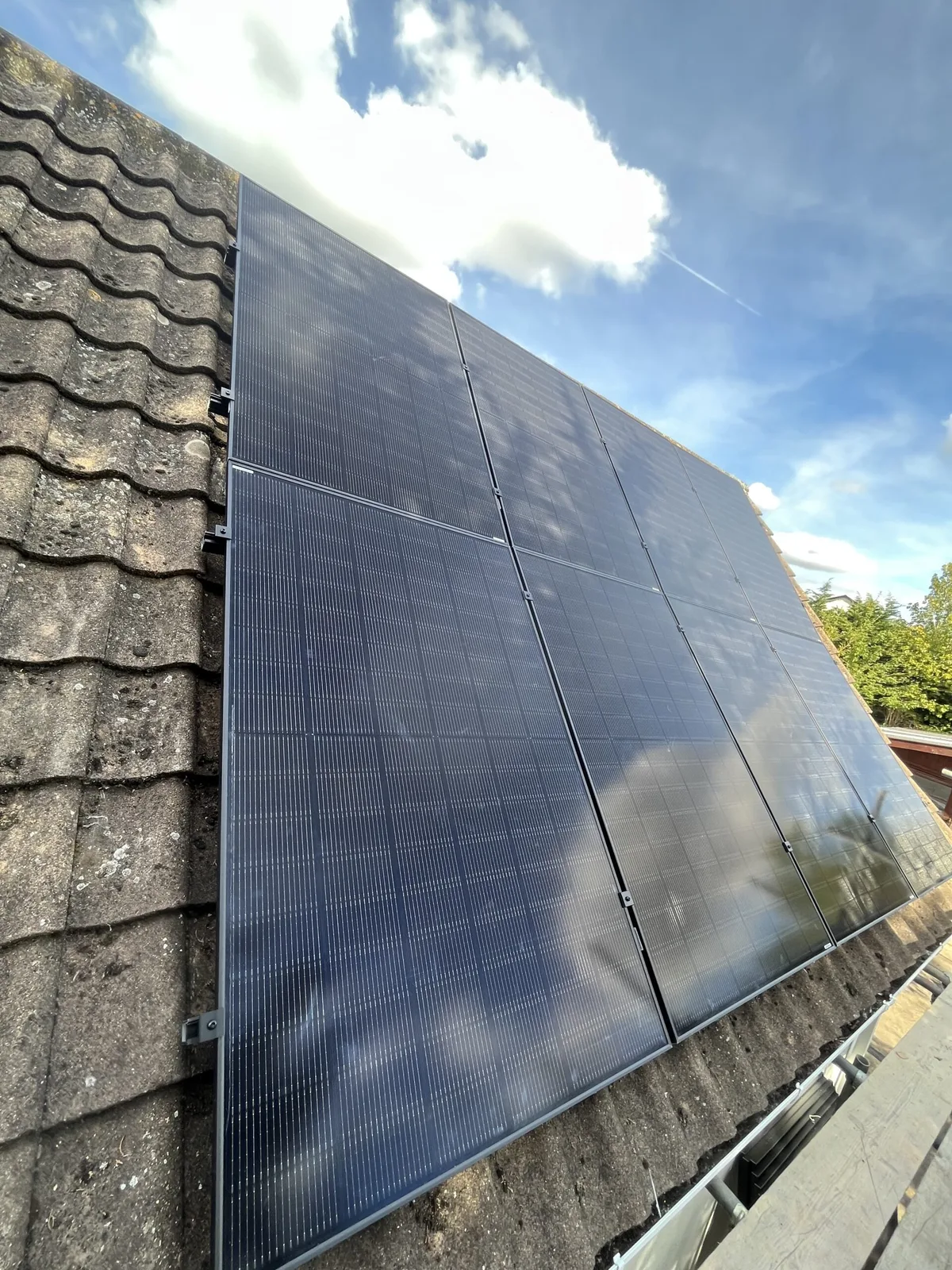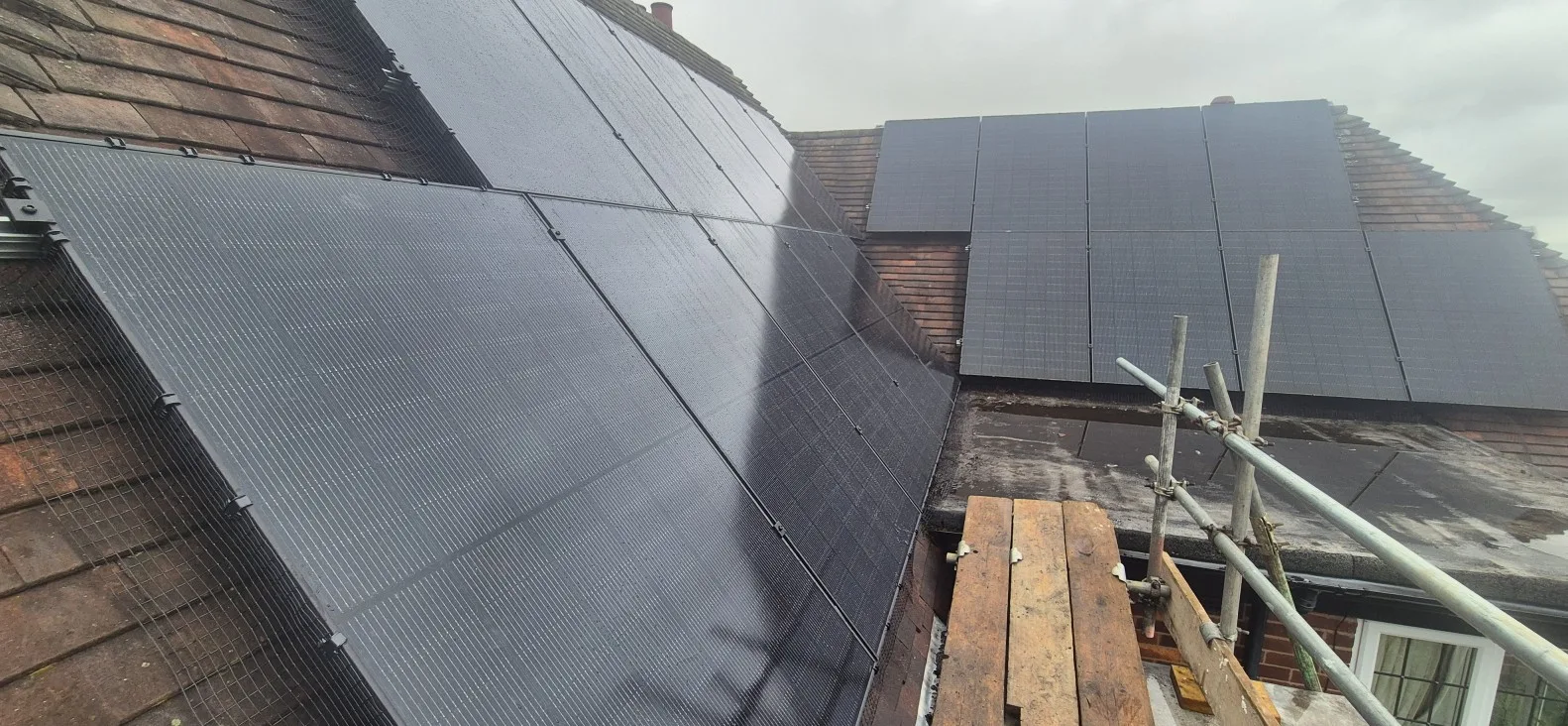






A property firm watching one building eat its margin
KK Investment Properties is a UK real estate business. It manages a spread of properties across different sectors, and like any landlord it lives and dies on the running costs of each asset. Most of those costs you can plan for. Electricity is the one that kept climbing. On one property in particular the power bill had grown into a real drag on the numbers, and switching a few things off wasn't going to touch it. They wanted the bill under control and a cleaner story to tell tenants and stakeholders. The size of that bill was the problem.
A five-figure electricity bill on a single site
One building in the portfolio was costing a five-figure sum every year just to keep the lights and systems running. For a property business that's not a rounding error. It's money coming straight off the return on that asset, year after year, with no end in sight while grid prices rise. KK didn't want a vague promise of "savings". They wanted to know, in pounds, how far solar could actually move a bill that size, and whether it was worth putting capital into the roof of a working, occupied property.
A 17.2 kW system, sized to the building's demand
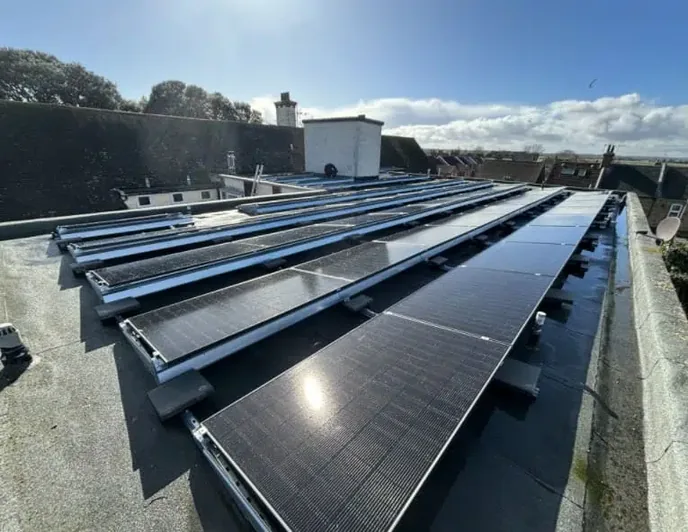
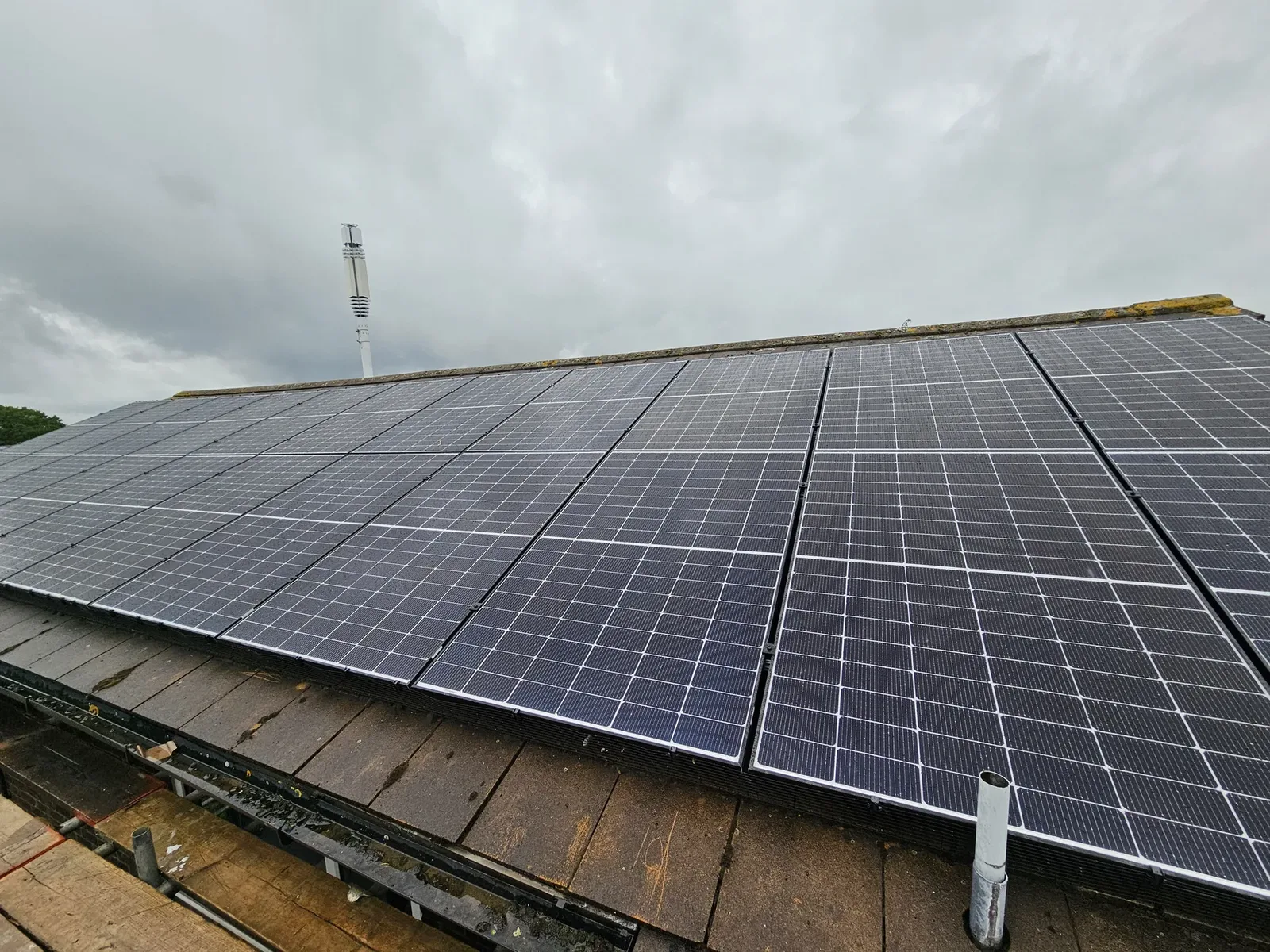
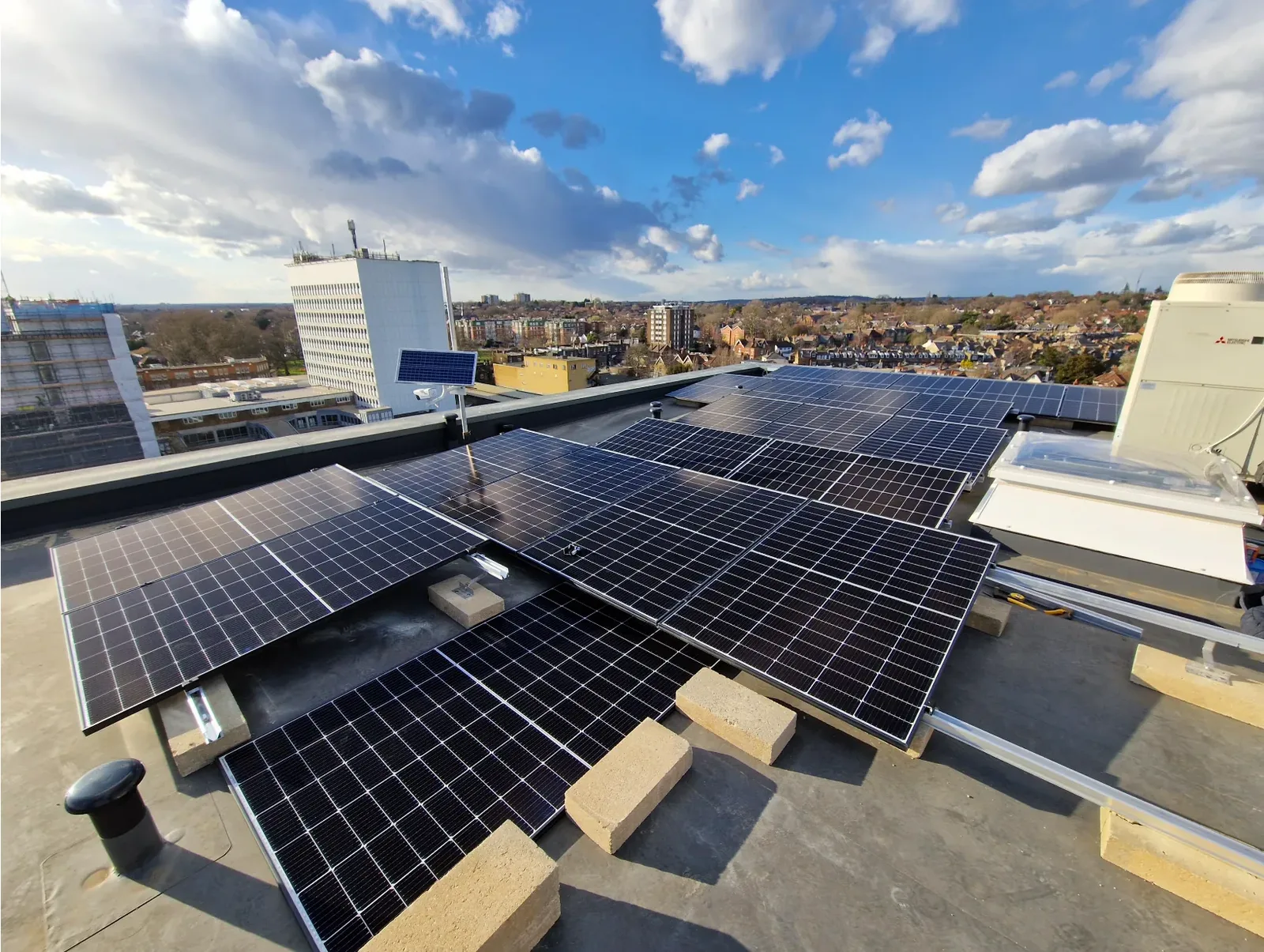
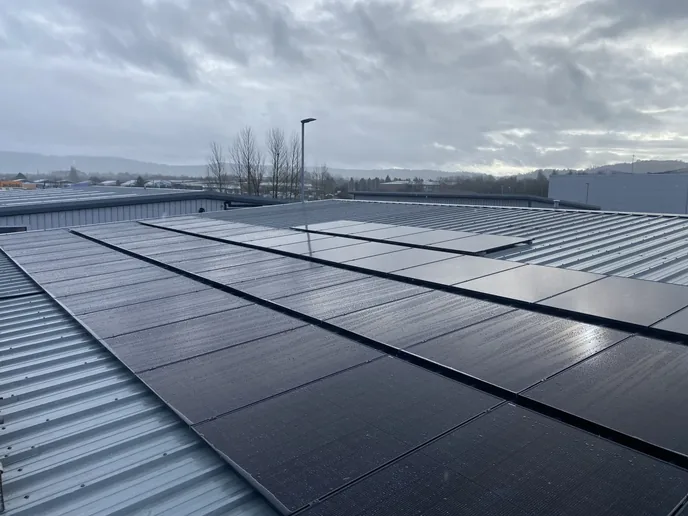
We built the system around how that specific property actually uses power, not a template. The design set out to squeeze the most generation from the roof and take a real bite out of the operating cost. We ran the whole job end to end, from site visit and design through to install and commissioning.
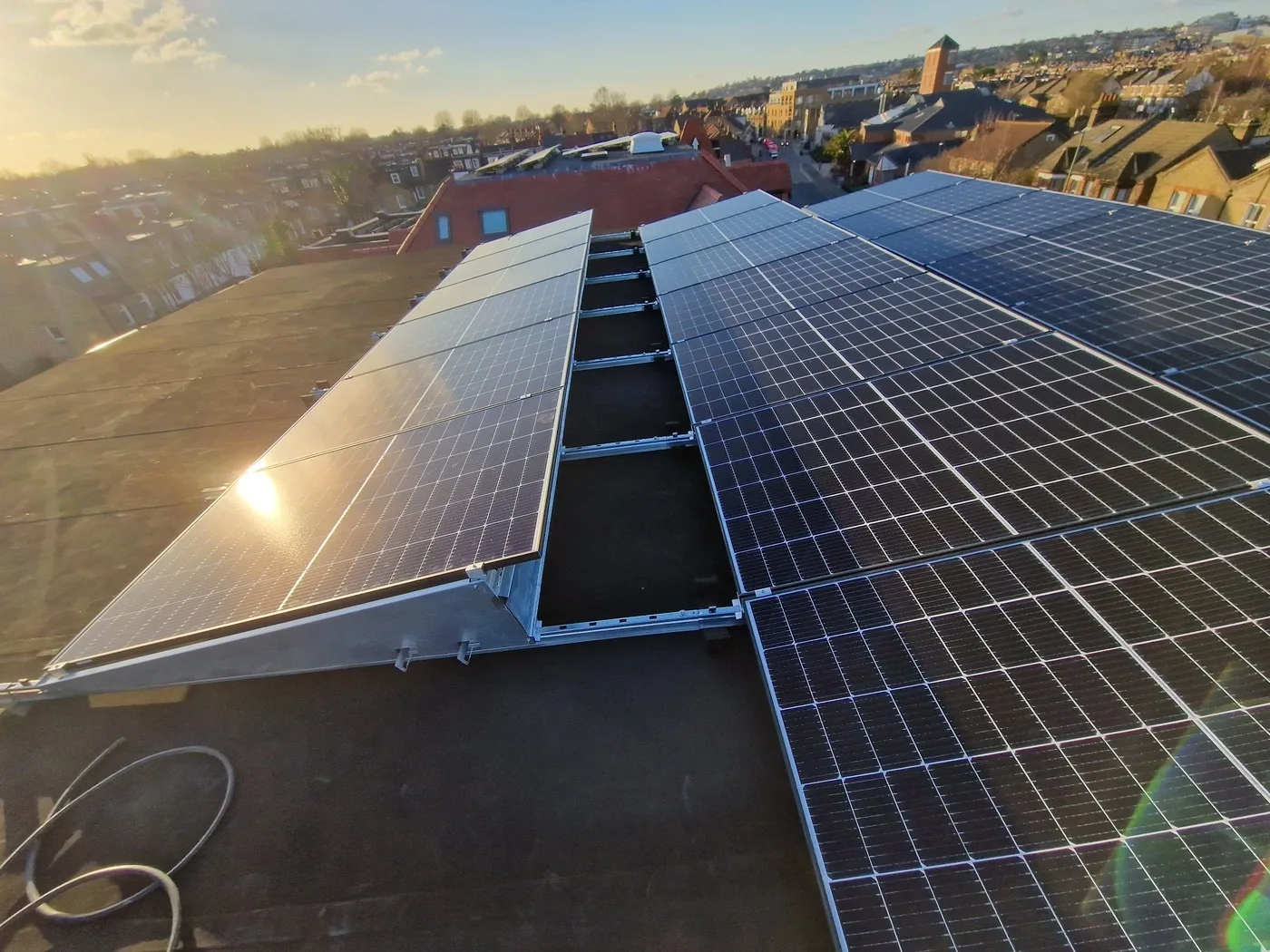
- 42 × 410W panels (17.2 kW total), sized to the building's load
- 17.2 kW of installed capacity on one commercial property
- Designed to cut the running cost of a single site in the portfolio
- Site visit, design, install and commissioning handled end to end
The power bill dropped by nearly two thirds
The bill on that property fell by 64%. The saving does two jobs at once. It lifts the return on that asset, and it hands KK a cleaner energy story to put in front of tenants and stakeholders. Over the system’s 25-year life that is roughly £64,000 to £86,000, on an install that typically pays for itself in five to six years.
Generation and saving figures on this page are estimates, modelled from the system size and a typical UK yield. They are not meter readings. Your own figures depend on your roof, your usage and the weather in any given year, and we confirm them from a real assessment rather than a model.