





A property business paying grid prices on its own building
Mall Properties Ltd is a UK real estate business, and like a lot of property companies it owns buildings that eat electricity. One of its sites was a heavy user, the kind of building where the meter barely rests. That turned a rising energy bill into a genuine drag on the numbers, because on a property P&L every pound of overhead comes straight off the bottom line. Mall wanted the cost under control and the building's green credentials up. The real question was what a roof could actually do about a bill that big.
A five-figure electricity bill on a single property
One building was drinking power, and the bill for it had reached five figures a year straight from the grid. For a property company that's margin walking out the door every quarter. The worry with solar is always the same one. Will it actually move a bill that size, or just shave a token amount off the top and leave you still writing big cheques to the grid? Mall wanted proof the numbers would stack up on this specific building before spending a penny, not a glossy promise about clean energy in general.
A 20 kW system sized to the building's real load
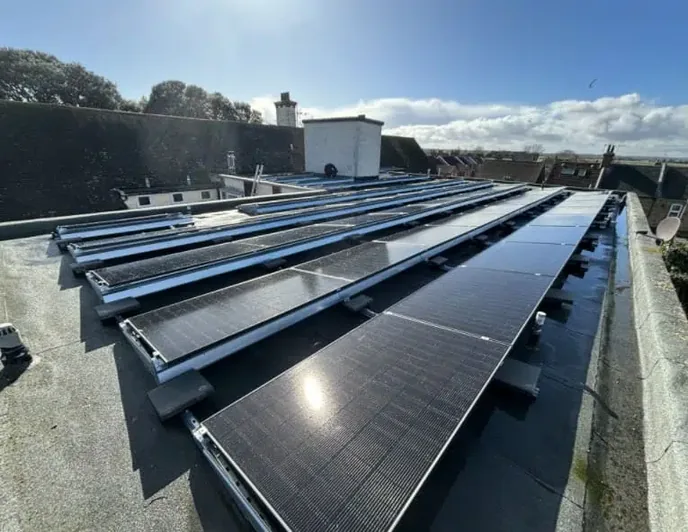
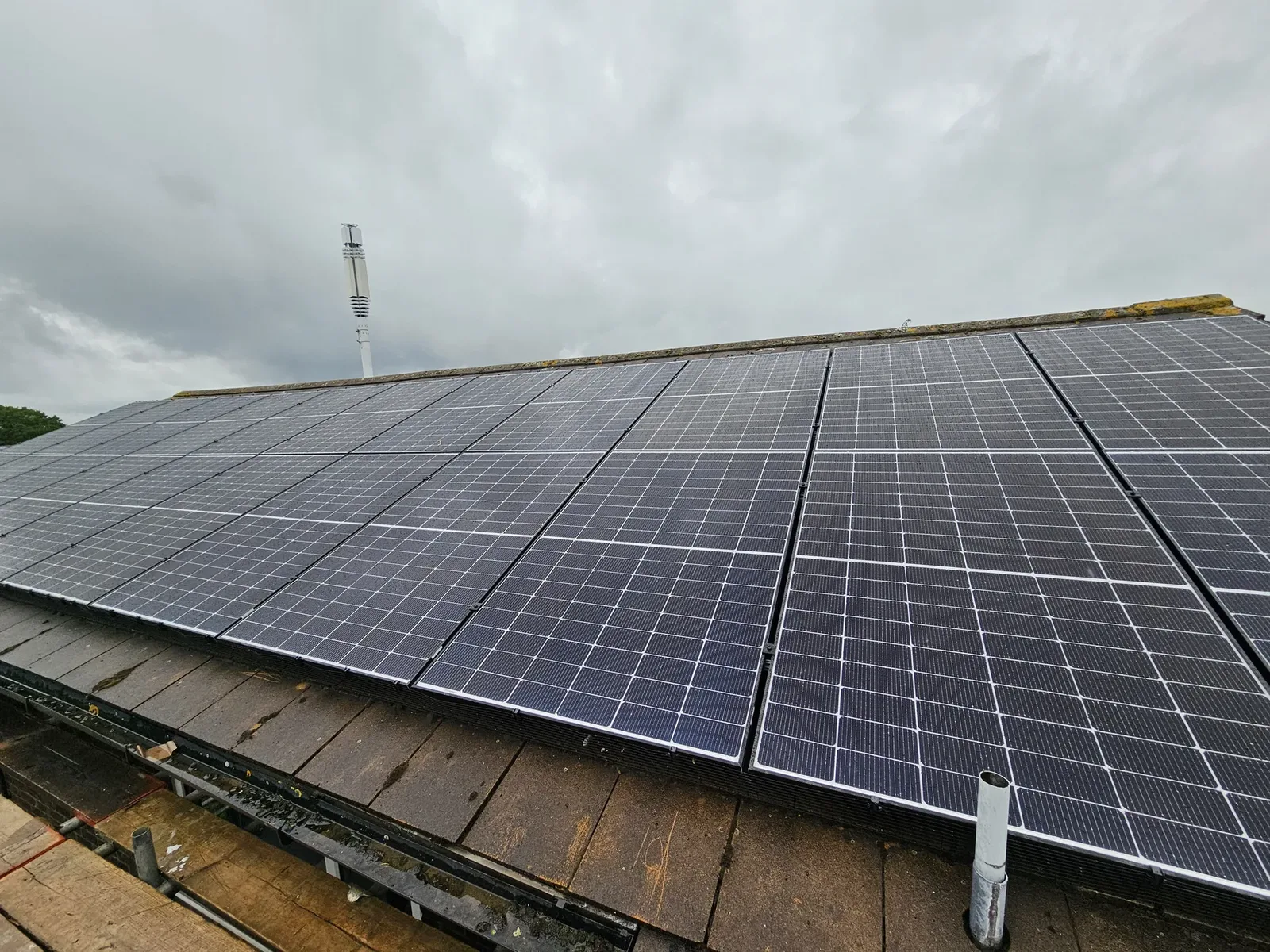
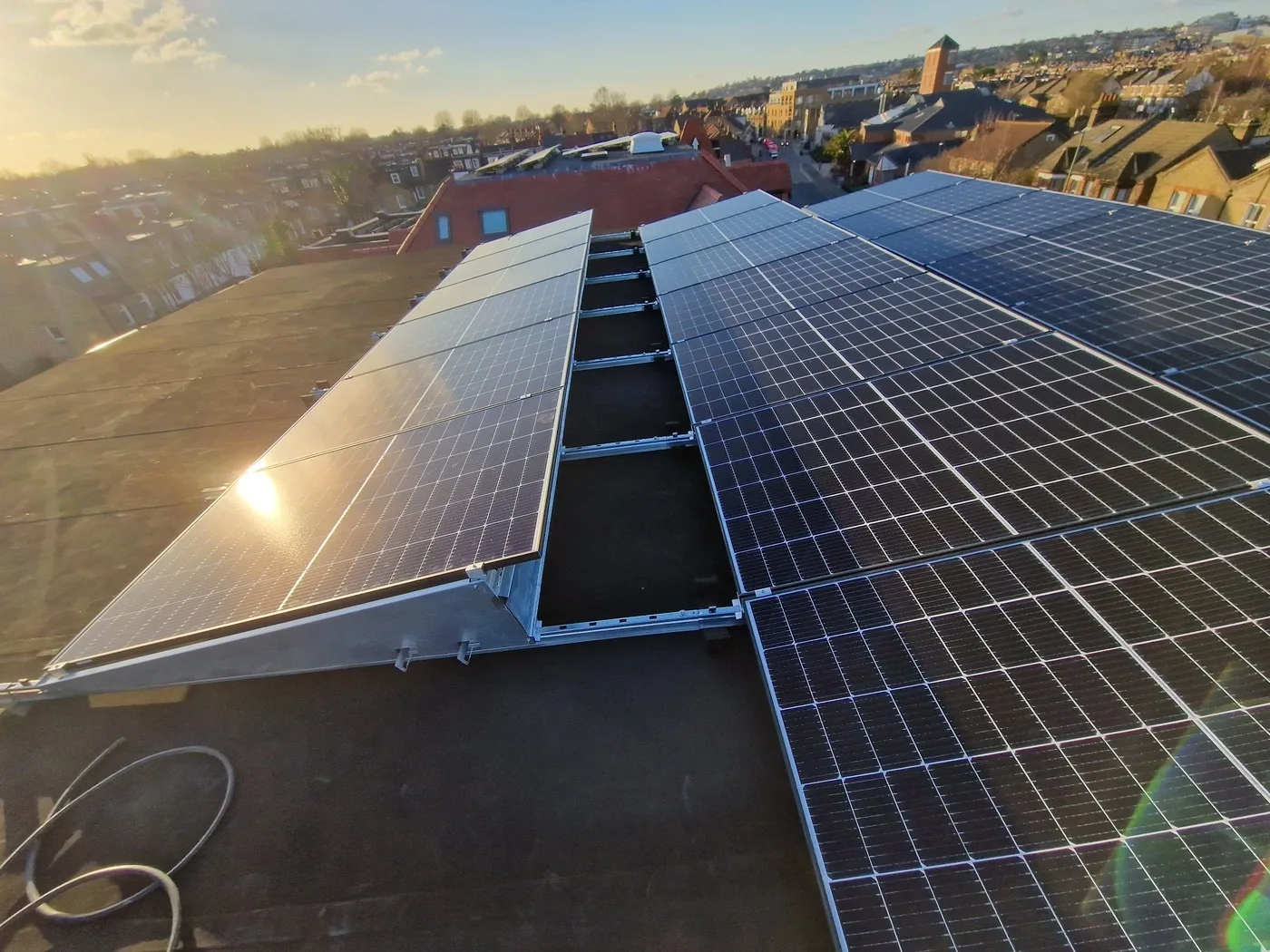
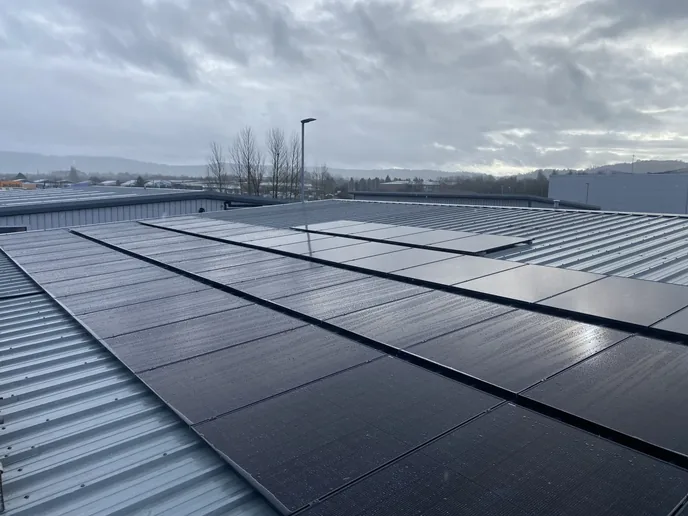
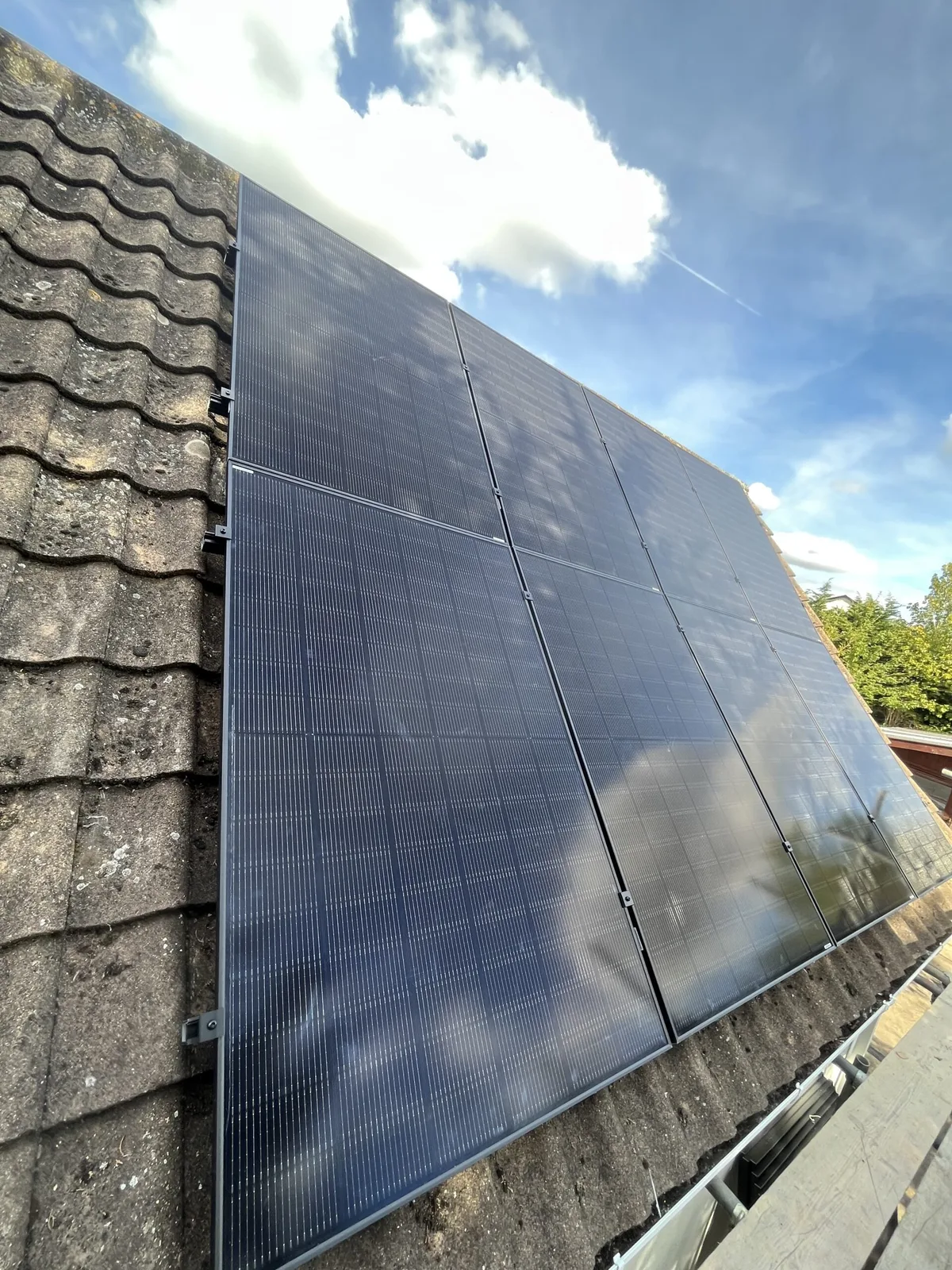
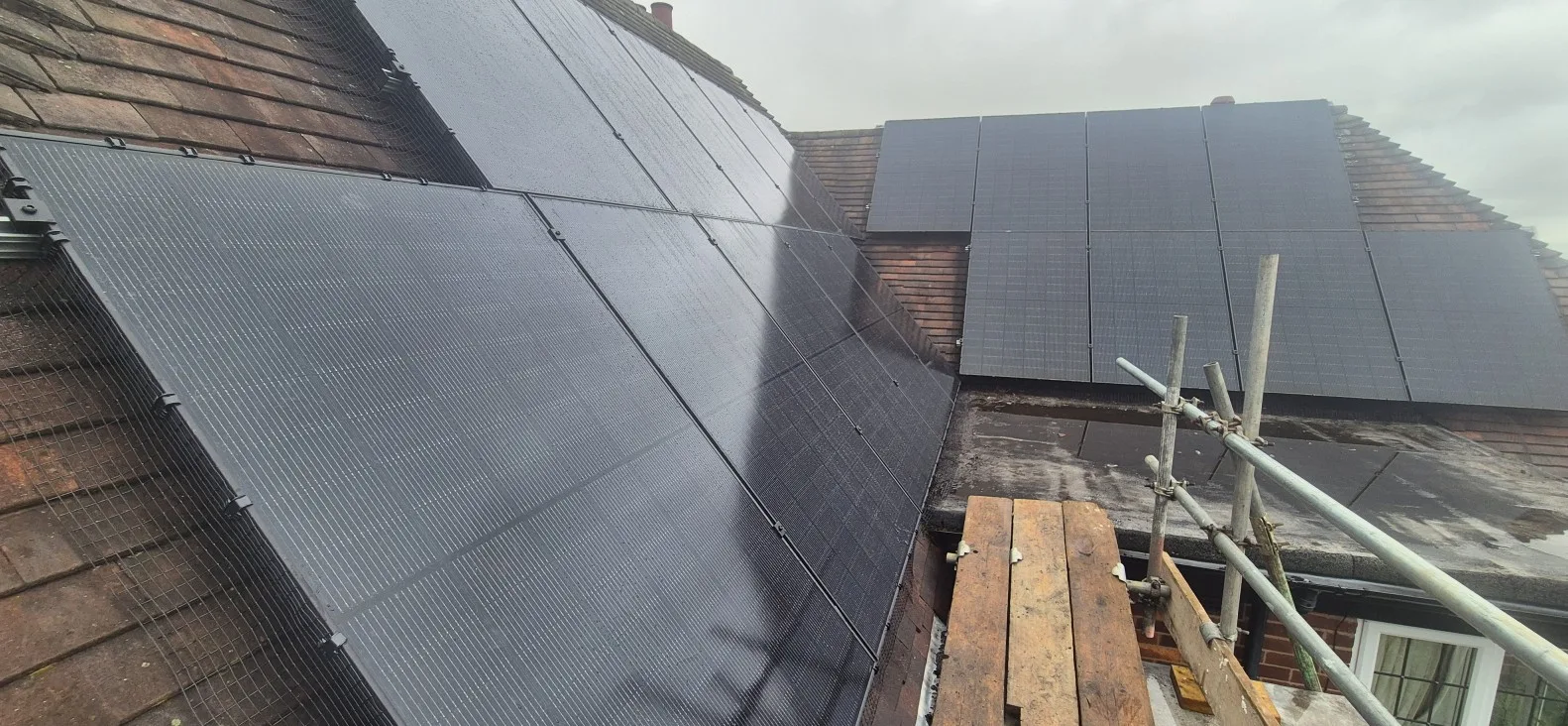
We started with how much power the property actually pulled, then sized the system to bite into that load instead of just ticking a box. It came to 49 panels at 410W each, a little over 20 kWp in total, laid out to squeeze as much usable generation out of the roof as it would give. We ran the whole thing end to end, from site visit and design through to install and commissioning.
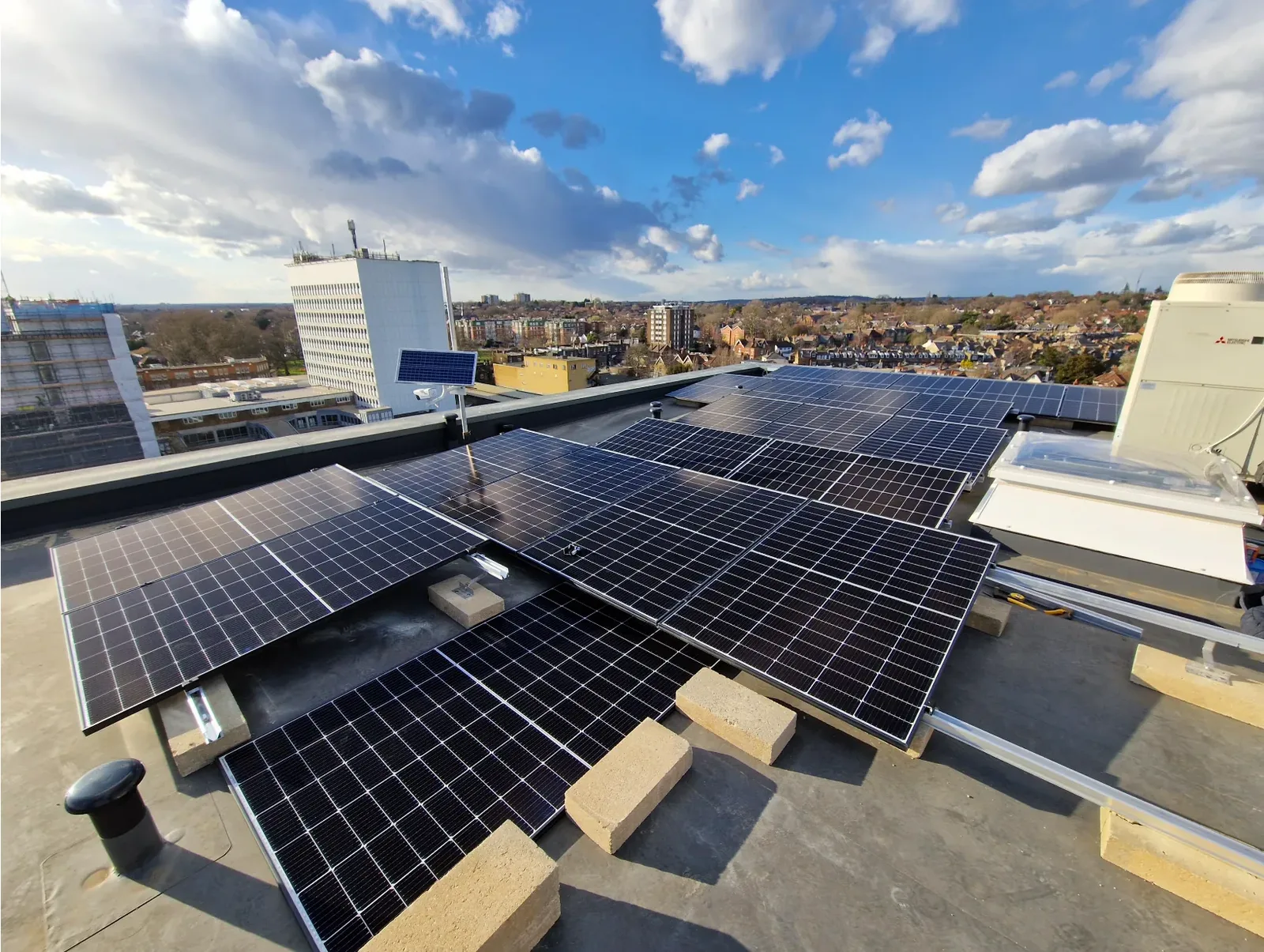
- 49 × 410W panels (20.09 kWp total), sized to the building, not a template
- Matched to a property with heavy grid consumption
- Whole job run end to end, site visit, design, install and commissioning
- Built to cut the grid bill, not just trim it
The bill, down by more than three quarters
The property's electricity bill dropped by 78%. The building now runs largely on power from its own roof instead of buying it at grid rates. On a real estate P&L that saving lands straight on the bottom line, and it keeps landing there year after year. Over the system’s 25-year life that is roughly £75,000 to £100,000, on an install that typically pays for itself in five to six years.
Generation and saving figures on this page are estimates, modelled from the system size and a typical UK yield. They are not meter readings. Your own figures depend on your roof, your usage and the weather in any given year, and we confirm them from a real assessment rather than a model.