








A business that runs on power, and pays for it
A floral business that keeps its premises lit, cooled and running six days a week. Keeping it running takes serious, steady electricity, and it was costing around £8,000 a year. As that bill climbed, Windowflowers Ltd wanted more than a smaller invoice, they wanted predictable costs, and a way to reinvest the savings into the business instead of handing them to the grid.
£8,000 a year, straight out of the business
Every pound going to grid electricity was a pound not going into the business. For an operation watching its margins, a £8,000 annual energy bill was the line that kept climbing and never worked harder for them. The question wasn’t whether to act, it was how to cut it without disrupting the day‑to‑day running of the place.
A 32.8 kW system, sized to the load
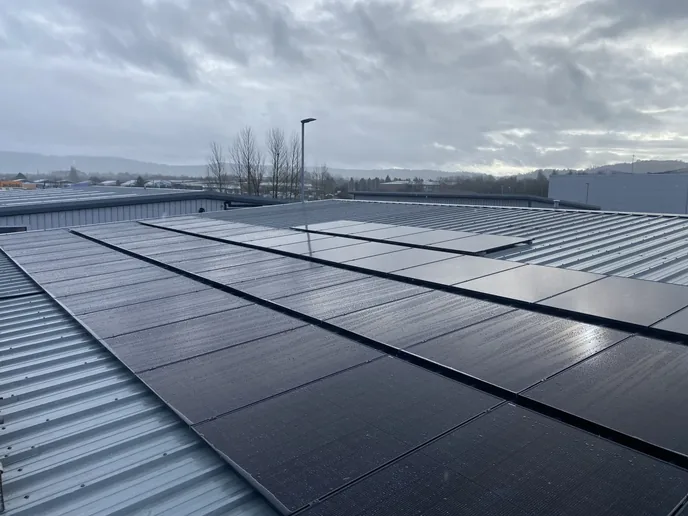
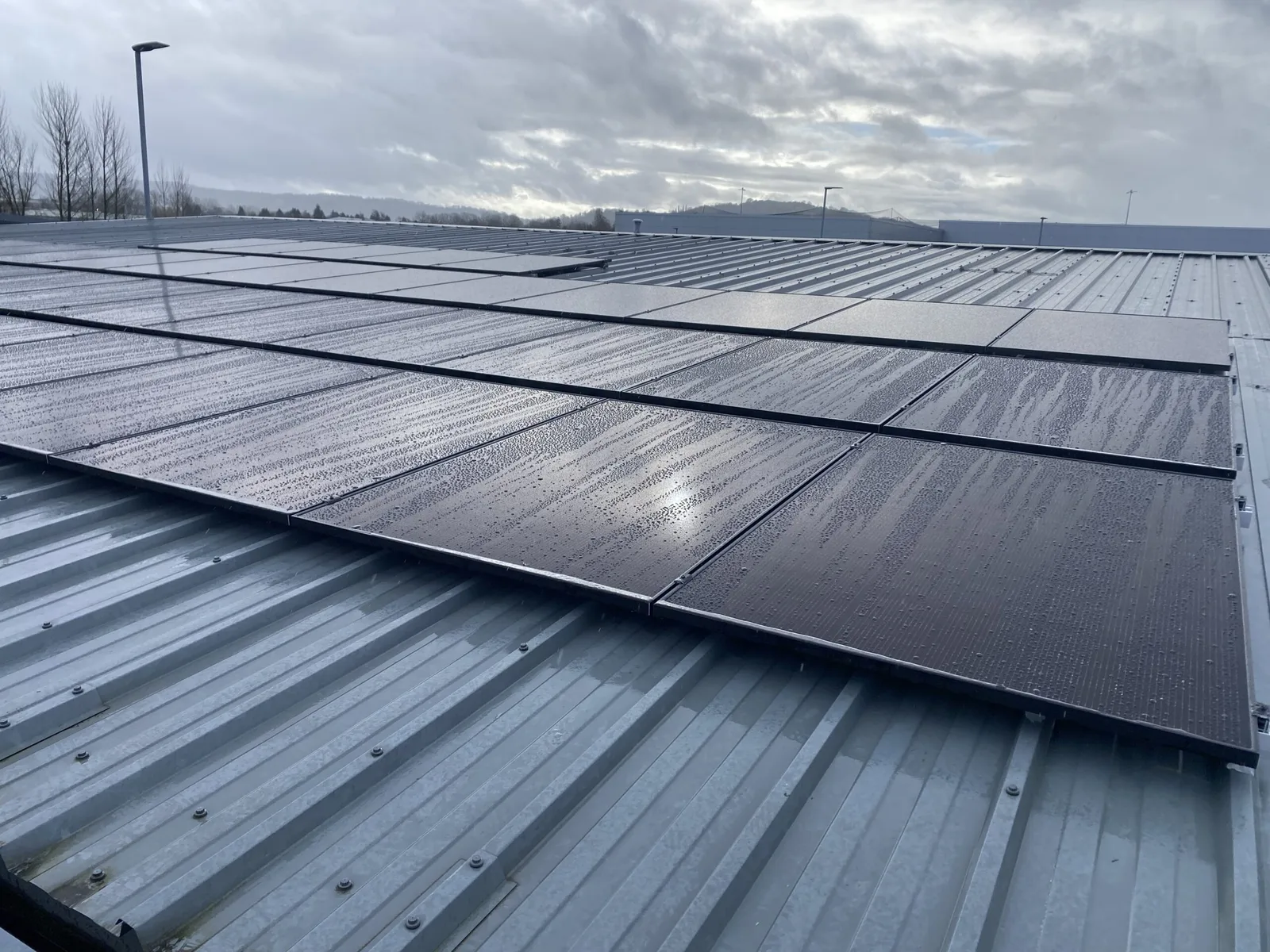
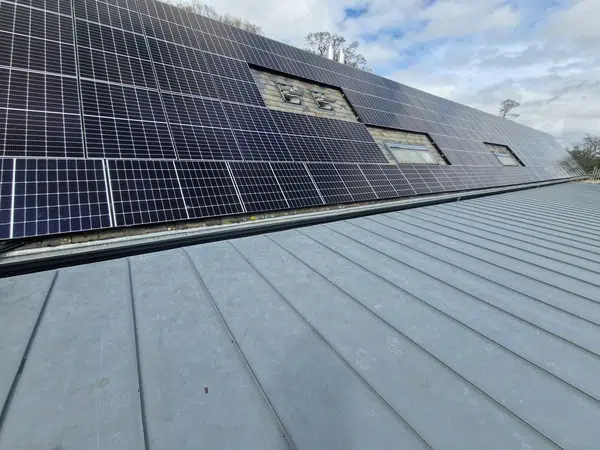
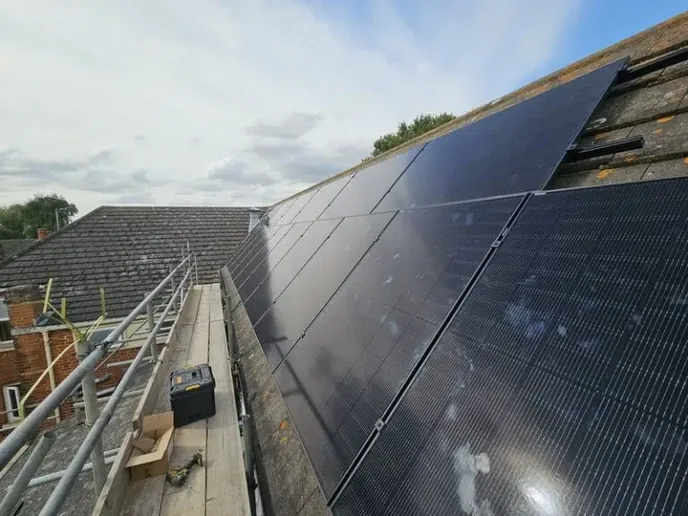
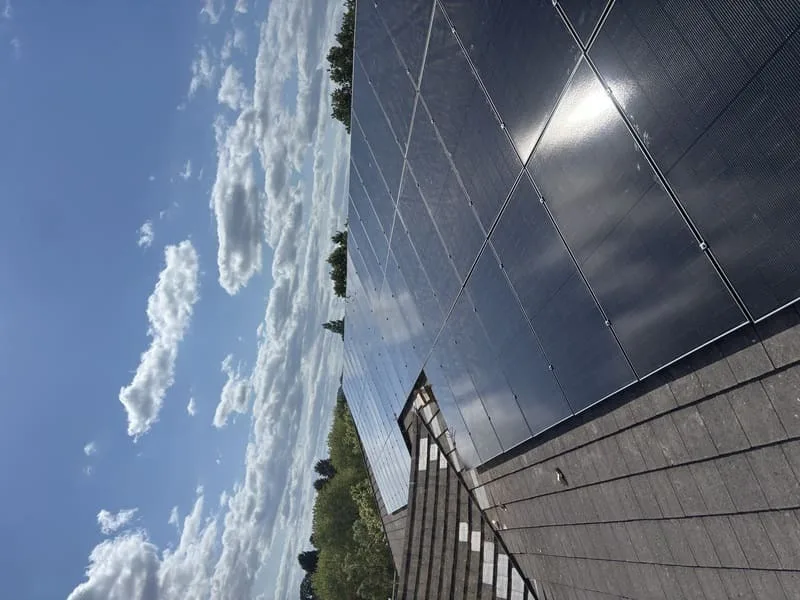
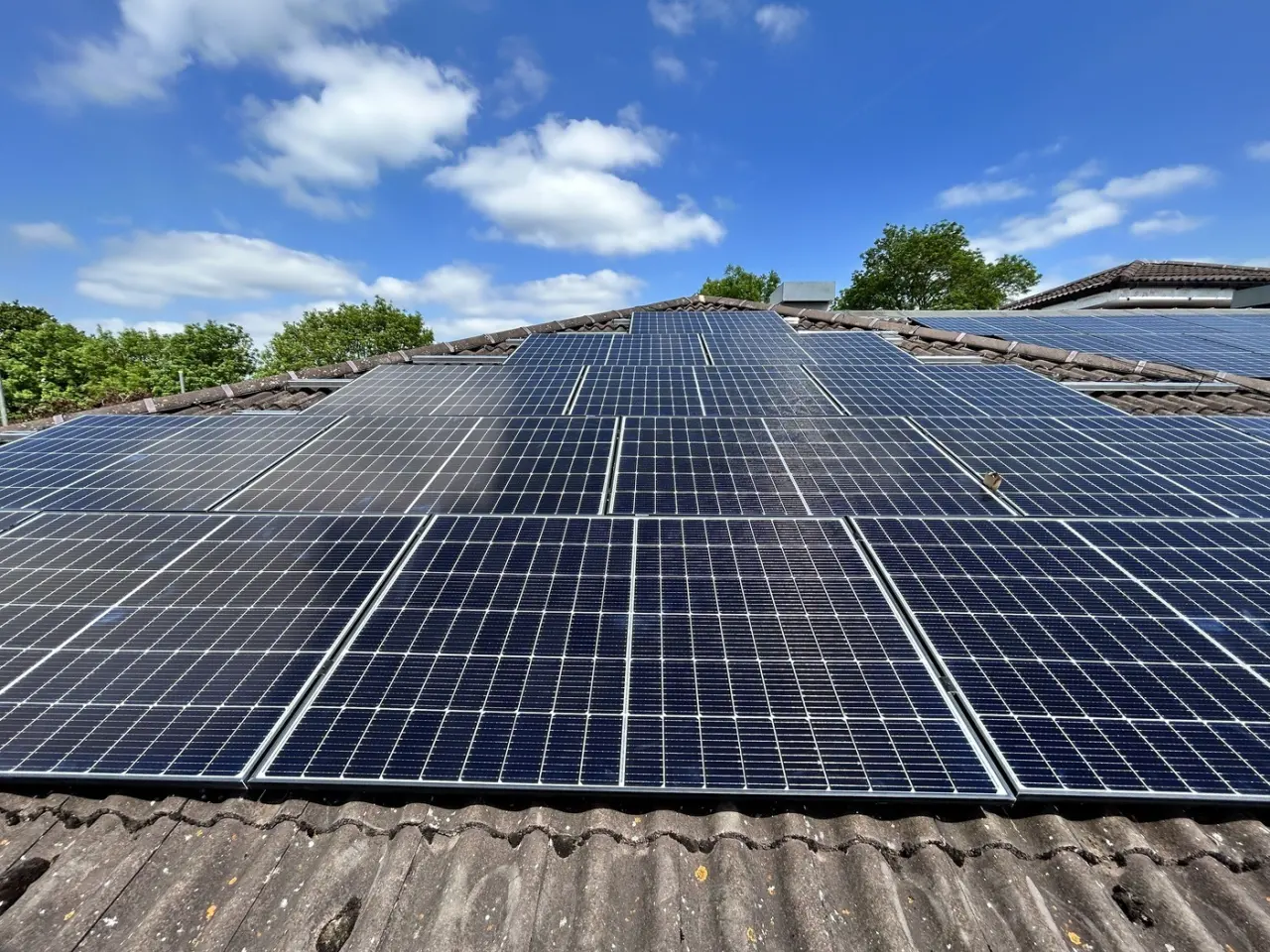
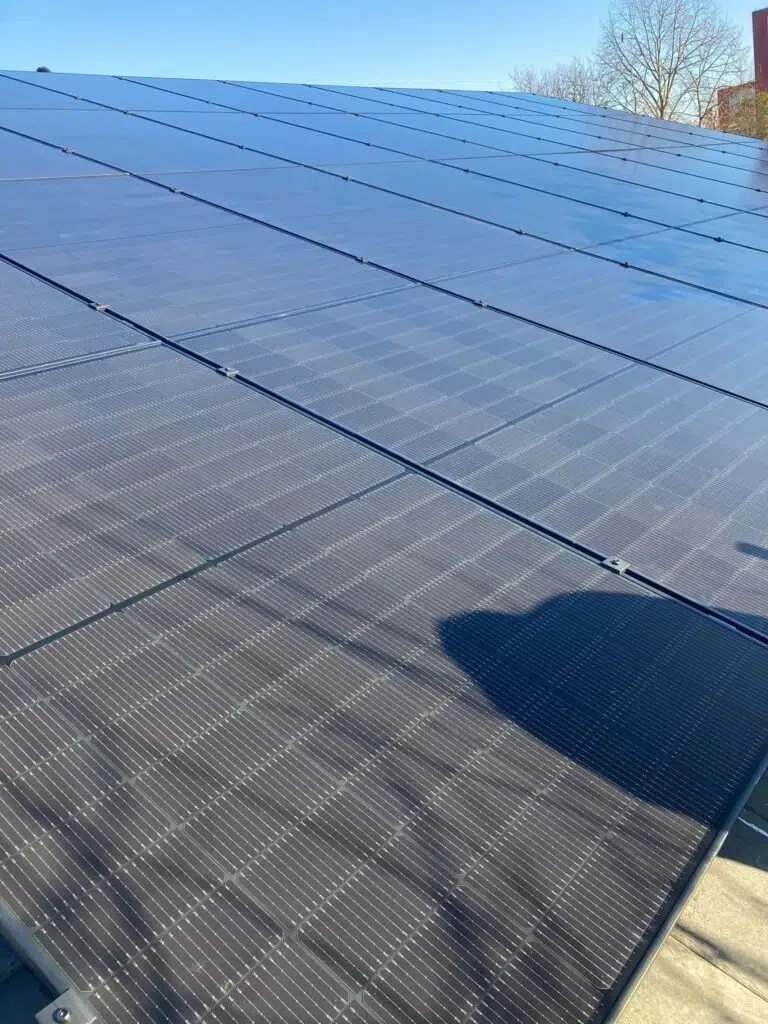
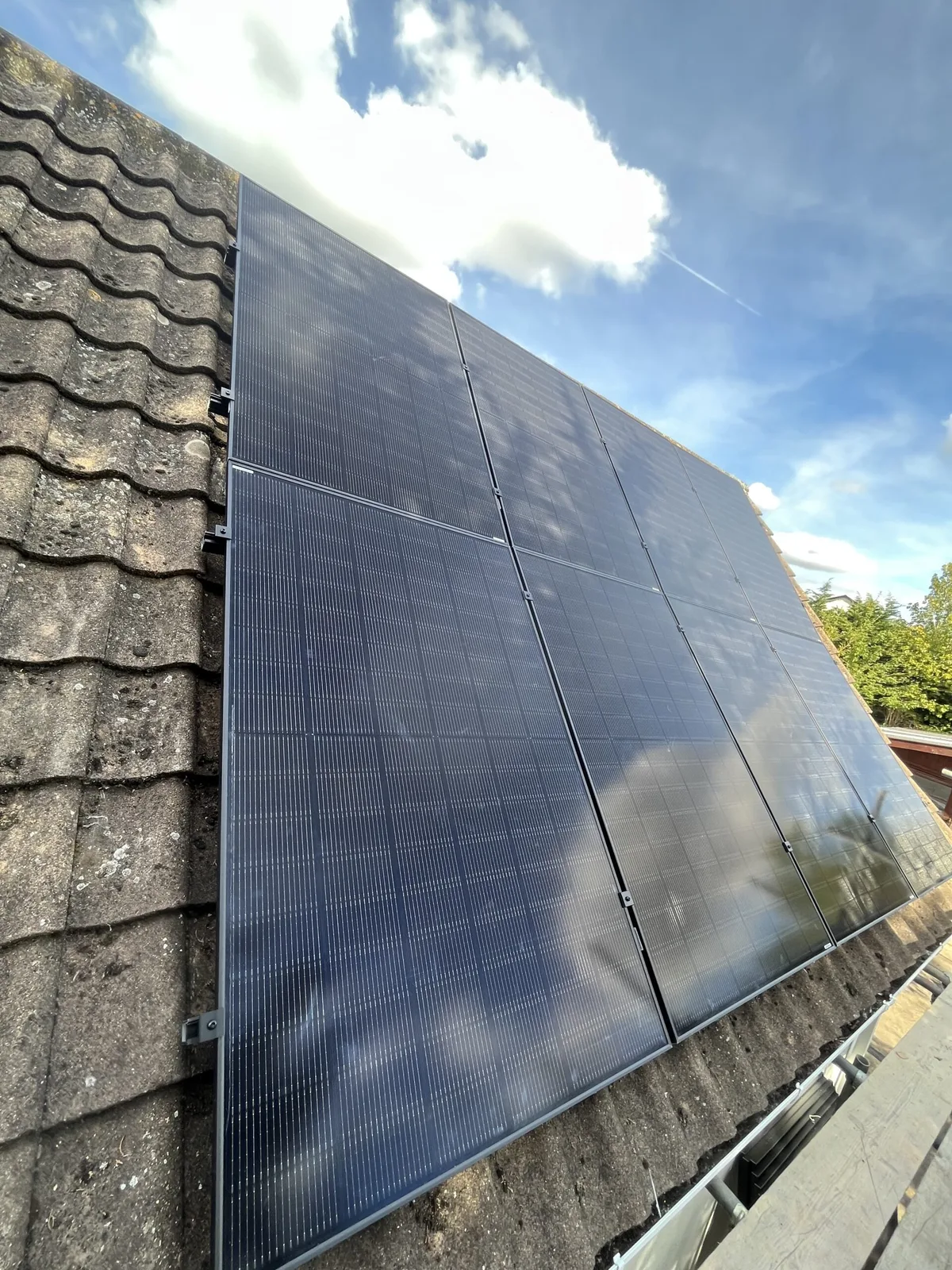
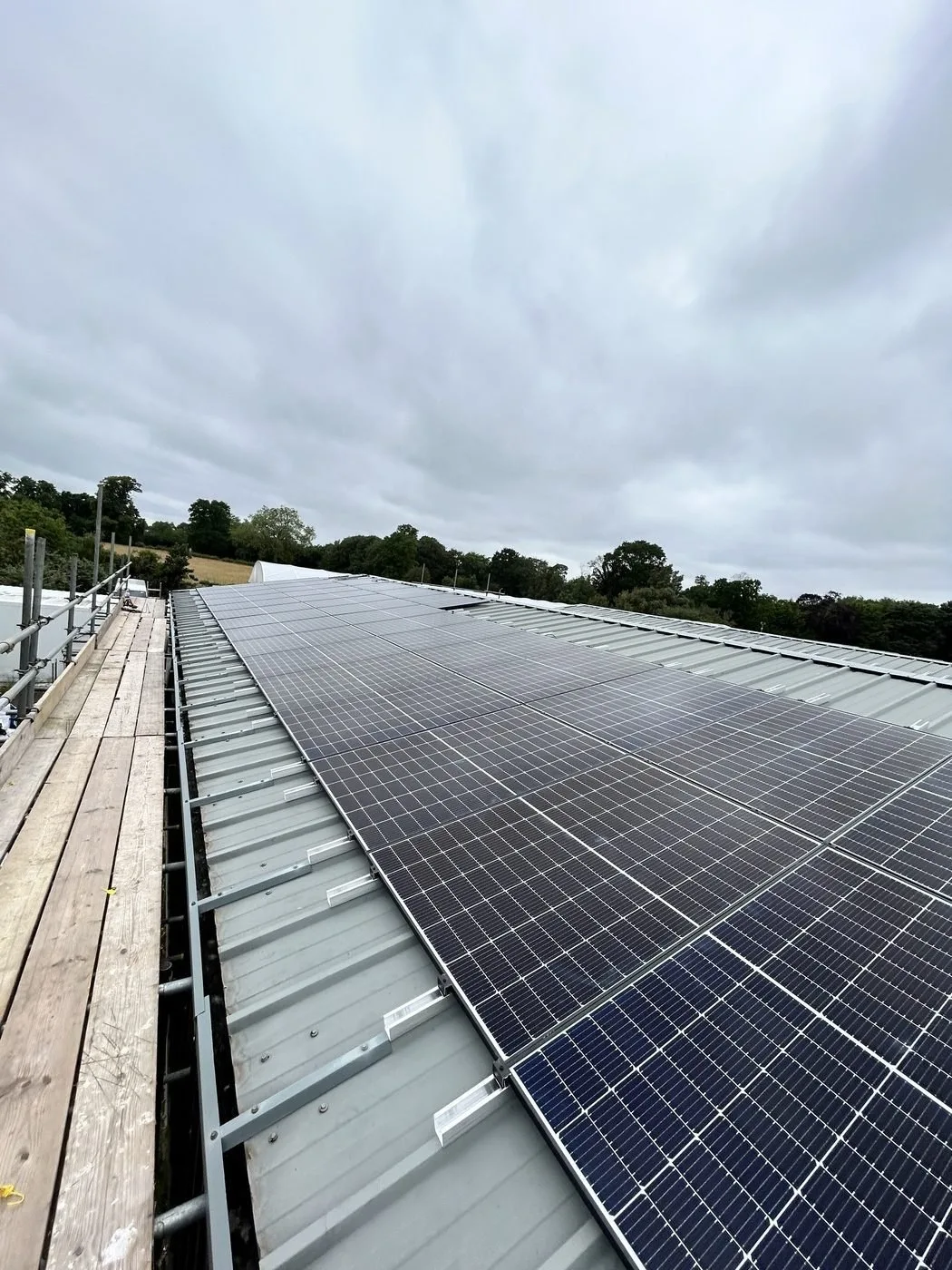
We designed a 32.8 kW rooftop system, around 77 panels, matched to how Windowflowers Ltd actually uses power through the day. Solar4Good ran the whole job end to end, from site visit and design through to install and commissioning, and scheduled it around the business so trading was never disrupted.
- ~77 panels (32.8 kW total), sized to daytime demand
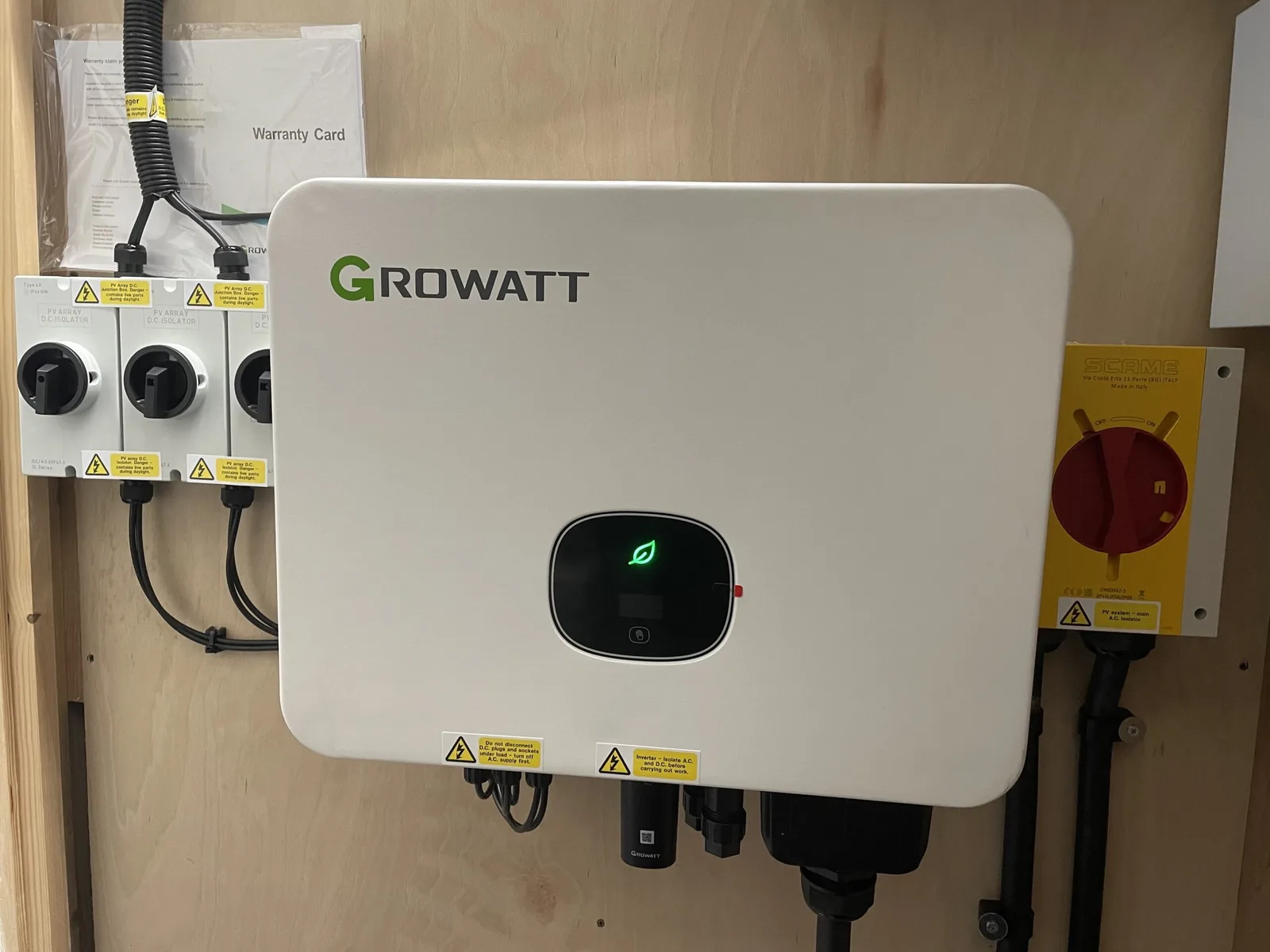
- Commercial inverter + monitoring
- Designed to generate in the same hours the business runs
- Installed around live trading with zero disruption, future‑proofed for battery
From £8,000 to £2,720, a year
Windowflowers Ltd’s electricity bill fell from around £8,000 to roughly £2,720 a year, £5,280 back in the business, every year, about a 66% cut. The system generates an estimated ~29,500 kWh a year and avoids around 6.1 tonnes of CO₂ annually (both estimated from the 32.8 kW system size and UK yield). Over the system’s 25-year life that is roughly £123,000 to £164,000, on an install that typically pays for itself in five to six years.
Generation and saving figures on this page are estimates, modelled from the system size and a typical UK yield. They are not meter readings. Your own figures depend on your roof, your usage and the weather in any given year, and we confirm them from a real assessment rather than a model.